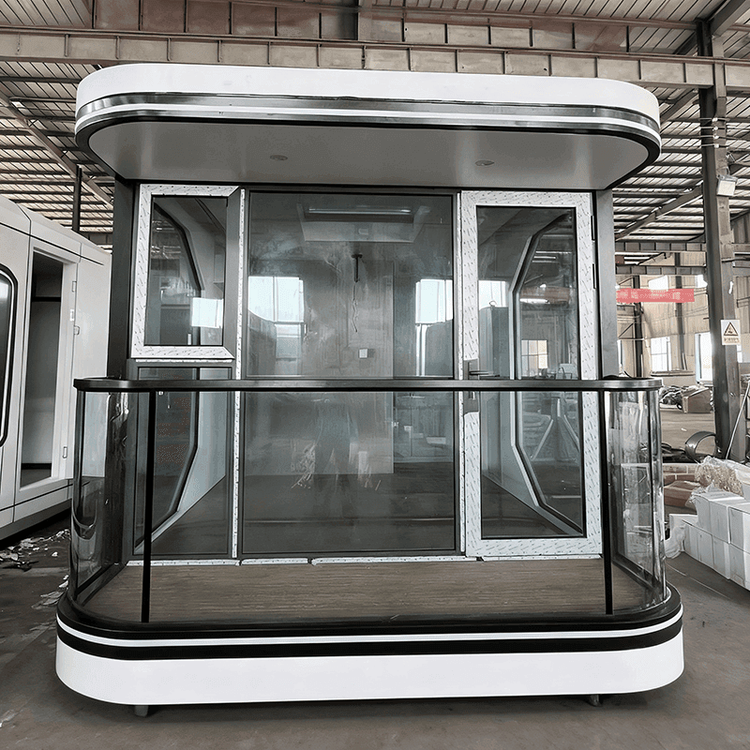
Prefabricated One-Story Villa
Prefabricated one-story villas are applied in rural areas and offer a variety of styles and price options.

In terms of construction speed: Prefabricated houses have significant advantages. Taking the cement 'prefabricated houses' that have emerged in rural areas of Henan as an example, they can be built extremely quickly, with a villa being completed in just four hours. This rapid construction feature makes prefabricated one-story villas highly suitable for scenarios in rural areas where there are high requirements for housing construction time, such as urgent housing needs or the desire to complete housing construction within a short period to meet specific demands.
In terms of design styles and prices: There are various design options available for one-story self-built rural villas. The new Asian modern style starts at 130,000 yuan for the main unfinished structure. This style combines modern and traditional elements, offering both a sense of fashion and stability, and can meet the needs of different people regarding the appearance and living atmosphere of the house. Meanwhile, in 2026, there are also 28 models of one-story self-built villas starting at 120,000 yuan for construction. Although it is not explicitly stated whether these designs are prefabricated, they provide rich design references for prefabricated one-story villas. This indicates that when building one-story villas in rural areas, whether choosing prefabricated or traditional construction methods, there are relatively diverse design styles to choose from, and the prices are relatively affordable, able to adapt to rural families with different economic levels.
In terms of applicability: Prefabricated one-story villas have high applicability in rural areas. Rural areas have relatively abundant land resources, and one-story villas can make full use of the land space while meeting various functional needs such as living and leisure. Moreover, the construction method of prefabricated houses can to a certain extent ensure the quality and stability of the house, reducing some quality issues that may occur during traditional construction processes. In addition, their relatively low construction costs make them more affordable for more rural families, providing a viable option for improving rural living conditions.