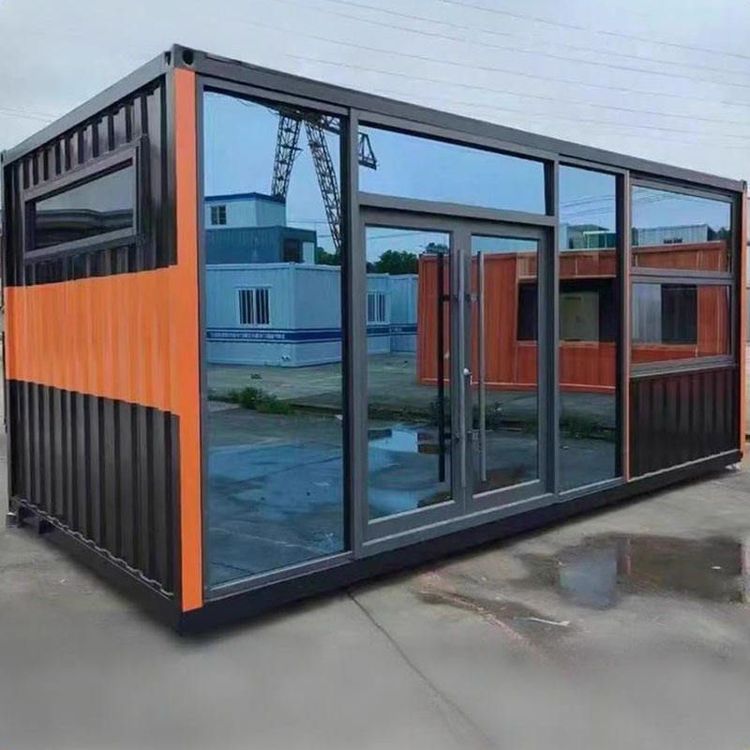
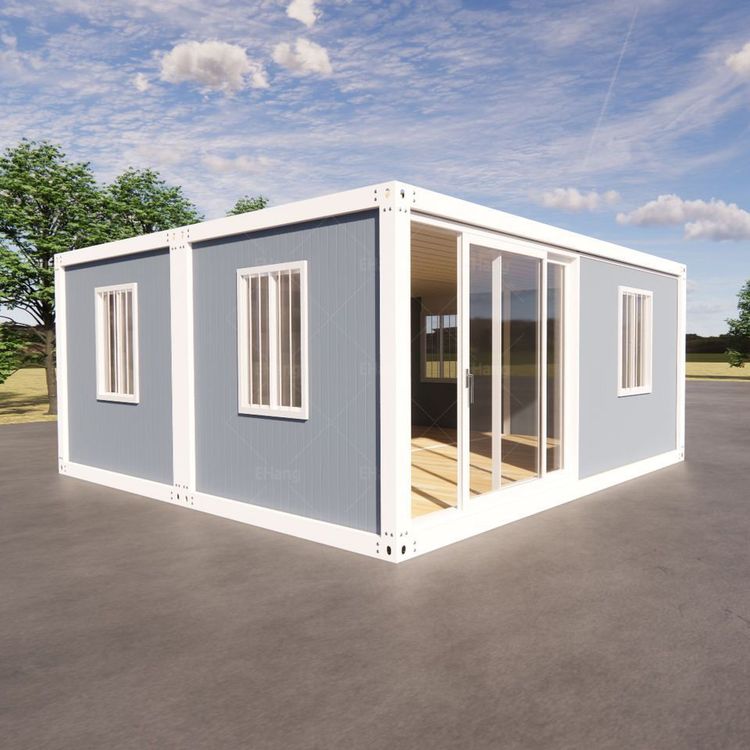
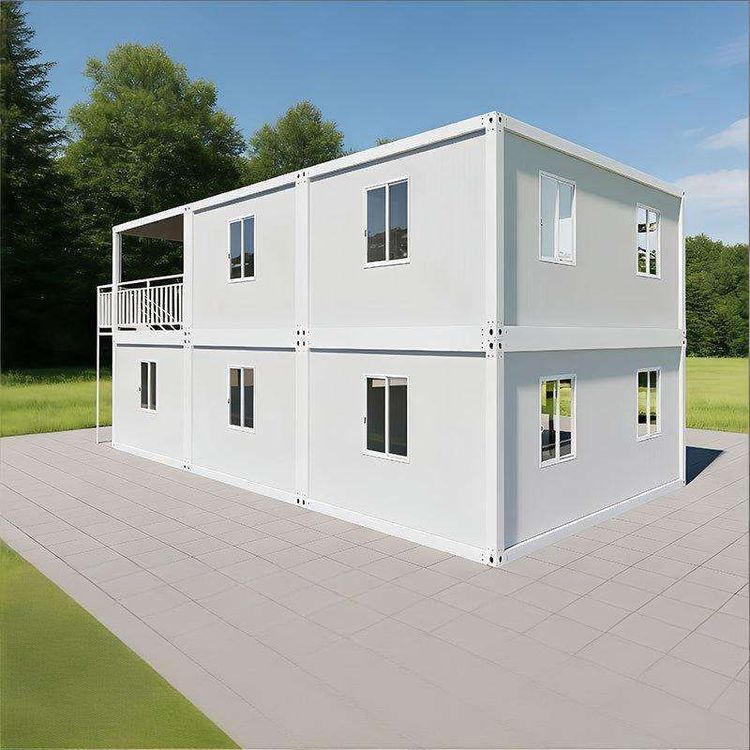
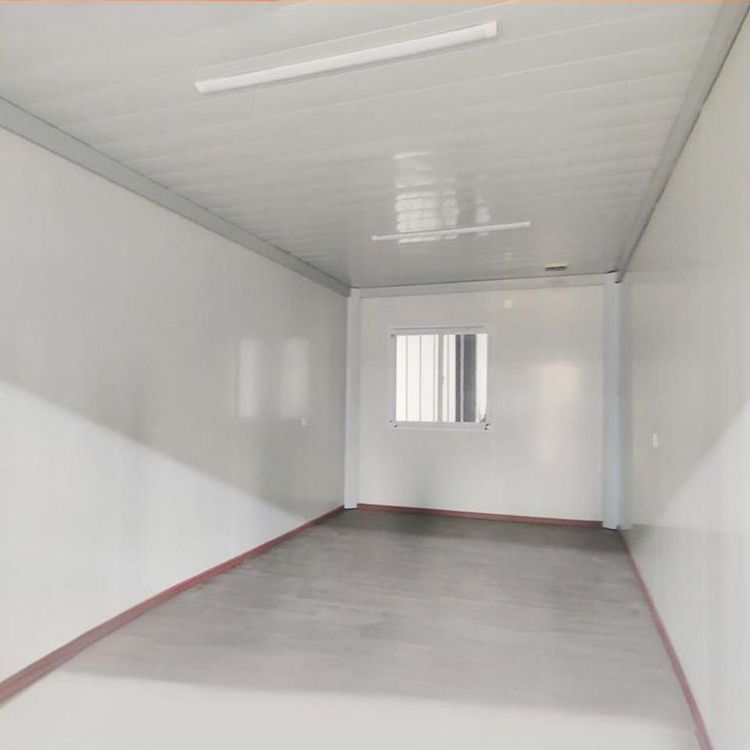
Prefabricated Modular Housing for Families
Prefabricated modular housing for families is residential construction that utilizes modular or prefabricated assembly techniques, with components manufactured in factories and assembled on-site. This approach offers efficiency, high quality, environmental friendliness, and safety, and is being promoted by policies to expand into multiple fields.

1. Significantly Improved Construction Efficiency
Prefabricated modular housing combines industrial production with on-site assembly, greatly shortening construction periods. For example, in a rural South Korean case, the main structure was erected in just 14 days. In a Shenzhen public housing project in China, 6,028 modules were assembled, reducing the construction time from 2.5-3 years to 1 year, an efficiency increase of 50%-60%. Factory-prefabricated components can be produced concurrently, reducing reliance on on-site construction, making them particularly suitable for emergency housing needs or large-scale construction projects.
2. Precise and Reliable Quality Control
Factories employ automated production lines with millimeter-level precision control, and each component is equipped with an 'ID card' to record production information, enabling full traceability. For instance, the China State Construction Haolong Industrial Park delivers 20,000-30,000 modules annually through welding robots and intelligent management, minimizing human error. Components are produced in constant temperature and humidity environments, avoiding quality issues caused by weather or technical differences in traditional construction, resulting in higher overall structural stability.
3. Outstanding Environmental Benefits
On-site operations reduce construction waste by approximately 80%, significantly lowering dust and noise pollution. After application in a Fujian industrial base, construction waste was reduced by over 70%. The Shenzhen project minimized on-site disturbances through factory pre-assembly. Modular buildings also enable material recycling; for example, steel modules can be recycled and reprocessed after demolition, aligning with green building trends.
4. Structural Safety Meets Standards
Modules are connected using mortise-and-tenon joints, bolts, and foam sealant, with foundation piles secured by base plates and expansion screws to ensure overall stability. Modular buildings in China must comply with seismic design standards. For example, the Beijing public housing project adopted concrete modular technology and passed rigorous testing to verify its disaster resilience. Additionally, the uniform standards of factory-prefabricated components further enhance structural safety.
5. Continuously Expanding Application Scenarios
Prefabricated assembly technology has expanded from residential buildings to schools, hospitals, and other fields. At the policy level, cities like Guangzhou, Shenzhen, and Beijing require new projects to have a modular building ratio of no less than 15%-30% and have issued technical standards to regulate development. In 2026, exports of modular housing from the Guangzhou Customs district increased by 38.1% year-on-year, and Beijing completed its first concrete modular public housing hoisting, indicating growing market acceptance and policy support.
Technical Pathways and Representative Enterprises: These include concrete modularization, steel modularization, etc. Companies like Vanke Group have developed prefabricated shear wall residential systems, driving technological upgrades in the industry.