
Back to blog
Article
Prefabricated Mobile Home Homestay
Admin September 19, 2026
Prefabricated mobile home homestays adopt integrated or modular prefabricated building forms, featuring short construction periods and relocatability. They are suitable for mobile homestay projects on compliant land, but strict land approval procedures must be followed, and compliance with land use and business licenses must be distinguished.
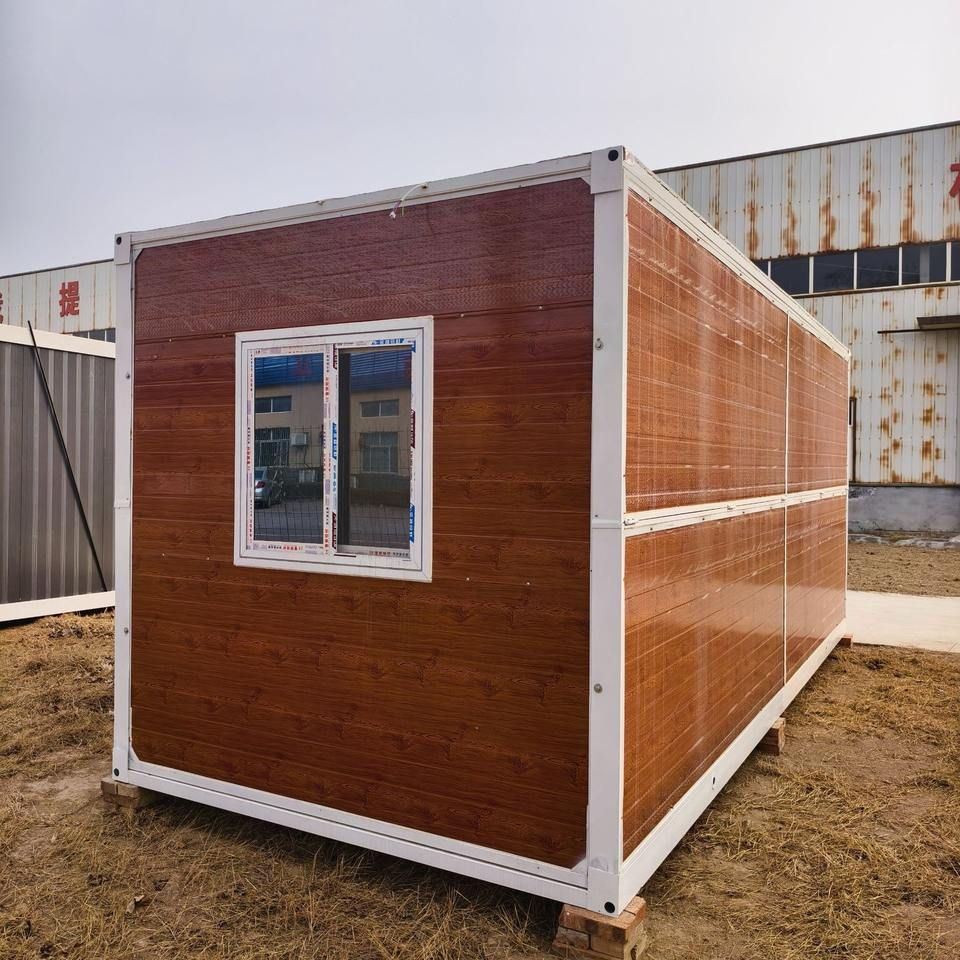
Types and Characteristics
Prefabricated mobile home homestays encompass various types:
- Integrated Prefabricated Houses: Presented in the form of mobile homestays, their core advantages include no land hardening, short construction periods, and the ability to be relocated as a whole. However, they must be placed on compliant land; otherwise, they may be rectified due to non-compliance with land nature.
- Modular Integrated Houses: These include color-steel houses, light-steel villas, and anti-corrosion wooden houses, suitable for scenic spots, agritainment venues, courtyards, and other settings. Some products integrate water, electricity, kitchen, bathroom, and soft furnishings, enabling "move-in ready" accommodation.
- Export-Oriented Modular Buildings: Designed for overseas markets, the main structures are manufactured in factories, and only hoisting and assembly are required overseas, complying with local building safety standards. They are suitable for long-term living scenarios (such as European apartments and supporting housing for Antarctic research stations).
Key Points for Land Approval
The compliance of land use for mobile homestays is crucial for project implementation:
- Land Nature Verification: It is necessary to confirm the planned land use and land type through the county natural resources department or township natural resources office to avoid misusing facility agricultural land, forest land, or cultivated land.
- Ecological Protection Red Lines: Check whether the land plot overlaps with the "three zones and three lines" (ecological protection red lines, permanent basic farmland, and urban development boundaries) or叠加保护区 (superimposed protected areas, such as nature reserves and scenic spots).
- Common Misconceptions to Avoid:
- Misconception that "mobile = no need for land approval"; in fact, the land nature remains unchanged.
- Confusing land use compliance with business licenses; both must be obtained separately.
- Relying solely on contracts to confirm legality while ignoring administrative approval procedures.
Market Situation
The market for prefabricated mobile home homestays shows a diversified trend:
- Domestic Products: These include innovative forms such as space capsules and container mobile homes. Prices, delivery times, and services vary among suppliers and are suitable for scenic campsites, courtyards, and other settings.
- Overseas Markets: Chinese prefabricated houses are exported to more than 150 countries and regions, with applications including high-rise apartments, scenic homestays, and temporary dormitories. The high repurchase rate reflects international market recognition.



