
Back to blog
Article
Advantages and Disadvantages of Prefabricated Integrated Housing
Admin September 19, 2026
The advantages and disadvantages of prefabricated integrated housing are as follows:
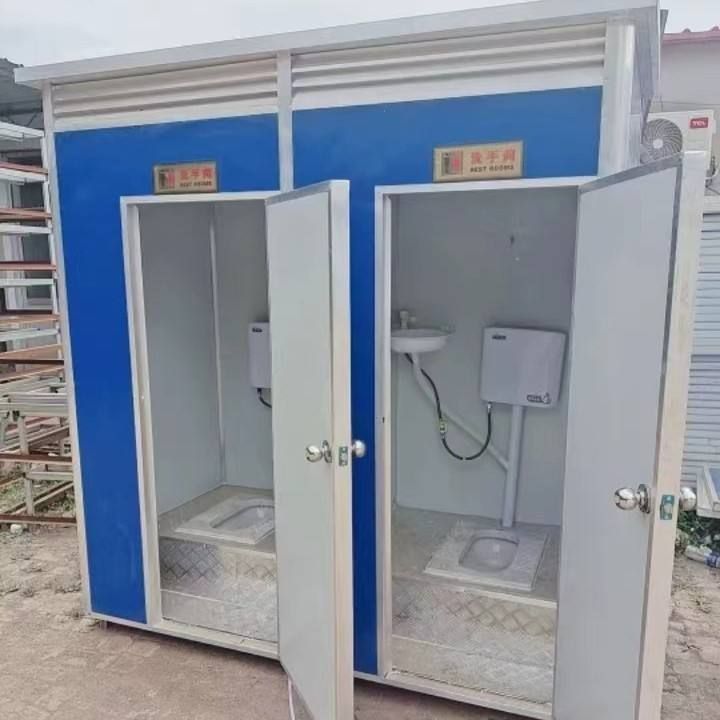
Advantages:
- Rapid Construction, Shortened Project Duration: Factory-prefabricated components enable efficient on-site assembly, reducing construction time by 50%-70% compared to traditional buildings. The main structure can be assembled in as little as two hours, with a 100-square-meter residence completed in 1-2 months.
- Cost Control: Optimized material and labor costs. The cost of ordinary prefabricated houses ranges from 1000 to 3000 yuan per square meter. Mass production reduces material costs by 20%-40% and labor costs by approximately 60%.
- Environmental Protection and Energy Efficiency: Reduced on-site pollution, with the use of recyclable materials cutting construction waste by 80% and achieving a material recycling rate exceeding 90%. Some high-end models integrate solar and intelligent energy-saving systems, reducing concrete waste by 36%.
- Flexibility and Portability: Modular design supports customized layouts and can be disassembled and reassembled, making it suitable for frequent relocation scenarios.
- Quality Control: Factory-standardized production enhances component precision, increasing concrete strength. Seismic resistance passes seven-degree earthquake tests and can reach eight-degree standards with monolithic pouring techniques, extending the service life to 70 years.
- Stable and Durable Structure: Reinforced concrete integrated structures offer strong resistance to earthquakes, storms, and other disasters.
- Excellent Sound and Thermal Insulation: Dense cement walls provide good insulation, with some high-end models further optimizing performance through sandwich designs.
- High Construction Efficiency: Industrialized production supports rapid deployment in emergency scenarios, such as disaster relief temporary housing.
Disadvantages:
- Inconsistent Disaster Resistance: Early prefabricated houses had poor joint sealing, making them vulnerable to earthquakes and floods.
- Inadequate Sound and Thermal Insulation: Early models had poor sound insulation, with a 20-decibel difference, requiring reliance on air conditioning for temperature control.
- Limited Appearance and Functionality: Early designs were rigid, with房型 (room layouts) lacking humanization, such as small living rooms without windows and damp kitchens and bathrooms.
- Water Seepage Issues: Jointed structures are prone to water seepage, affecting durability.
- High Cost of Monolithic Concrete Houses: Long construction periods and high material costs, along with significant carbon emissions during construction.
- Long Structural Safety Verification Period: Module joints require special sealant treatment, which may extend testing time due to potential embrittlement and cracking.
- Maintenance Chain Reactions: A single module failure may require complete replacement, with annual maintenance costs increasing by 1500-3000 yuan after 20 years.
Related
You may also like

30Oct
Portable Toilet Rental for Construction Sites: What to Consider
Read More
30Oct
Portable Toilet Rental Price Guide: Budget, Mid-Range & Premium
Read More
30Oct
Portable Toilet Color Steel: A Practical Buyer's Guide
Read More
30Oct