Images of Prefabricated Houses with Insulation
Currently, we cannot directly provide images of prefabricated houses with insulation, but we can provide a detailed introduction to their structure and insulation features.

Wall Structure and Insulation
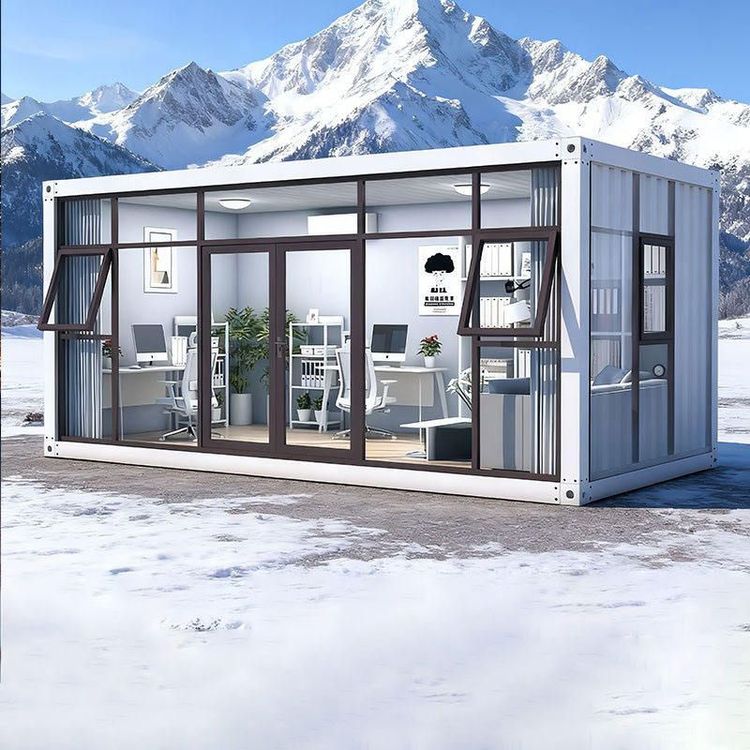
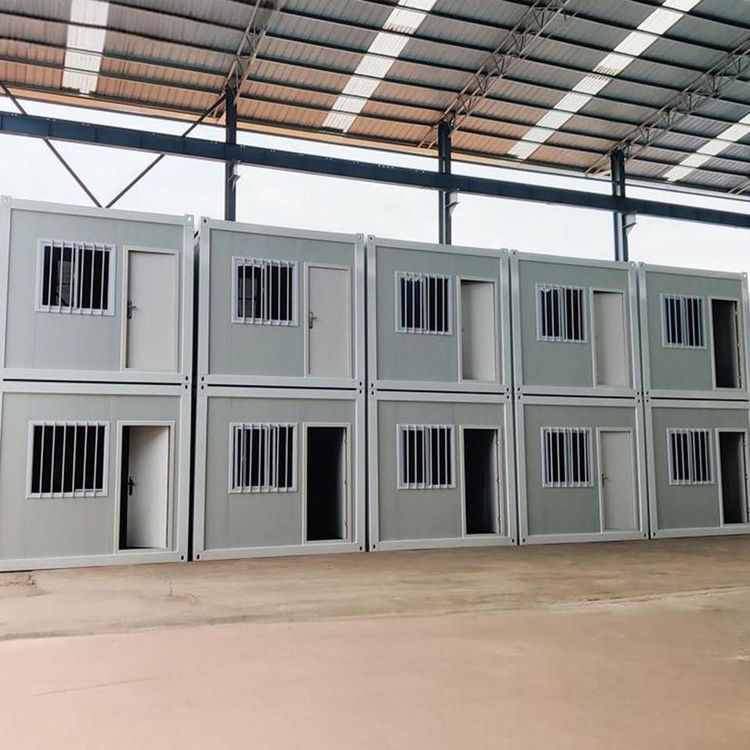
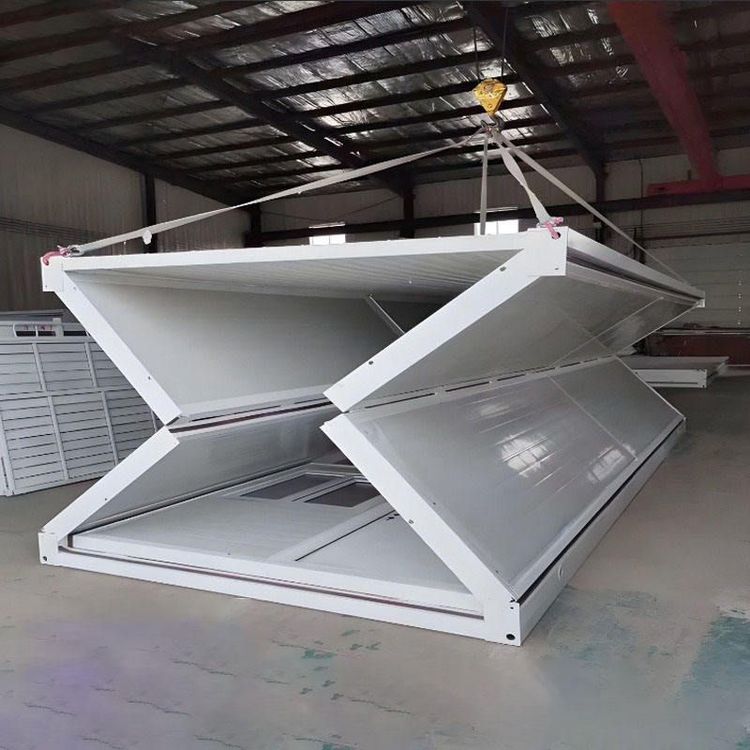
The walls of the prefabricated house are made of wood-grain-patterned metal panels. These metal panels not only have an aesthetically pleasing appearance, capable of simulating the texture and feel of natural wood to meet people's diverse needs for building exteriors, but also possess the durability and robustness characteristic of metal materials, effectively resisting physical impacts from the outside and the effects of harsh weather. Behind the metal panels, there is a layer of foam insulation, which is the key component for achieving the house's insulation function. The foam insulation layer is typically made of materials such as polystyrene and has a low thermal conductivity coefficient, preventing the loss of indoor heat and the intrusion of outdoor cold air, thereby maintaining a relatively stable indoor temperature environment, reducing energy consumption, and enhancing living comfort.
Window Design and Insulation
Windows are one of the weak points in a house's insulation, but the prefabricated house addresses this issue effectively by using double-glazed windows. Double-glazed windows consist of two panes of glass with an air gap in between, which provides excellent thermal insulation. Air is a poor conductor of heat, slowing down the transfer of heat between the indoors and outdoors. Additionally, when closed, double-glazed windows fit tightly, further reducing air leakage and preventing heat loss due to air convection. This design not only improves the house's insulation performance but also effectively reduces interference from external noise, providing residents with a quiet and comfortable living environment.
Overall Insulation Effect
Through the synergistic effect of the foam insulation layer on the walls and the double-glazed windows, the prefabricated house can form a relatively enclosed space with good insulation performance. In winter, it can effectively reduce the loss of indoor heating, lowering heating costs; in summer, it can prevent the intrusion of outdoor high temperatures, reducing the frequency of air conditioning use and achieving the goal of energy conservation and emission reduction. This insulation design enables the prefabricated house to adapt to different climatic conditions, providing residents with a comfortable living experience throughout the year.