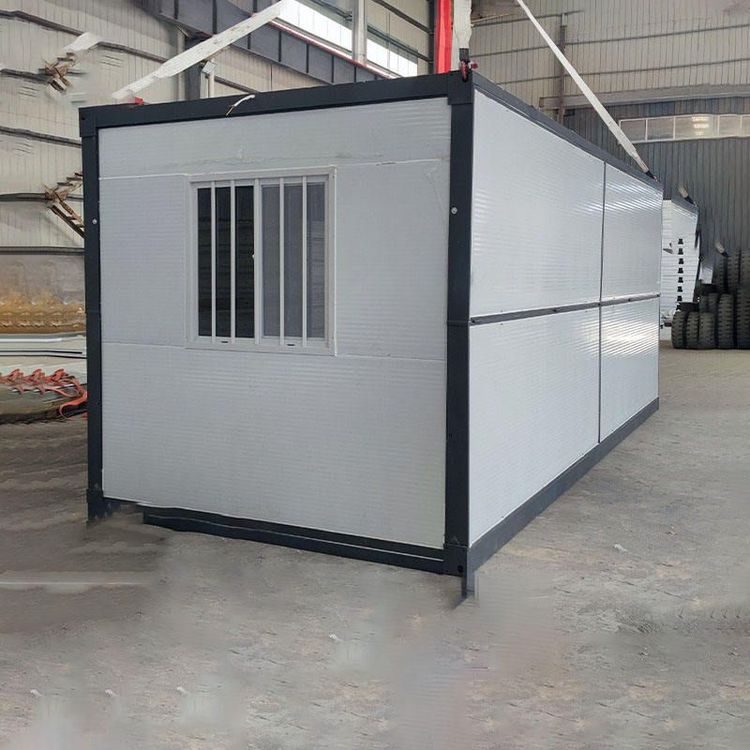
Prefabricated Housing Platform
A prefabricated housing platform is a digital tool that serves the design, production, logistics, construction, and industry information integration of prefabricated housing. It is mainly divided into two types: technology-driven and industry-service-oriented.

The technology-driven platform focuses on improving production efficiency, with a typical example being the RFID-based Hong Kong Prefabricated Housing Construction Information Platform. Developed jointly by the University of Hong Kong, the Hong Kong Polytechnic University, and the Hong Kong Housing Authority, this platform achieves full-process digital management through radio frequency identification (RFID) technology. Its core functions include:
- Production Collaboration Optimization: Utilizing RFID tags to track each stage of prefabricated components from production to installation, supporting real-time data sharing among multiple personnel and departments, reducing communication errors, and enhancing production efficiency.
- Cross-border Logistics Visualization: Achieving supply chain transparency through Internet of Things (IoT) technology to ensure the traceability of the location and status of prefabricated components during cross-border transportation, thereby reducing logistics risks.
- On-site Instant Management: Combining real-time data feedback to construct a Just-in-Time (JIT) production system, enabling construction parties to dynamically adjust work sequences based on the arrival time of components and reduce on-site waiting time. This platform resolves issues such as information silos and logistics delays in traditional prefabricated housing construction through technological integration, providing an efficient construction solution for high-density cities.
The industry-service-oriented platform aims at resource integration and industrial services, with a typical example being China Prefab House Network. As a vertical portal in the prefabricated construction field, its functions cover the entire industrial chain:
- Supply and Demand Matching: Connecting prefabricated housing manufacturers, suppliers, and demanders, providing standardized product display and customized demand matching services.
- Information Aggregation: Gathering industry policies, technical standards, market dynamics, and other information to help enterprises grasp trends.
- Enterprise Services: Showcasing cases and technical capabilities of high-quality enterprises to promote industry branding.
- Product Display: Classifying and presenting cutting-edge products such as prefabricated housing modules, connectors, and insulation materials, supporting technical parameter comparison and procurement decision-making. This platform reduces industry information asymmetry through a B2B model, accelerating technology diffusion and market expansion.
These two types of platforms drive the development of the prefabricated housing industry from the perspectives of technological efficiency and industrial ecology, respectively. The former focuses on production process optimization, while the latter emphasizes resource integration and service innovation, jointly forming an important support for the modern prefabricated construction industry.