Prefabricated Housing Panel Houses
Prefabricated panel houses are buildings constructed primarily using prefabricated panels, and their current status, issues, and future policy directions are as follows:

I. Definition and Historical Background of Prefabricated Panel Houses
Prefabricated panel houses utilize factory-made cement components (prefabricated panels) as the main load-bearing or enclosure structures. These panels are formed by nailing wooden molds, arranging steel bars, and pouring cement, and come in two types: solid and hollow. The hollow structure achieves lightweighting by reducing the concrete in non-load-bearing parts. This building form originated in the early 20th century and was initially used for floor slabs, roof insulation layers, and other applications. In China, most residential buildings constructed before 1985 adopted this structure. During the 1970s and 1980s, to address the housing needs of workers, prefabricated panel houses were rapidly built on a large scale.
II. Existing Issues and Limitations
- Weak Earthquake Resistance: Most prefabricated panel houses have an earthquake resistance rating that is 70% lower than current standards, making them unable to withstand natural disasters such as earthquakes and posing serious safety hazards. Such houses will be prioritized for demolition.
- Poor Sound and Thermal Insulation: The living experience is subpar, with weak sound and thermal insulation, inadequate waterproofing, and some unit designs being unreasonable, affecting daily life quality.
- Short Service Life: The design life of prefabricated panel houses is approximately 30-50 years, far shorter than the 70-year standard for current commercial housing. Over time, issues such as wall cracking and pipeline aging frequently occur, and may even lead to secondary disasters such as fires.
III. Policy Orientation and Demolition Plans
Since 2022, China has implemented renovation policies for old residential areas, focusing on repairing and renovating prefabricated panel houses and only demolishing buildings that meet the criteria for dangerous houses. According to documents from the Ministry of Housing and Urban-Rural Development, the National Development and Reform Commission, and other departments, starting from 2025, the following three types of prefabricated panel houses will be prioritized for inclusion in demolition plans:
- Dangerous Houses with Damaged Main Structures: Houses professionally identified as Grade D dangerous buildings (e.g., foundation settlement exceeding 5 cm, cracks in load-bearing walls exceeding 1 mm).
- Houses Unable to Withstand Natural Disasters: Prefabricated panel houses with an earthquake resistance rating 70% lower than current standards or poor flood resistance.
- Houses Affecting Urban Planning: Prefabricated panel houses located in planned areas for municipal projects (e.g., subways, viaducts) or in core urban areas requiring commercial development.
IV. Compensation and Resettlement Methods
After demolition, residents can receive compensation through the following four methods:
- Monetary Compensation: Not less than 110% of the market price of similar houses in the surrounding area.
- Physical Resettlement: Provision of newly built government resettlement houses.
- Housing Voucher Resettlement: Issuance of housing vouchers to offset home purchase costs, with some regions offering additional rewards of 5%-12%.
- Original Site Reconstruction and Return: Residents temporarily move out for 2 years, and after reconstruction on the original site, they return according to the original area, with the option to pay for expansion.
V. Modern Forms and Export Trends of Prefabricated Housing
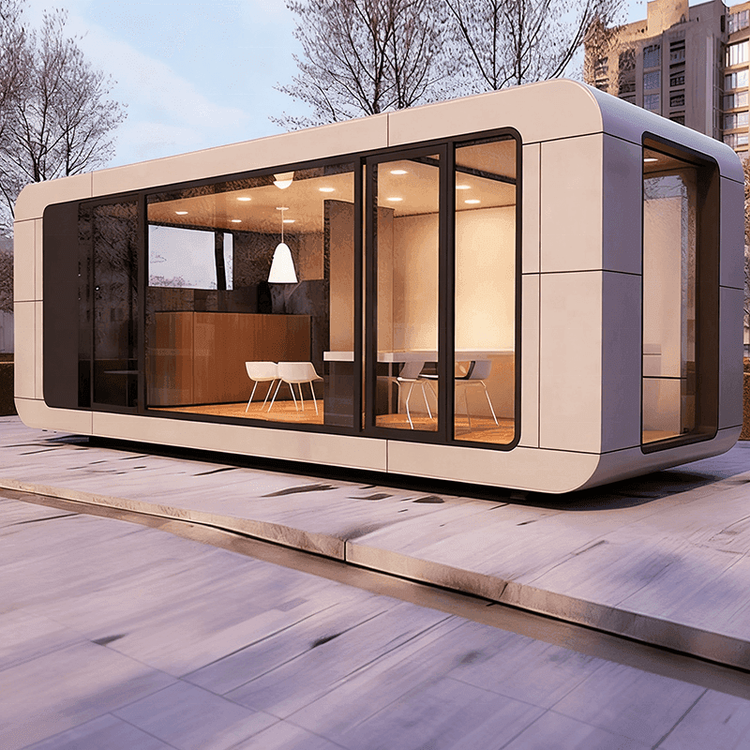
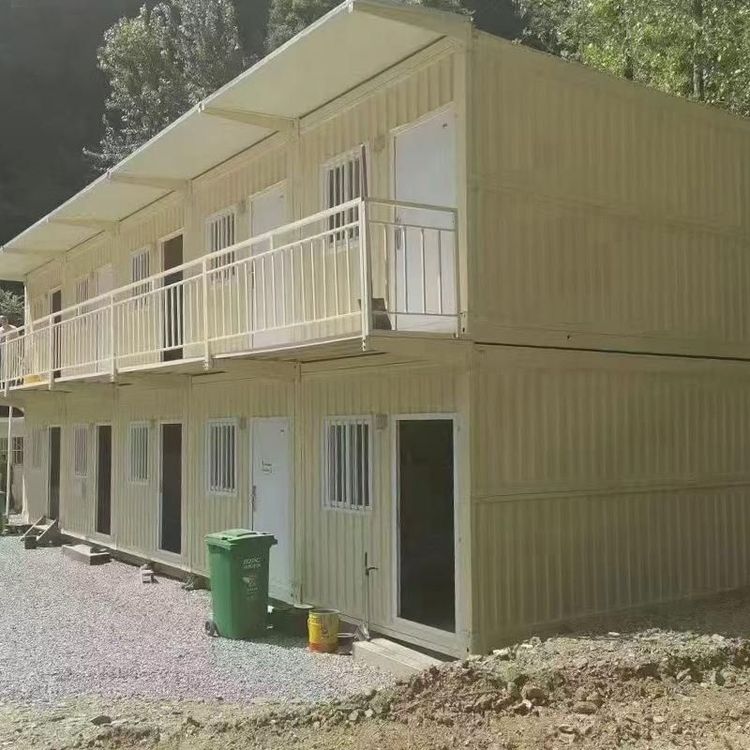
Modern "prefabricated houses" mainly include steel, concrete, and wooden forms. Chinese companies have advantages in the steel and concrete sectors: steel structures are lightweight and suitable for ocean transportation and high-rise buildings; concrete structures are closer to traditional living experiences and have high acceptance in the domestic market. In the first four months of 2026, enterprises in the Guangzhou Customs region exported movable houses worth 1.4 billion yuan (a year-on-year increase of 38.1%), and exports from Shenzhen ports reached 1.68 billion yuan (a year-on-year increase of 19.6%), indicating strong international market demand.