
Back to blog
Article
Foreign Exhibitors of Prefabricated Housing
Admin September 18, 2026
The foreign exhibitors and procurement situations of prefabricated housing exhibit diversified and globalized characteristics, with Chinese enterprises significantly increasing their participation and influence in overseas markets.
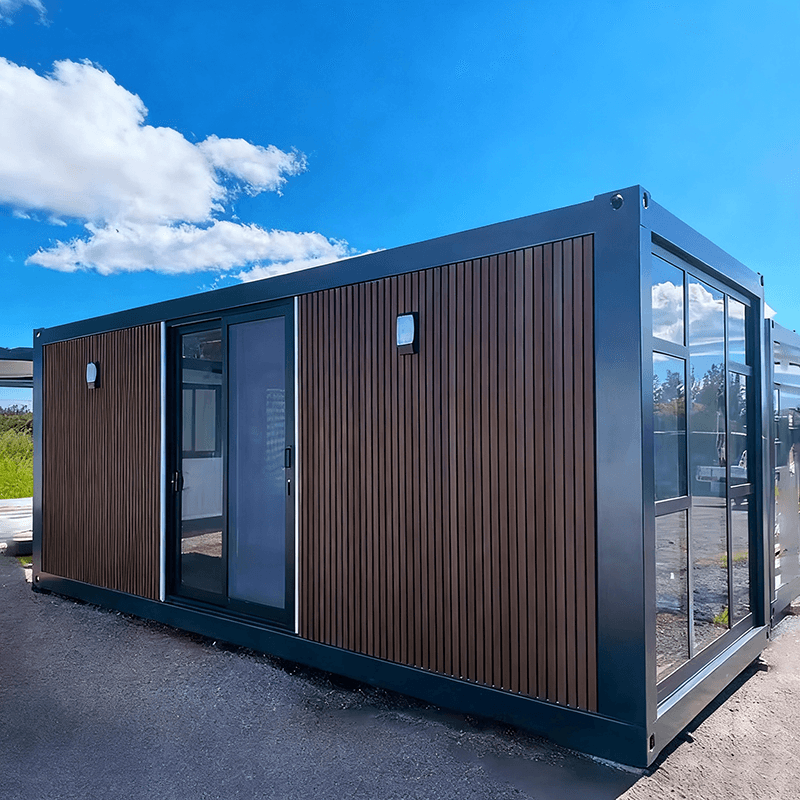
I. Typical Procurement Cases and Exhibitor Cooperation
- U.S. Market: A U.S. couple purchased a 70-square-meter, fully furnished 'prefab house' made in China through online shopping, with a total cost (including shipping and tariffs) of less than $30,000. The unboxing video received over 3 million views on YouTube, reflecting strong interest from individual consumers in cost-effective prefabricated housing.
- Sichuan Enterprise Case: Sichuan Xueli Tent Manufacturing Co., Ltd. secured $13.5 million in overseas orders in a single session at the Canton Fair, exporting products to 16 countries (including Europe, the Americas, and the Middle East). Its modular tent houses have become a popular choice due to their comprehensive functionality and easy assembly. In August 2026, the company received 13 overseas buyers, with monthly接待量 reaching 20% of the previous year's total, indicating sustained growth in demand.
II. Global Market Distribution and Demand Characteristics
- European Market: British merchants purchased Chinese modular elderly care apartments, with 63 modules shipped from China and assembled on-site in just two weeks, demonstrating demand for rapidly deployable buildings. Italy participated in modular data center projects, reflecting industrial recognition of prefabricated housing.
- Asia-Pacific and Middle East: Malaysia, Indonesia, and the Middle East purchased modular data centers from Jiangmen Zhongji Digital Energy Equipment Co., Ltd., with a cumulative installed capacity exceeding 1,000 megawatts, highlighting application potential in energy infrastructure.
- Emerging Markets: Papua New Guinea assembled a hotel using 84 modules, while Russian scenic spots widely used space capsules and apple houses as tourist attractions. An Australian netizen purchased a prefab house for backyard living (total cost approximately 170,000 RMB), and Canada considers prefab houses a 'lifeline' for low-income individuals, with rental costs far exceeding purchase expenses.
III. Procurement Trends and Core Advantages
- Efficiency and Cost Advantages: Traditional construction in Europe and the Americas exceeds 10 months, while Chinese prefab houses require only 5-10 days for assembly. Labor costs in Europe and the Americas range from $30,000 to $80,000, whereas Chinese prefab houses cost approximately $30,000 including shipping and are reusable, significantly reducing overall costs.
- Positive Market Feedback: Overseas repeat customers continue to place additional orders, with China's prefabricated building exports growing by 45% year-on-year in the first quarter of 2026. Guangzhou Customs reported $1.4 billion in exports in the first four months (a 38.1% year-on-year increase), confirming market enthusiasm.
- Design Adaptability: Enterprises develop specialized products for different regional needs, such as photovoltaic ball tent houses for high electricity-cost areas and large flat-floor models favored by European and American clients, demonstrating customization capabilities.
Related



