Case Study: Prefabricated Housing Export to the US
There have been multiple successful cases of prefabricated housing exports to the US, covering enterprises of different scales and product types, with high market acceptance and a growing trend.

1. Case Study: A County Factory in Hengshui, Hebei - Low Cost, High Dissemination
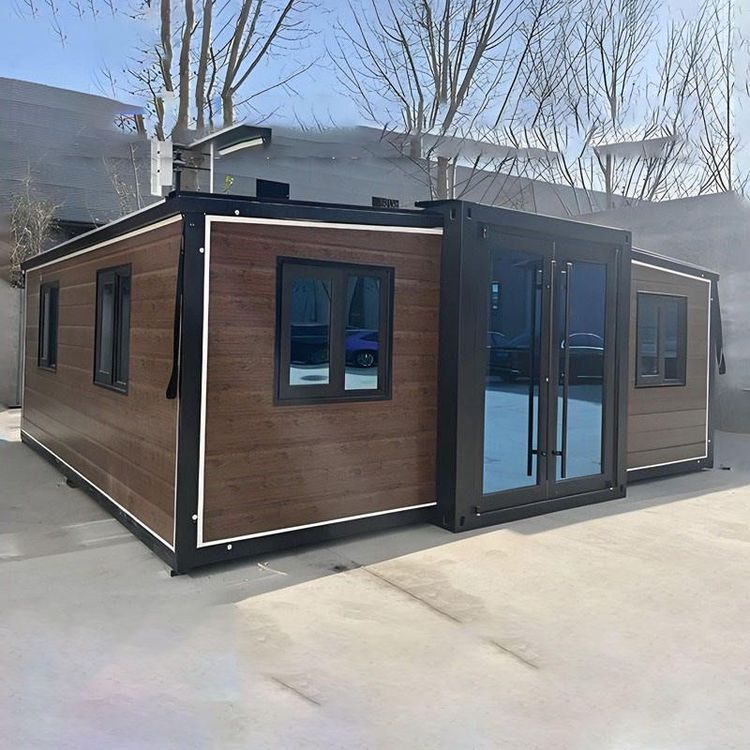
A county factory in Hengshui, Hebei, produces a 70-square-meter prefabricated house with two bedrooms and one living room, priced at $15,800 for the bare house. After adding costs for transoceanic transportation, tariffs, customs clearance, and inland hoisting, the total landed cost is $28,689 (less than 200,000 RMB). This product was purchased by an American couple, 'Grateful Off-Grid,' who completed the installation themselves and documented the entire process. The related video has garnered over 3.1 million views on YouTube and sparked more than 4,000 comments. This case demonstrates that low-cost prefabricated houses can expand their influence through social media dissemination, attracting the attention of individual consumers, especially those seeking cost-effectiveness and a DIY experience.
2. Alibaba.com Data: Significant Market Growth, US as the Core Buyer
From January to June 2026, the transaction volume of mobile housing categories on Alibaba.com increased by over 50% year-on-year, with the US becoming the largest buyer market, accounting for more than 20% of overseas orders. The data reflects that the demand for prefabricated housing in the US continues to expand, and the scale effect of procurement through cross-border e-commerce platforms is significant, allowing small and medium-sized enterprises to quickly reach the market through online channels.
3. Case Study: China Construction Steel Structure Jiangsu Co., Ltd. - High-End Modular Products Break into the North American Market
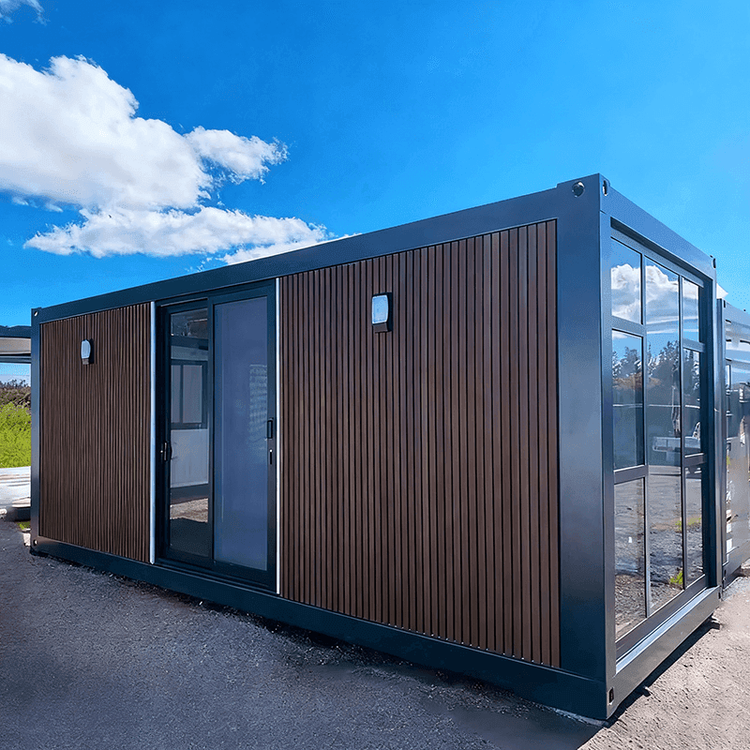
China Construction Steel Structure Jiangsu Co., Ltd. secured its first North American order for a full range of modular houses. The products are transported in four independent modules packed into containers and directly assembled into finished residences that meet local standards upon arrival in North America. This case shows that Chinese enterprises possess technological competitiveness in the high-end prefabricated housing sector and can meet the stringent requirements of the North American market for building quality, delivery efficiency, and compliance through modular design, providing solutions for large enterprises or commercial projects.
Summary: The export of prefabricated housing to the US has formed a dual path of 'individual consumption + commercial projects.' Low-cost products rely on social media dissemination, while high-end modular products leverage technological advantages. Cross-border e-commerce platforms have become the primary channel for small and medium-sized enterprises. As the US market's demand for green buildings and rapid delivery grows, the potential for Chinese prefabricated housing exports will continue to be unleashed.