
Prefabricated Housing Construction Standards
The prefabricated housing construction standards cover various aspects including modular construction, prefabricated rural housing, prefabricated panel housing, and legal regulations, as detailed below:
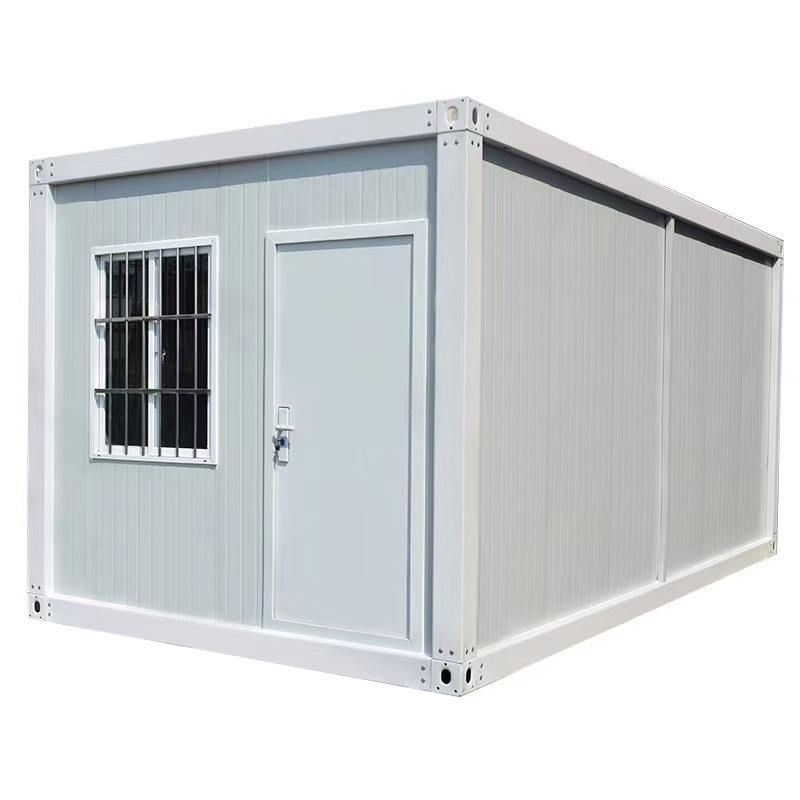
Modular Construction Standards: Modular construction divides buildings into independent modules, which are manufactured in factories and then transported to the site for assembly. Design requires extreme precision, with positioning errors of each steel bar controlled in millimeters to ensure accuracy. Its advantages include short construction periods, controllable quality, energy efficiency, environmental protection, and ease of maintenance. However, it places extremely high demands on the industrial base, requiring a complete technical system, production system, and industrial cluster support.
Prefabricated Rural Housing Standards: Prefabricated rural housing uses factory-prefabricated or partially prefabricated components assembled on-site. Construction must adhere to the principles of modern functionality, structural safety, cost-effectiveness, environmental friendliness, and harmonious aesthetics. Structural systems include prefabricated concrete shear walls, EPS module cast-in-place concrete, and lightweight steel frames, all of which must be designed and constructed according to regulations. Materials should be selected based on local conditions and available resources, prioritizing green, economical, or recyclable materials, and prohibiting the use of high-energy-consuming and excessively polluting materials. Design should respect farmers' needs, reflect regional characteristics, consider aging-friendly design, and optimize floor plans and facades for sunlight and ventilation. Construction should be organized by professional teams or trained rural craftsmen, with a construction organization plan and scheme developed to clarify component installation, joint construction, quality management, and safety measures.
Prefabricated Panel Housing Standards: National regulations for prefabricated panel housing focus on safety and usage standards. In terms of fire safety, strict compliance with the Fire Protection Law of the People's Republic of China is required. For example, Article 54 mandates that fire rescue agencies notify the immediate elimination of fire hazards upon discovery and may take temporary sealing measures for situations that seriously threaten public safety. Flammable and combustible foam sandwich panels are prohibited in crowded places, which should instead use non-combustible or difficult-to-burn materials like rock wool. Building material usage must comply with national standards. Building planning and approval must align with local land use plans and relevant laws and regulations, with applications for land use rights and building permits required before construction.
Legal Regulations: Prefabricated housing falls under the category of construction projects and is regulated by the Regulations on the Administration of Construction Project Quality and the Construction Law of the People's Republic of China. Its production, installation, and use must comply with regulations on construction unit qualifications, construction process supervision and management, and project quality assurance. Quality and safety are protected by law, and strict adherence to relevant standards and regulations is mandatory.



