
Prefabricated Housing Component Prefabrication Plant
A prefabricated housing component prefabrication plant is a factory dedicated to producing various prefabricated components required for prefabricated buildings.
I. Main Types of Prefabricated Components Produced
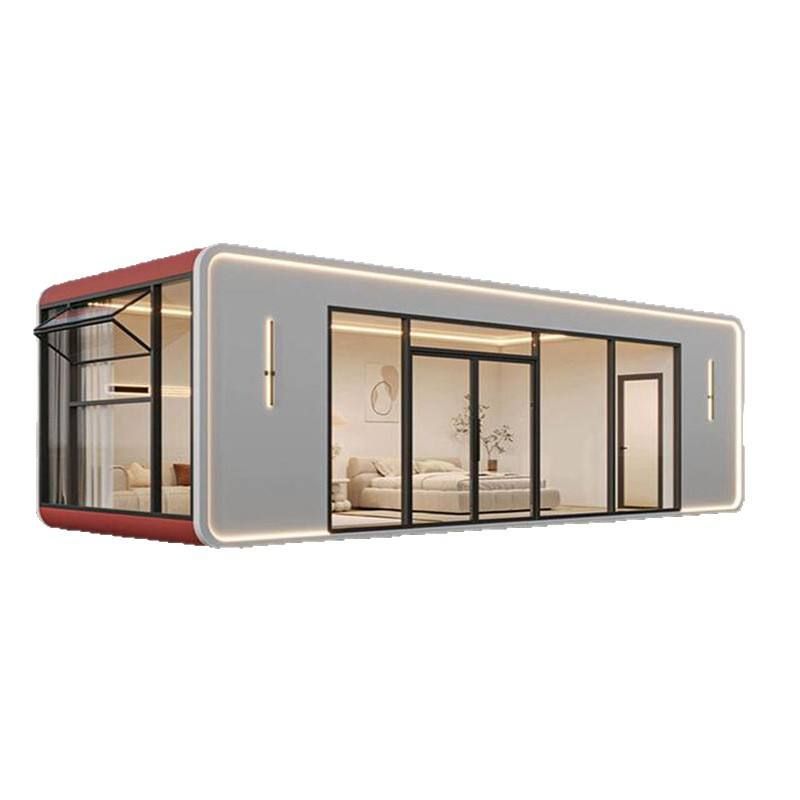
The core products of a prefabricated housing component prefabrication plant are prefabricated concrete (PC) components, which are pre-processed and manufactured in the factory according to design drawings. Common products include composite slabs (composed of a prefabricated layer and a cast-in-place layer, used for floor or roof slabs), interior and exterior wall panels (forming the building envelope), stairs (prefabricated as a whole for direct installation), prefabricated beams and columns (the main structural components bearing the building load). Additionally, panel prefabricated buildings, as a special form of prefabricated buildings, feature prefabricated components mainly consisting of large sheets of interior and exterior walls, large floor or roof slabs. These components are prefabricated in the factory and then transported to the construction site for assembly into a complete building.
II. Production Process and Technical Characteristics
The production of prefabricated components must strictly follow a standardized process: First, component disassembly design is carried out based on architectural drawings to determine the dimensions, reinforcement configuration, and embedded part positions of each component. Subsequently, concrete is poured into molds in the factory, and steam curing and other processes are used to accelerate the development of concrete strength. Finally, the components are completed through demolding and surface treatment processes. The factory-based production model significantly enhances the quality stability of components. For example, the accuracy of concrete pouring can be controlled to the millimeter level, and the deviation in the thickness of the reinforcement cover is less than ±3mm, far superior to the construction errors of on-site pouring. Meanwhile, the standardized design of prefabricated components supports modular combination, allowing adaptation to different building layout requirements.
III. Market Applications and Representative Manufacturers
Prefabricated components are widely used in prefabricated concrete system buildings, covering fields such as residential buildings, commercial complexes, and public facilities. Their core advantages lie in shortening construction periods, reducing on-site wet work, and lowering construction waste emissions, aligning with the development trend of green buildings. Representative manufacturers in the market include Mingjiu Prefabricated (specializing in R&D and production of PC components), Taihang Yugong (providing full-industry-chain solutions for prefabricated buildings), and Haitian (renowned for its intelligent production lines). These enterprises drive the industry towards higher efficiency and refinement through technological iterations.


