
Case Studies of Prefabricated Housing
Here are some typical case studies of prefabricated housing:
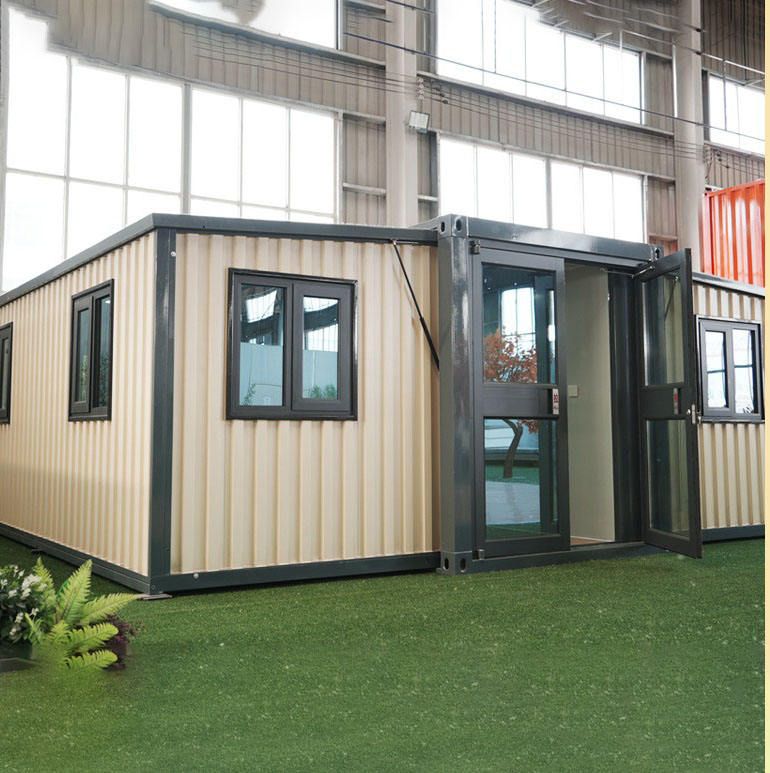
Portugal VDC (Vale de Cambra) Project Led by the architectural firm SUMMARY, this project was constructed in the Serra da Estrela mountains using the 'Gomos System'. With a total floor area of 10,743 square feet, it is a mixed-use development. The core innovation lies in the modular tubular housing unit design, which enables efficient construction through standardized components, significantly reducing on-site work time. The project comprises six independent units, with flexible combinations of modules adapting to the demands of complex terrain while maintaining the stability of the building structure.
Papua New Guinea MRDC Modular Hotel Project Undertaken by China Construction Science & Industry Corporation, this hotel project adopts a fully modular construction model. Complete modules produced in domestic factories are transported by sea to the site for assembly. Compared to traditional construction, the overall delivery cycle has been shortened from 14-18 months to 7 months, with on-site labor reduced by approximately 60%. This model breaks through geographical constraints, ensuring consistent building quality through industrialized production while reducing logistics and labor costs for overseas construction.
Guangdong Shenzhen Affordable Housing Project Centered around concrete modular technology, this project assembles 6,028 prefabricated modules into five residential towers nearly 100 meters tall. The completion and delivery time have been shortened from the traditional 2.5-3 years to 1 year, with on-site labor reduced by about 50%. Additionally, modular construction significantly reduces construction pollution, such as noise and dust, aligning with trends in green building development. This project validates the feasibility of modular construction for high-rise buildings, providing a new paradigm for housing construction in densely populated urban areas.
Prefabricated Housing in the United States Since its origins in the 1930s, prefabricated housing has become the primary form of non-government-subsidized affordable housing in the United States, with one in every 16 people residing in such homes. Its applications are widespread, covering residential buildings, schools, hospitals, and more. Standardized design and large-scale production have reduced costs, making prefabricated housing an important choice for middle- and low-income groups while driving the industrialization of the construction industry.
Prefabricated Concrete Buildings in Japan From the post-World War II era to 1990, Japan has widely applied prefabricated concrete technology in high-rise buildings in earthquake-prone areas through continuous technological innovation, reaching a world-leading level. Its core advantages include a comprehensive standard specification system and highly integrated component processes. For example, the node connection technology of prefabricated components can effectively resist seismic forces. This model provides safe and efficient building solutions for high-density cities.



