Prefabricated Housing Assembly
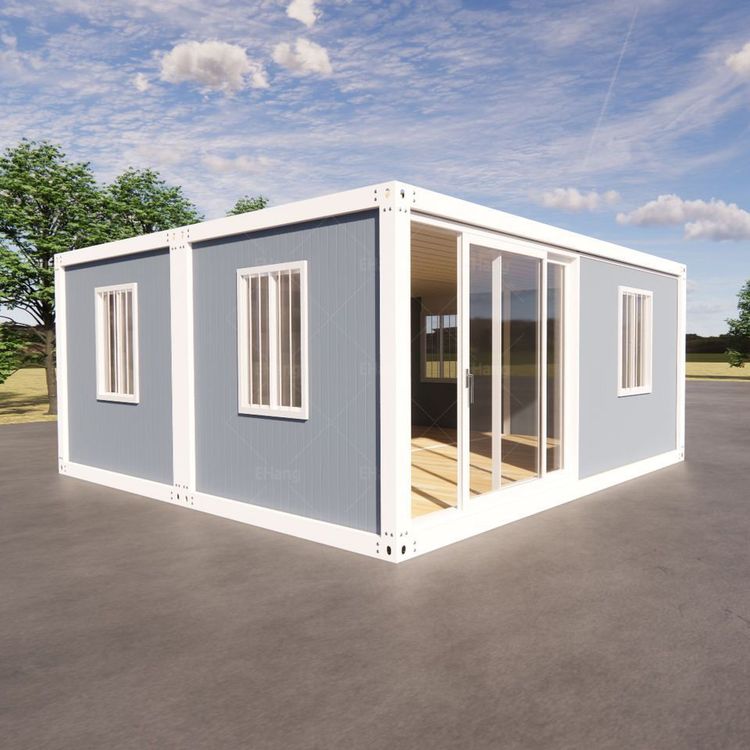
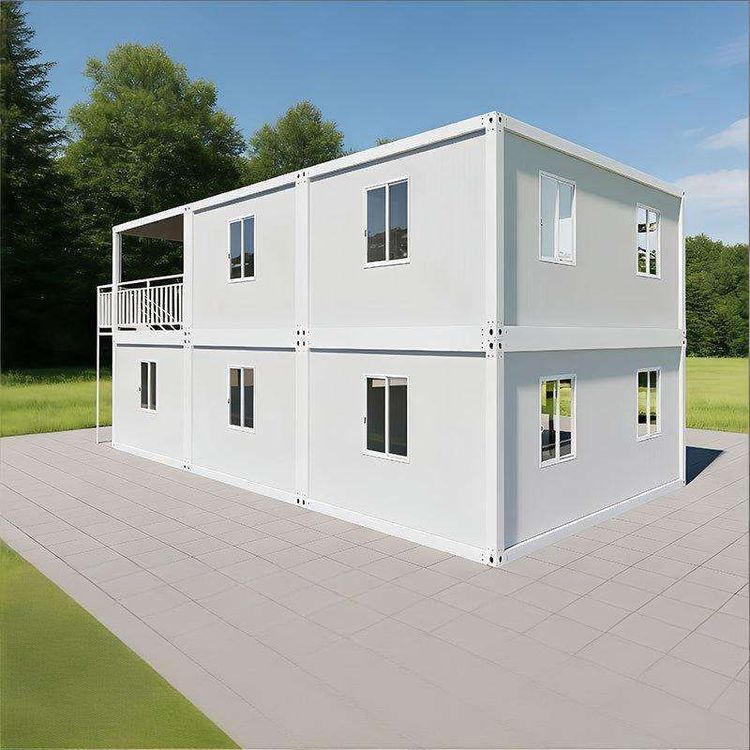
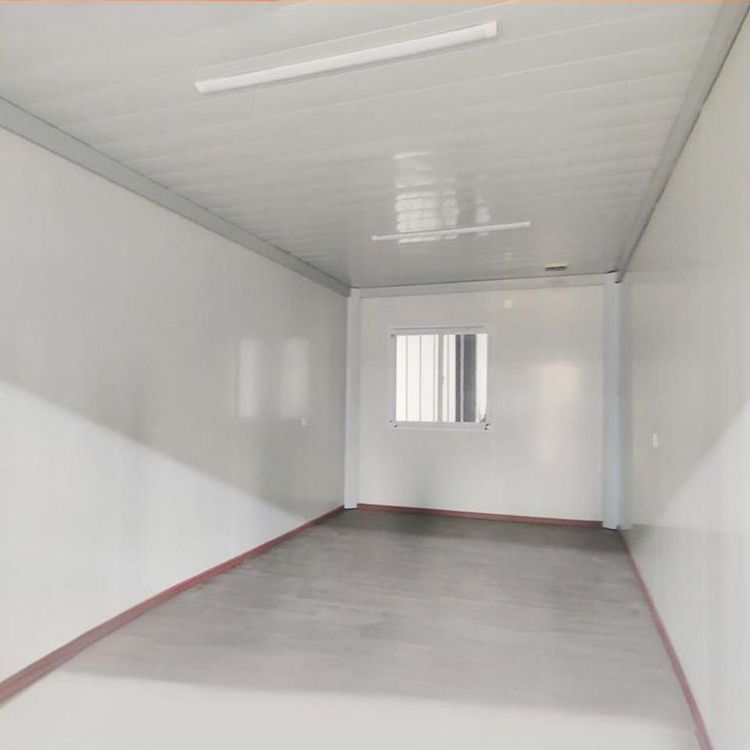
Prefabricated housing assembly involves transferring a significant amount of on-site work from traditional construction methods to factories, where building components and accessories are processed and manufactured before being transported to the site for assembly and installation.

I. Main Types Currently, prefabricated housing mainly falls into categories such as light steel structures, concrete structures, and modern timber structures. Among them, the main body of light steel structures uses cold-formed thin-walled steel studs, featuring light weight and ease of transportation and hoisting. Concrete structures achieve rapid assembly through prefabricated concrete components. Modern timber structures, on the other hand, use timber as the primary material and are constructed through standardized and modular design.
II. Construction Process (Taking Modern Timber Structures as an Example)
- Foundation Construction: Pre-cast cement foundations are poured to provide a stable base for house construction.
- Chassis Frame Construction: Install the house chassis frame on the foundation, lay floor joists, and use metal connectors to secure the nodes for stability.
- Wall and Floor Installation: Transport prefabricated wall modules to the platform, align and secure them to complete the enclosure of the exterior wall frame. Simultaneously, build partition wall frames and lay second-floor floor beams to form a three-dimensional structure.
- Roof Construction: Transport triangular trusses to the site, where ground and roof workers cooperate to hoist and place them on the top beams of the walls to complete the roofing.
III. Technological Advantages Prefabricated construction adopts standardized design, factory-based production, modular construction, information-based management, and intelligent applications, representing modern industrial production methods. Its core advantages include:
- Resource Conservation: Reduces on-site wet work and material waste.
- Environmental Protection and Emission Reduction: Significantly reduces construction dust and noise pollution.
- Efficiency Improvement: Modular production shortens the construction period and increases labor productivity.
- Quality Control: Factory-based production ensures component precision and improves quality and safety levels.
- Industrial Integration: Promotes the deep integration of the construction industry with informatization and industrialization.
IV. Policy Support Many regions have introduced policies to promote prefabricated construction: By 2025, the proportion of newly started prefabricated buildings in Hainan Province must reach 80%. Starting from 2026, all residential land parcels auctioned in Guangzhou will implement prefabricated construction at 100%, while commercial and industrial land parcels will adopt it wherever technically feasible. These policies reflect the strategic position of prefabricated construction in the development of green buildings.