
Prefabricated Housing
Prefabricated housing is a building form that uses industrially produced building components assembled on-site, also known as prefabricated assembled buildings. The following provides an introduction from multiple aspects:
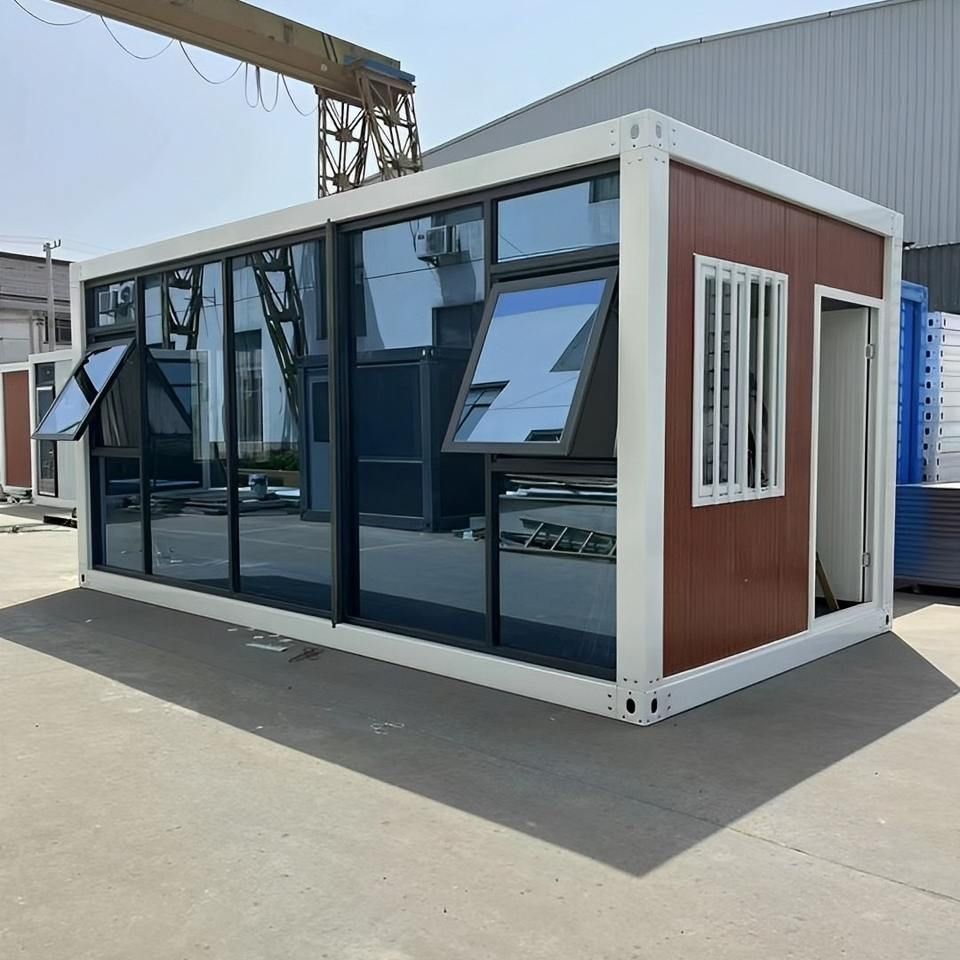
Main Types
It includes panel-assembled, box-assembled, and frame-assembled types. Among them, modular buildings represent a higher level of integration within prefabricated assembled buildings. Panel-assembled types use prefabricated wall panels and floor slabs as core components, enabling the expansion of usable area. Box-assembled types combine prefabricated functional units, increasing construction speed by 50%-70%. Frame-assembled types assemble components based on a frame structure.
Technologies and Components
Technologies cover prefabricated concrete structures and steel structures. Components include prefabricated products such as beams, slabs, walls, and columns. Prefabricated slabs are cement components produced in factories. During production, wooden models are first nailed, then steel bars are arranged, and cement is poured. They come in solid and hollow types, with hollow structures achieving lightweighting by reducing non-load-bearing concrete.
Development History
China's prefabricated concrete technology began in the 1950s, initially used for factory and residential construction. In the 1970s, driven by the policy of "industrialization, standardization, and mechanization" in construction, technical systems such as large-panel structures and box structures were formed. In the mid-1980s, development stalled due to cost and quality issues. In the 21st century, it has recovered due to production efficiency and environmental advantages. Companies like Vanke Group have developed prefabricated shear wall residential structural systems and applied prefabricated frame technology in projects. Prefabricated panel houses originated in the early 20th century, and most residential buildings constructed in China before 1985 used this structure. With the development of building technology, cast-in-place concrete and prefabricated buildings have gradually replaced traditional prefabricated panel houses. Since 2022, China has implemented renovation policies, focusing on repairing and renovating prefabricated panel houses and only demolishing those that meet the criteria for dangerous buildings.
Advantages and Disadvantages
Advantages include shortened construction periods and reduced pollution. For example, the construction period of prefabricated buildings is 30% shorter than traditional methods. In Fujian Province and other regions, industrial bases have been established with policy support, achieving a reduction in construction waste of over 70%. Mobile homes have advantages such as short construction periods, energy efficiency, environmental protection, and strong adaptability. Disadvantages include the普遍 (common) weakness in earthquake resistance, poor sound and thermal insulation, and a service life of approximately 30-50 years for existing prefabricated panel houses.
Application
Chinese-made prefabricated houses are selling well overseas. According to customs data, in the first four months of 2026, the Guangzhou Customs District exported mobile homes worth 1.4 billion yuan, a year-on-year increase of 38.1%. In the same period, the Shenzhen Port exported mobile homes worth 1.68 billion yuan, a year-on-year increase of 19.6%.



