
Prefabricated Houses Not Selling Well in China
The poor sales of prefabricated houses in China are mainly restricted by three factors: compliance, land planning, and market acceptance and cost.
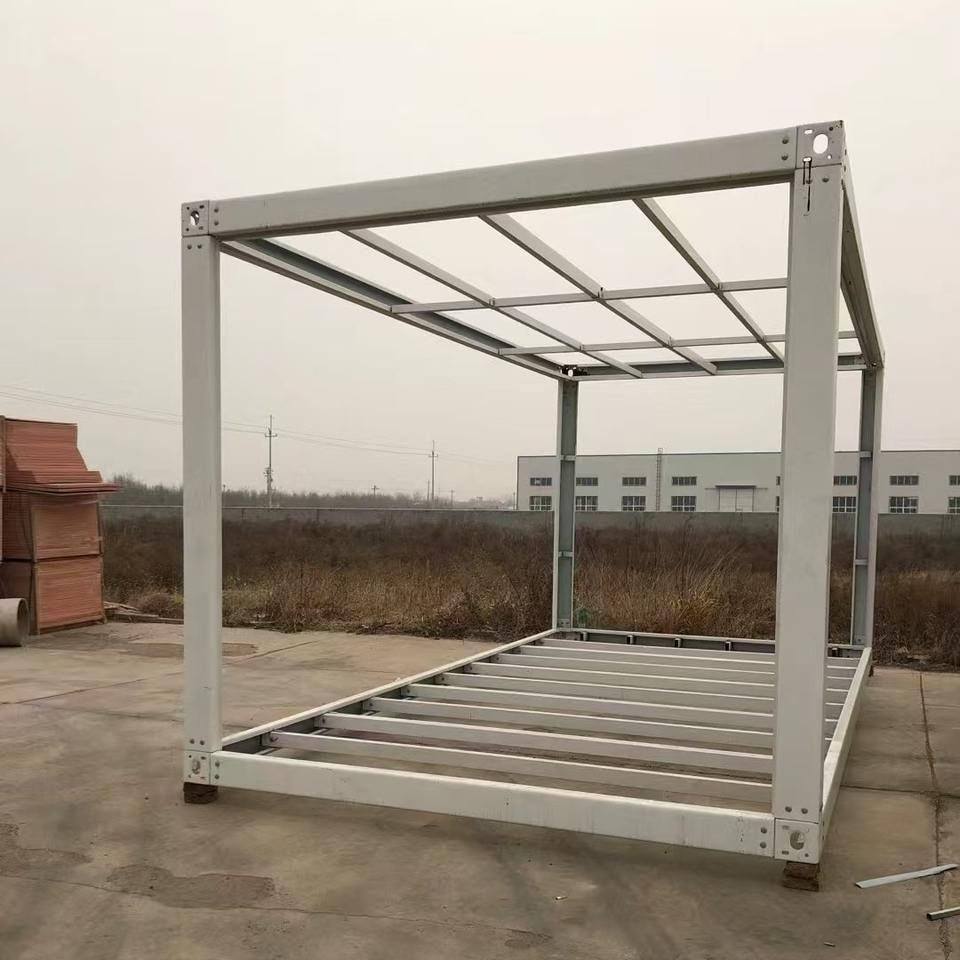
Compliance: According to the 'Regulations on the Quality Management of Construction Projects' and related laws and regulations, construction projects must meet national safety standards for construction projects and pass completion acceptance before they can be delivered for use. As a type of construction project, prefabricated houses cannot be legally marketed or inhabited if they have not undergone legal approval processes, obtained relevant planning and construction permits, or met the specified quality standards. This poses compliance obstacles for many prefabricated houses before they enter the market, limiting their sales scope and quantity.
Land Planning: According to the 'Urban and Rural Planning Law', any construction activities, even temporary ones, within urban and town planning areas must obtain prior approval from the planning authorities. If prefabricated houses are to be used as permanent residences, they must comply with the overall land use plan and urban-rural planning, and obtain corresponding land use rights and construction permits. In rural areas, although prefabricated houses are regarded as a new form of housing, they must also align with the overall land use plans of townships and villages and complete the corresponding approval processes. The strict requirements and complex procedures of land planning impose numerous restrictions on the site selection and construction of prefabricated houses, making it difficult to promote them on a large scale.
Market Acceptance and Cost Considerations: In ordinary cities in China, it is difficult for tenants to find compliant sites to place prefabricated house containers, which is a key reason why prefabricated houses cannot be widely used as civilian rental properties. Even in rural areas, idle open spaces cannot be arbitrarily used to place prefabricated containers as long-term residences. The high cost of urban housing primarily stems from resources such as legal construction land use rights, municipal public facilities, and real estate property registration, rather than just wall building materials. Although prefabricated houses can shorten construction periods and achieve industrial mass production, they cannot directly address these core issues, resulting in low market acceptance and poor sales.



