
Prefabricated Houses in Storms
The performance of prefabricated houses in storms varies depending on their structural types. Traditional prefabricated panel houses pose significant safety hazards, while specially designed floating houses can withstand extreme weather conditions.
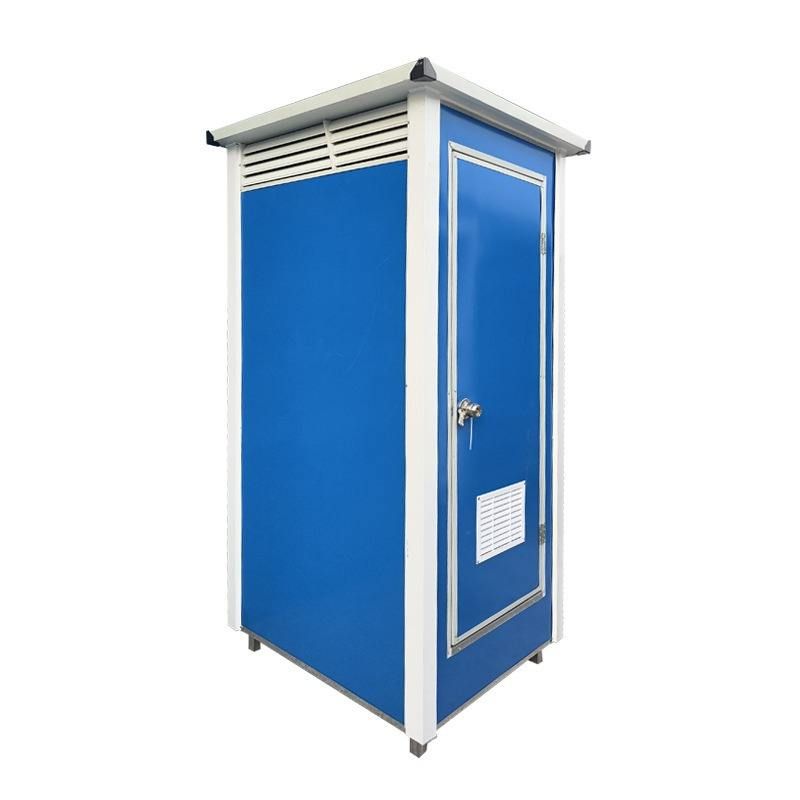
Traditional prefabricated panel houses face multiple risks during storms. Their assembled structure results in poor integrity, with walls and floors connected by bolts or welding, which are prone to loosening under strong winds or heavy rain. For instance, in 1985, prefabricated panel houses in Lengshuitan District, Hunan, experienced issues such as wall cracking, rainwater infiltration, and wall peeling during rainy days. In Caijiapo, Chongqing, prefabricated panel houses suffered from roof and wall leaks, floor deformation, and pipeline aging, which could trigger short circuits, tripping, or even fires during storms. These hazards stem from material aging and structural defects: concrete carbonation reduces structural strength, while steel corrosion weakens load-bearing capacity, making the houses vulnerable to collapsing under storms or minor earthquakes. Additionally, traditional prefabricated panel houses have a low earthquake resistance level (up to 6 degrees), making it difficult for them to withstand the combined impacts of extreme weather.
Specially designed prefabricated houses, on the other hand, can avoid these risks. Taking Dutch floating houses as an example, they employ steel piles and floating platform structures, with the piles able to rise or fall with the water level, ensuring the stability of the houses during storms. This design disperses stress and reduces wind resistance, transforming the houses into resilient structures that “coexist with water,” providing residents with a sense of security. However, it should be noted that floating houses are a special type of water-based architecture, with a structural principle entirely different from that of traditional prefabricated panel houses, and thus cannot be directly compared.
In summary, traditional prefabricated panel houses pose prominent safety hazards during storms due to structural issues and require risk reduction through regular maintenance, reinforcement of connection points, and updating of aging pipelines. In contrast, specially designed prefabricated houses (such as floating houses) adapt to extreme weather through innovative structures, offering a new direction for the development of prefabricated architecture.



