Back to blog
Article
Advantages and Disadvantages of Prefabricated Houses
Admin September 18, 2026
The advantages of prefabricated houses include rapid construction, cost control, environmental protection and energy efficiency, flexibility and mobility, quality control, and ease of design; the disadvantages involve quality risks, sound insulation and waterproofing issues, cost fluctuations, design limitations, and long-term maintenance costs.

Advantages:
- Rapid Construction, Shortening the Project Duration: Most components of prefabricated houses are manufactured in factories, and on-site assembly reduces the construction period by more than 50% compared to traditional buildings, with the main structure being assembled in as little as two hours. For example, a 100-square-meter residence can be completed in just 1-2 months, while traditional brick-and-mortar structures take more than six months.
- Cost Control: Factory production optimizes material and labor costs. The construction cost of ordinary prefabricated houses ranges from 1,000 to 3,000 yuan per square meter, significantly lower than that of traditional high-end residences (over 5,000 yuan per square meter). Mass production reduces material costs by 20%-40% and labor costs by about 60%.
- Environmental Protection and Energy Efficiency: Factory production reduces on-site dust, noise, and waste pollution, with a building waste recycling rate exceeding 90% and carbon emissions halved. Some high-end residences integrate solar panels, insulation materials, and intelligent energy-saving systems, meeting national green building standards for energy efficiency.
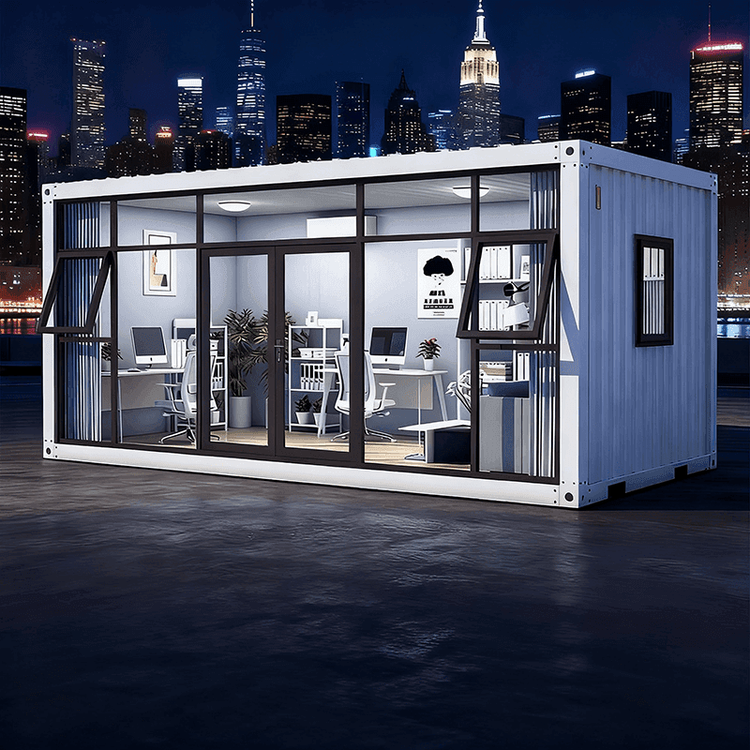
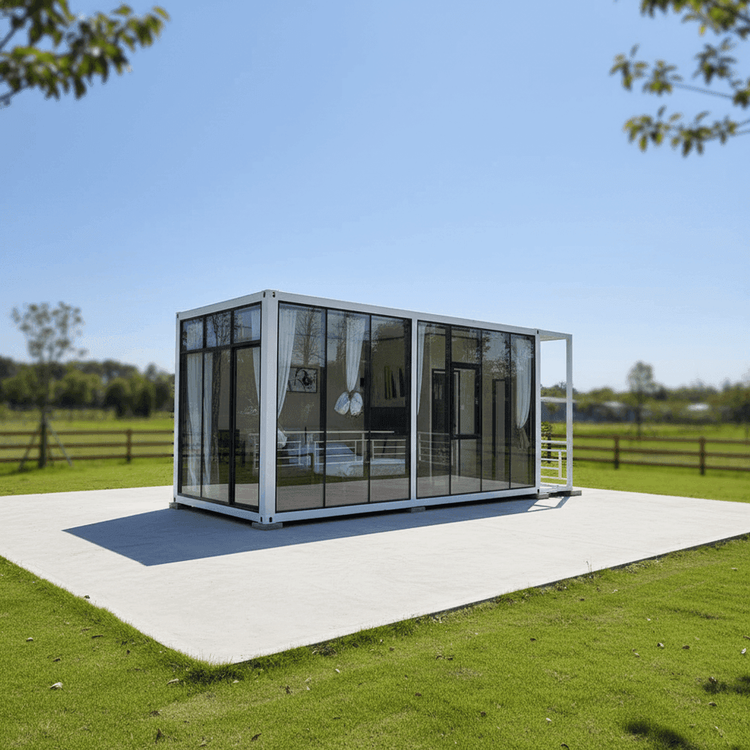
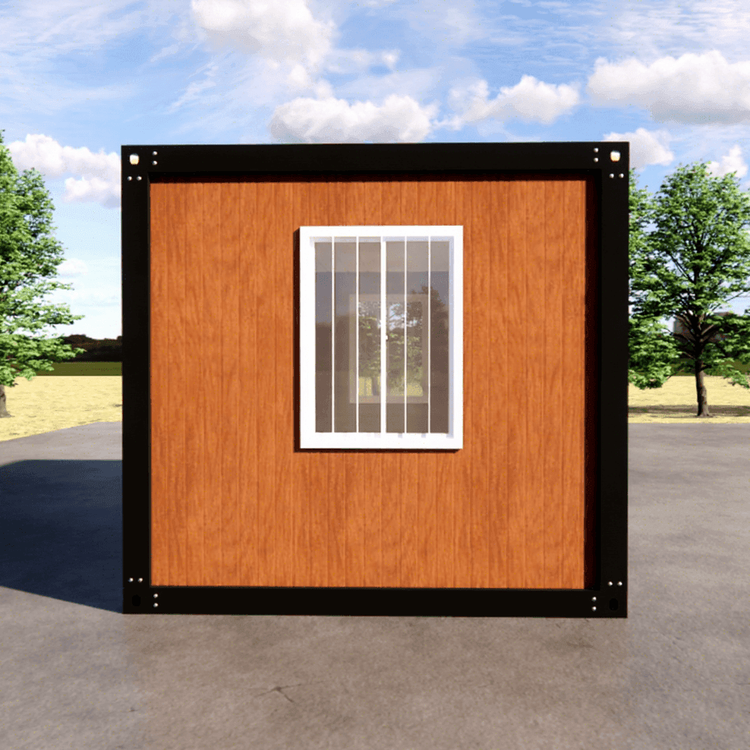
- Flexibility and Mobility: Modular design supports custom layouts and even allows for disassembly and relocation to different sites. Container houses and light steel structure houses are particularly suitable for scenarios requiring frequent relocation.
- Quality Control: The strict factory environment ensures standardized production of components through high-precision molds, enhancing concrete strength. Seismic performance passes seven-level earthquake simulations, and with reinforced concrete monolithic pouring, it can reach eight-level seismic resistance, extending the service life to seventy years.
- Ease of Design: Room size, structure, and details can be designed according to user needs, meeting personalized requirements.
Disadvantages:
- Quality Risks: When construction is not standardized, there is a 7% probability of foundation settlement or wall cracks within five years, with issues more likely to arise during low-temperature construction. In some cases, maintenance costs after five years account for a quarter of the construction cost.
- Sound Insulation and Waterproofing Issues: Prefabricated panels have 20 decibels poorer sound insulation, and the leakage rate at joints is nearly double that of traditional buildings, requiring regular leak-proofing treatment.
- Cost Fluctuations: After cement price increases, prefabricated houses are only 5% cheaper than traditional buildings; when transported to remote areas, freight may account for 5% of the total cost.
- Design Limitations: Currently, only buildings up to two stories can be constructed, with exterior facades prone to 15%-20% color differences, requiring frequent maintenance.
- Long-term Maintenance Costs: After 20 years, annual maintenance costs increase by 1,500-3,000 yuan.
Related