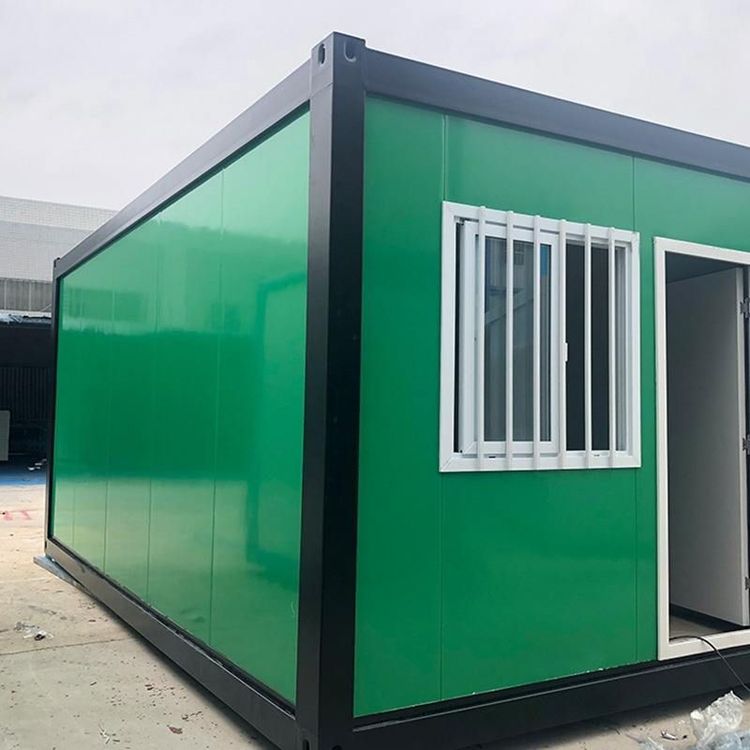
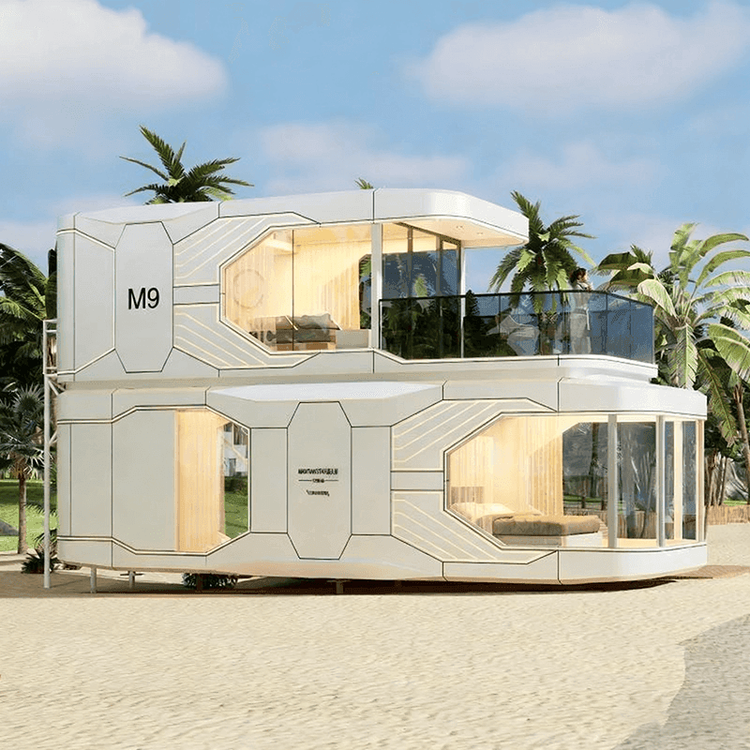
Prefabricated House Wood Grain Effect Diagram
Currently, it is not possible to directly provide effect diagrams of wood grain for prefabricated houses, but the application effects of wood grain in prefabricated buildings can be illustrated through actual cases and material characteristics. As a natural texture, wood grain is often used in architectural design to enhance the warmth and natural attributes of spaces. Its manifestations vary depending on the materials and craftsmanship. The following explains its visual effects through specific cases and techniques:

Natural Wood Grain Effects of Solid Wood Materials
Take the solid wood houses in Styria, Austria, as an example. The interior walls, furniture, and cabinets are all made of untreated local spruce wood. The natural textures of the wood, such as growth rings, knots, and fiber directions, create a coherent visual effect through direct exposure. This design emphasizes the rawness of the material, with the varying shades of the wood grain interacting with the space's lighting to create a soft and layered atmosphere. For instance, the combination of the light yellow hue and light brown texture of spruce wood gives the interior space a natural and rustic style, while the tactile and visual textures of the wood are unified, enhancing the occupants' sense of immersion.
Simulated Effects of Prefabricated Wood Grain Fair-Faced Concrete Panels
Prefabricated wood grain fair-faced concrete panels replicate real wood textures through high-precision molds, achieving a level of realism that is almost indistinguishable from the real thing. The mold technology can accurately capture details such as the growth rings, knots, and cracks of the wood, even simulating the varying density of the wood grain caused by differences in the growth environment. After special treatment, the surface of the panels feels warm and delicate, eliminating the coldness of concrete while retaining the visual characteristics of wood. For example, in a certain project, these materials were used to design walls and ceilings, with the wood grain extending from the floor to the ceiling, creating an overall sense of spatial extension and presenting a natural style without the need for additional decoration.
Design Advantages of Wood Grain Applications
- Visual Continuity: Wood grain materials (such as solid wood or wood-like concrete) can be applied to multiple scenarios, including walls, furniture, and cabinets, breaking spatial boundaries and enhancing the overall sense through the continuity of textures.
- Creation of a Natural Atmosphere: The warm tones and organic shapes of wood grain can neutralize the hard texture of building materials, making them particularly suitable for prefabricated house designs that pursue natural and ecological concepts.
- Low Maintenance Costs: Prefabricated wood grain materials (such as concrete panels) are weather-resistant and do not require frequent maintenance, making them suitable for long-term use.
If specific effect diagrams are needed, it is recommended to search for case references on the official websites of building material suppliers or design platforms (such as ArchDaily, Pinterest) using keywords like "prefab wood grain" or "wood grain concrete panel".