
Safety Specifications for the Transportation of Prefabricated Houses
The safety specifications for the transportation of prefabricated houses cover aspects such as transportation preparation, vehicle selection, loading and securing, route planning, transportation process, safety precautions, process recording, and accountability.
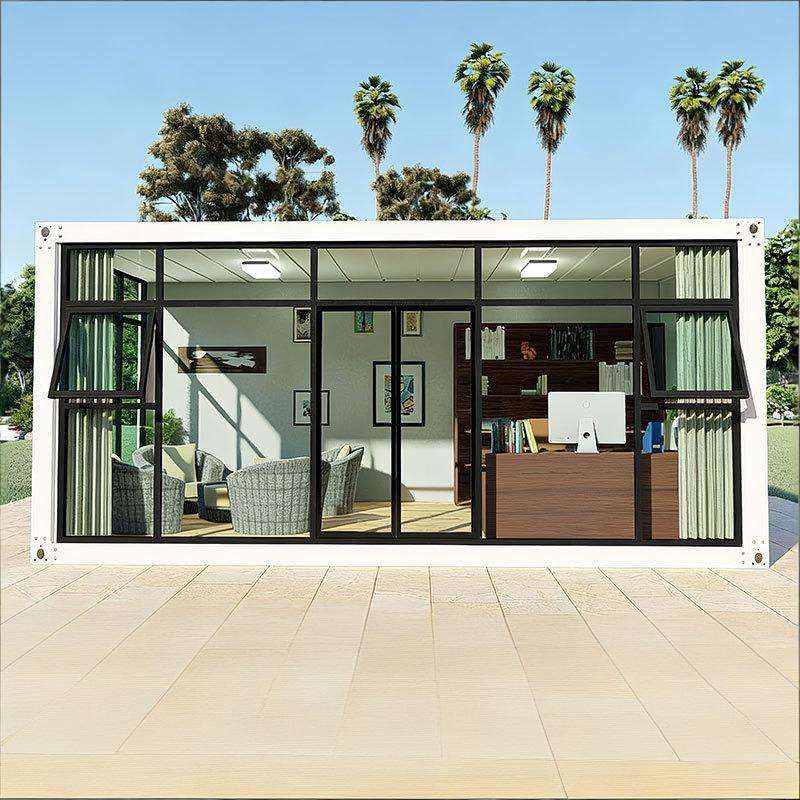
Transportation Preparation: Before transportation, carefully inspect and count the goods to ensure that the quantity, dimensions, and specifications of the prefabricated components match those on the shipping documents. At the same time, develop a detailed transportation plan for each batch of prefabricated components, covering aspects such as transportation routes, selection of transportation vehicles, and loading methods. Additionally, inspect the transportation vehicles to ensure they are in good technical condition and do not affect the safety of cargo transportation.
Vehicle Selection: Choose appropriate transportation vehicles based on the dimensions, weight, and shape of the prefabricated components. Large and heavy prefabricated components, such as concrete walls and large steel beams, require flatbed trailers or large trucks for transportation. For longer houses, select vehicles with sufficient length to ensure stable placement.
Loading and Securing: Loading must comply with relevant standards and regulations. Overloading is strictly prohibited to prevent over-limit transportation. During loading, take protective measures to avoid damage such as collisions and scratches. Fragile glass doors and windows should be wrapped with specialized packaging materials, and buffer materials should be placed between components. Heavy prefabricated components require appropriate lifting equipment for loading and unloading. After loading is complete, securely fasten the components to the vehicle using ropes, steel straps, etc., to prevent shaking and displacement during transportation.
Transportation Route Planning: Conduct a detailed survey of the transportation route in advance to understand road width, slope, bridge load-bearing capacity, etc. Avoid routes with poor road conditions, heavy traffic, and height or weight restrictions. Choose a route that is an appropriate distance, has good road conditions, and low traffic volume, and consider the transportation time, selecting periods with low traffic volume for transportation.
Transportation Process: During transportation, reasonably control the vehicle speed, comply with traffic rules, and avoid dangerous behaviors such as sudden braking and sharp turns to prevent the prefabricated components from sliding or tilting. For long-distance transportation,合理安排 (reasonably arrange) the driving and rest times of the vehicle to ensure the driver's rest and mental state.
Transportation Safety Precautions: Strengthen cargo supervision to prevent loss and damage; promptly address safety hazards during transportation; develop emergency plans for potential accident risks and conduct training and drills; maintain smooth communication with the driver to stay informed about the transportation situation in a timely manner.
Transportation Process Recording: After each transportation is completed, make records, including information such as the quantity, dimensions, and transportation route of the prefabricated components. Record problems and accidents in detail, analyze the issues, and develop improvement measures. All records should be saved and archived.
Accountability: In the event of cargo loss or damage during transportation, hold the responsible person accountable and provide compensation. For accidents caused by intentional or major violations, hold the responsible person criminally liable. The transportation company and relevant responsible departments are responsible for transportation safety.



