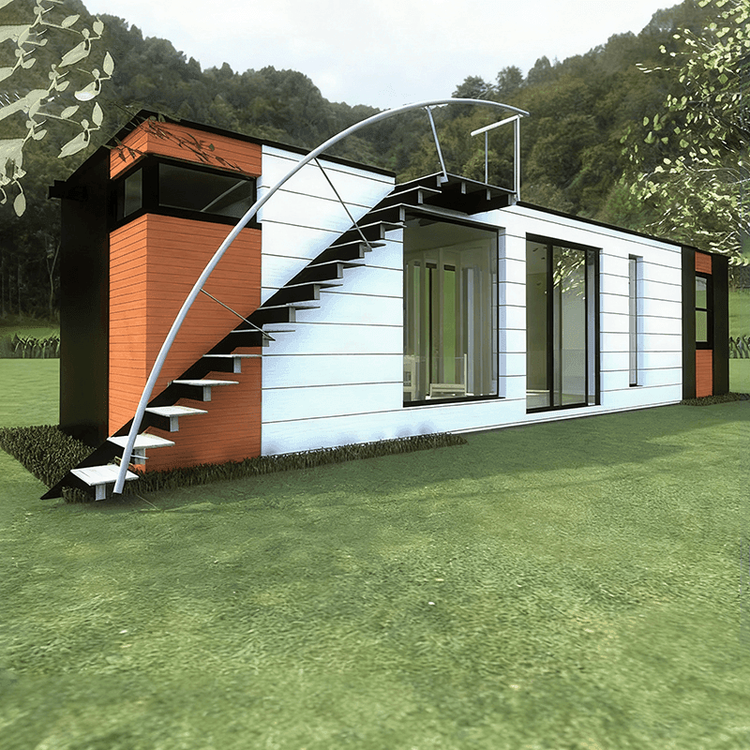
Prefabricated House Transportation Methods
Prefabricated house transportation methods mainly include vehicle selection, route planning, loading and securing, transportation safety, and unloading, with variations in transportation methods for different types of prefabricated components.
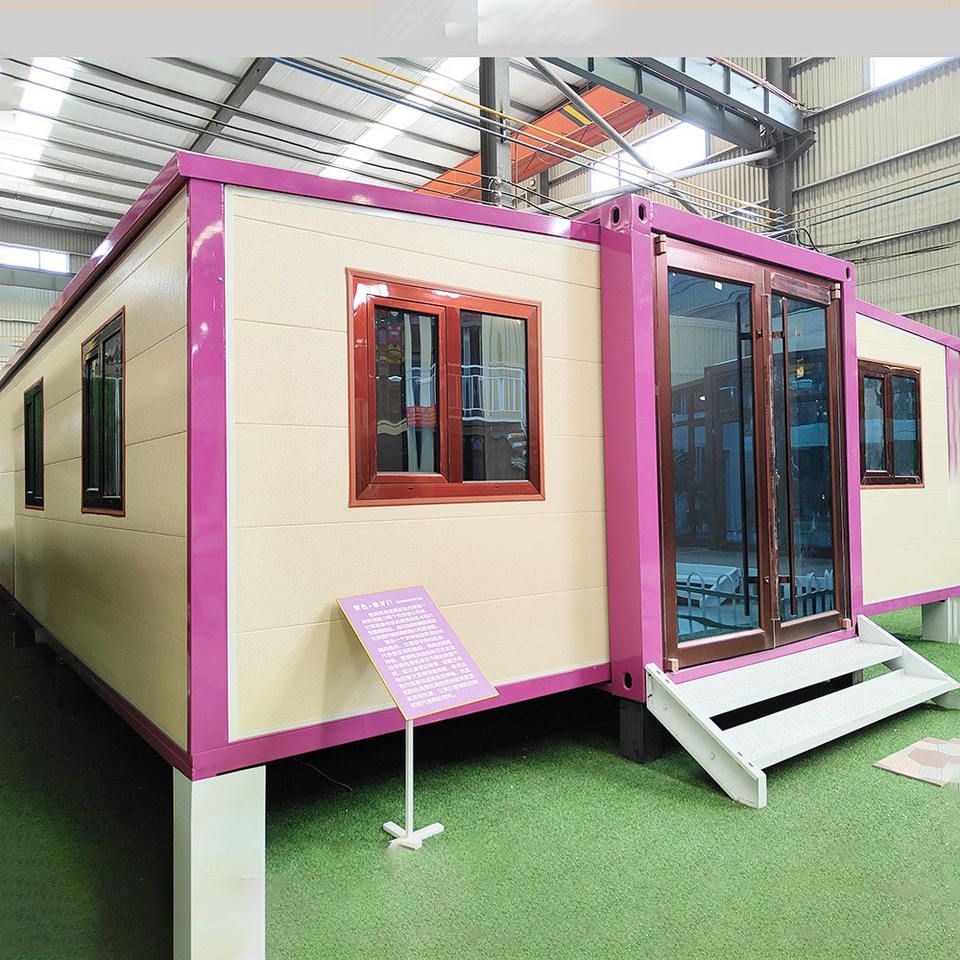
Vehicle Selection: Choose appropriate transportation vehicles based on the size, weight, and shape of the prefabricated house. For large and heavy houses, flatbed trailers with strong load-bearing capacity should be selected to ensure safe weight support. For longer houses, the vehicle length should be sufficient to ensure stable placement. Small and lightweight components, such as doors, windows, and small decorative parts, can be transported using small trucks or vans.
Route Planning: Conduct a detailed survey of the transportation route in advance to understand road width, slope, bridge load-bearing capacity, and other conditions. Avoid routes with poor road conditions, heavy traffic, height or weight restrictions, and choose routes that are appropriately distant, have good road conditions, and low traffic volume. Also, consider transportation time and try to choose periods with low traffic volume to reduce obstacles during transportation.
Loading and Securing: Before loading, arrange the prefabricated house or components reasonably and securely fasten them to the transportation vehicle using ropes, steel straps, etc., to prevent shaking, collision, and displacement during transportation. Isolate and secure components to avoid damage from mutual collision and friction. For fragile glass doors and windows, use special packaging materials for wrapping and place buffer materials, such as foam boards and rubber pads, between components.
Transportation Safety: Conduct a comprehensive inspection of the vehicle before transportation to ensure the normal operation of equipment such as the braking system, tires, and lights. During transportation, drivers should strictly abide by traffic rules, control speed, and avoid sudden braking and sharp turns to prevent damage to the house due to inertia. Arrange for dedicated personnel to track and monitor the transportation process, possibly through the installation of GPS positioning systems, to promptly grasp the vehicle's location and status. In case of severe weather, such as heavy rain, strong winds, or heavy snow, take appropriate protective measures in a timely manner, such as covering components or choosing safe locations to park and wait for the weather to improve.
Unloading: Upon arrival at the destination, unload in the correct order and method to avoid damaging components during the process. Additionally, transportation methods for prefabricated components of prefabricated buildings include road transportation, rail transportation, water transportation, and air transportation, each with different considerations.