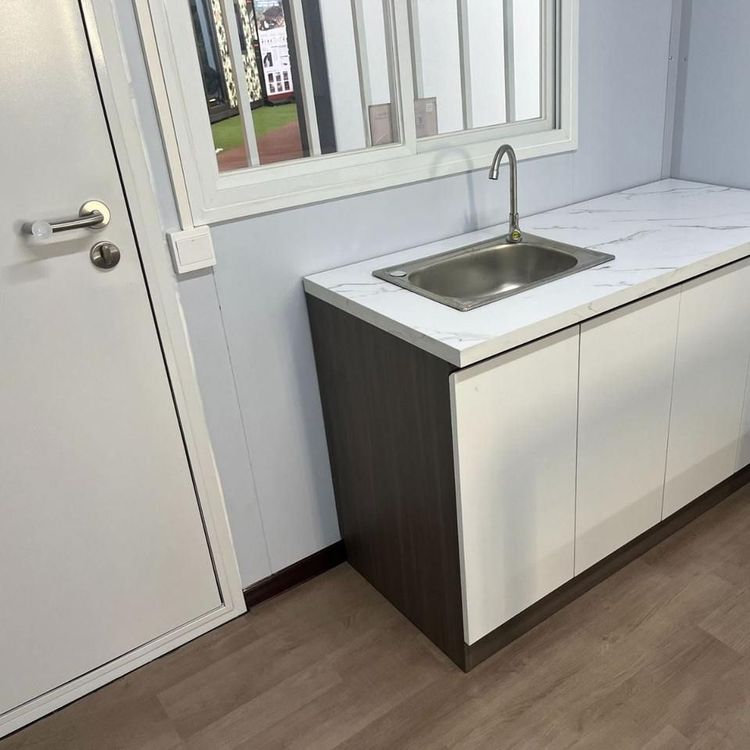
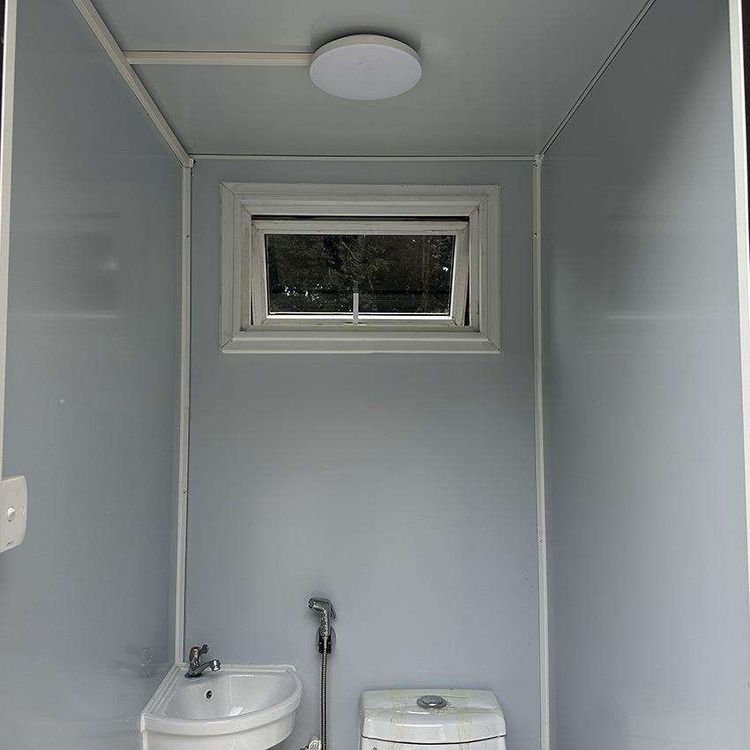
Prefabricated House Transport to Hong Kong
Transporting prefabricated houses to Hong Kong requires professional logistics solutions to address challenges in transportation, customs clearance, warehousing, delivery, and installation, leveraging industry advantages to meet market demand.

1. Transportation Challenges and Solutions
Prefabricated houses, due to their large size, heavy weight, and irregular shapes, require professional securing and protection during transportation. Shock-absorbing materials should be used to wrap the edges to prevent damage from collisions during transit. Vehicle models compliant with Hong Kong regulations should be selected, and routes should be planned in advance to avoid peak traffic hours. For example, oversized prefabricated components require low-bed trailers for transportation, and special transit permits must be obtained.
2. Customs Clearance and Warehousing Process
Upon arrival in Hong Kong, prefabricated houses must go through customs clearance procedures at ports such as Yantian and Shekou, followed by transfer to warehouses or direct delivery to construction sites. During customs clearance, it is essential to ensure all documents are complete and comply with Hong Kong import regulations. Oversized cargo requires prior coordination of port resources to avoid delays. For instance, a 431-ton prefabricated house was transferred using a low-bed trailer and installed on the same day, demonstrating process efficiency.
3. Warehousing Management Requirements
Prefabricated houses have strict storage environment requirements, needing protection from moisture, high temperatures, and collisions. Professional warehouses are equipped with moisture-proof mats, dedicated shelving, and monitoring systems to ensure the goods remain intact during storage. For example, Guangdong Alu House Technology Co., Ltd. ensures the quality of prefabricated houses exported to Hong Kong through standardized warehousing management.
4. Delivery and Installation Optimization
Construction sites in urban areas of Hong Kong have strict traffic restrictions, requiring delivery vehicles to comply with relevant regulations. Some companies adopt a "night delivery + small vehicle relay" model to address daytime traffic limitations. For example, nighttime transportation reduces congestion, and small vehicles complete the final delivery segment, ensuring timely arrival and installation of prefabricated houses at construction sites.
5. Industry Advantages and Cost Control
Professional logistics companies reduce per-shipment transportation costs through large-scale operations, such as integrating return trip resources in the Greater Bay Area to minimize empty runs. Additionally, from transportation insurance to contingency plans, professional teams can proactively identify risks and minimize losses through standardized operating procedures. For example, in the first four months of 2026, Guangdong Alu House Technology Co., Ltd.'s exports of prefabricated houses to Hong Kong reached RMB 160 million, surpassing the total for the previous year, reflecting market recognition of professional logistics.
6. Market Applications and Demand Growth
Demand for prefabricated houses in Hong Kong continues to grow, primarily for major public welfare projects. In 2026, the widespread application of prefabricated houses in public housing, hospitals, and other sectors drives logistics industry optimization. For example, export data from Guangdong Alu House Technology Co., Ltd. reflects market demand for efficient and reliable transportation solutions.