
Prefabricated House Standards
Prefabricated house standards cover various aspects including domestic standards, specific regional standards, international trade standards and practices, as well as contract-agreed standards.
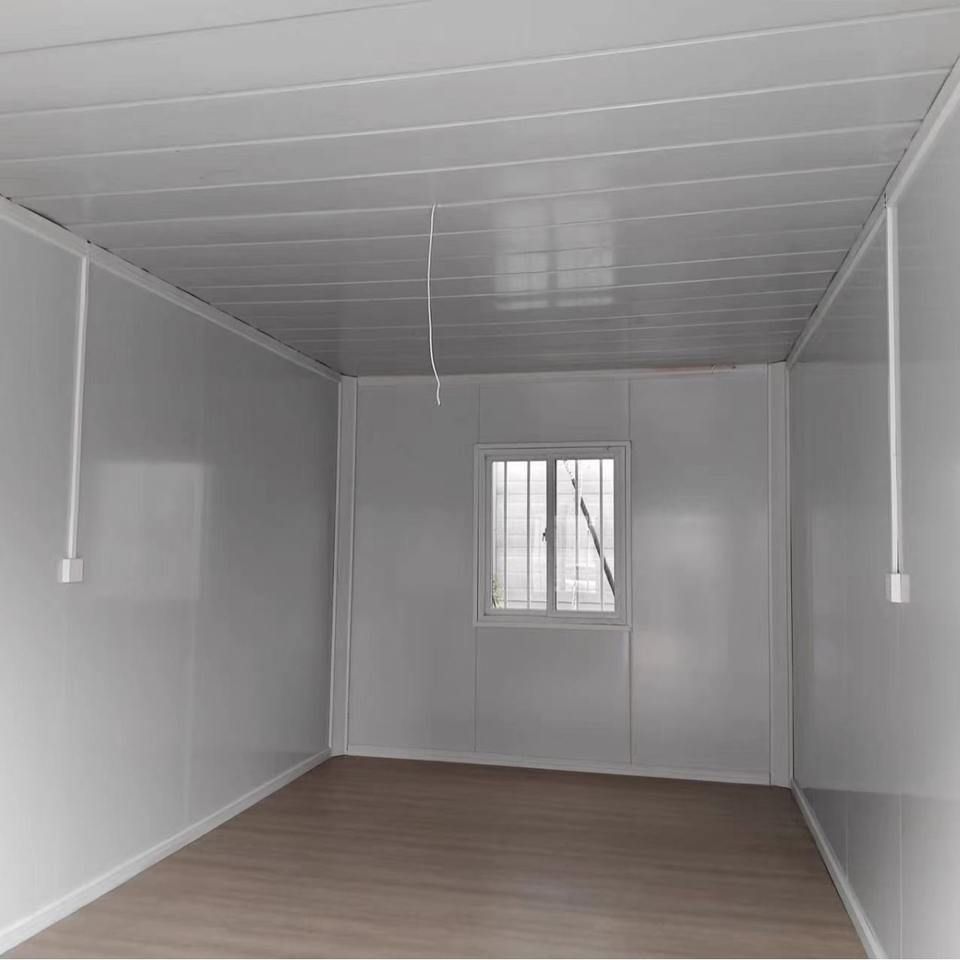
Regarding domestic standards, there are general technical conditions and mandatory standards. General technical conditions, such as the General Technical Conditions for Prefabricated Assembled Concrete Building Components, specify terms and definitions, basic requirements, raw materials, manufacturing, acceptance, marking, storage, and transportation. These conditions apply to prefabricated assembled concrete building components produced by various processes, and other prefabricated components for building construction can refer to them. Mandatory standards, in accordance with the Standardization Law of the People's Republic of China, must be implemented. Prefabricated houses need to pass relevant inspections to ensure compliance with domestic mandatory standards. Meanwhile, the Law of the People's Republic of China on Import and Export Commodity Inspection also stipulates that imported and exported commodities should meet the mandatory requirements of national technical specifications.
For specific regional standards, taking Shandong Province as an example, the Technical Guidelines for the Construction of Prefabricated Rural Houses in Shandong Province have been issued. These guidelines clarify the definition and construction principles of prefabricated rural houses, namely modern functionality, structural safety, cost-effectiveness, environmental friendliness, and harmonious appearance. In terms of structural systems, various systems such as the prefabricated concrete shear wall structural system are defined, along with detailed design and construction specifications. Regarding material requirements, it is necessary to adapt to local conditions and use local materials, select green and economical or recyclable building materials, give priority to local building materials, and prohibit the use of high-energy-consuming and excessively polluting materials.
In terms of international trade standards and practices, if prefabricated houses are exported and the destination country has established relevant standards that differ from domestic standards, it is usually necessary to meet the requirements of the destination country's standards, especially when it comes to mandatory requirements related to safety, health, and environmental protection, which have priority. When the destination country's standards are unclear, the Law of the People's Republic of China on Import and Export Commodity Inspection allows for inspection with reference to relevant foreign standards designated by the national commodity inspection department.
Regarding contract-agreed standards, the contract is an important basis for determining the standards for exported prefabricated houses. If the contract clearly specifies the applicable standards, both parties should strictly follow the contract. When the contract is not clear, the applicable standards can be determined through supplementary agreements, trade practices, or statutory rules for unclear quality in accordance with relevant laws. However, the mandatory standards of the destination country have priority and cannot be excluded through contract selection.