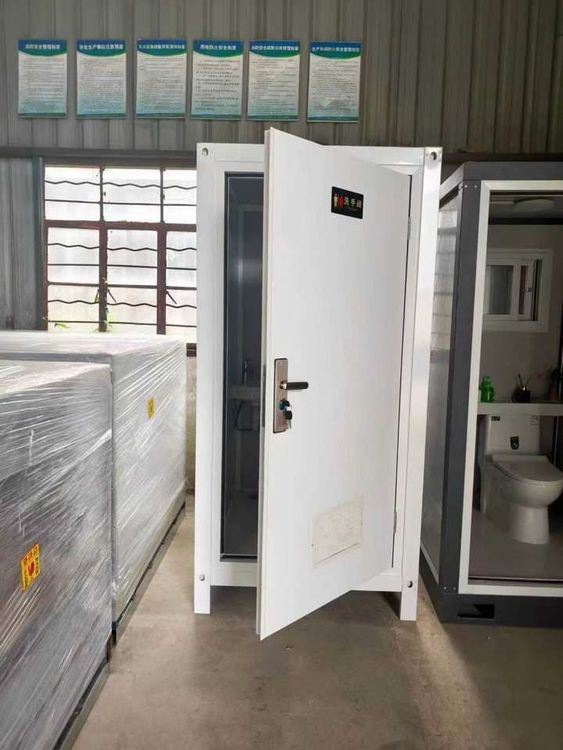
Reasons for Poor Sound Insulation in Prefabricated Houses
The main reasons for poor sound insulation in prefabricated houses include structural joint methods, architectural layout design, and floor material properties.

1. Joint Structure Leads to Insufficient Overall Sound Insulation Performance Prefabricated houses are typically constructed by joining prefabricated concrete panels or other lightweight materials, often using mechanical fastening or simple joints. This type of structure tends to form gaps or weak points at the joints, allowing sound to penetrate directly through the gaps or transmit through structural vibrations. Traditional buildings often use monolithic pouring or brick masonry structures, which have high material density and strong continuity, effectively blocking sound transmission. In contrast, the modular design of prefabricated components struggles to achieve the same level of airtightness and sound insulation. Additionally, some prefabricated panels may use lightweight materials to reduce costs, which inherently have weaker sound insulation properties compared to solid concrete or masonry, further exacerbating sound insulation issues.
2. Architectural Layout Design Exacerbates Noise Transmission In modern high-rise residential buildings, developers often adopt a “one elevator, multiple households” design to improve space utilization, resulting in functional areas such as kitchens and bathrooms being located close to neighbors. For example, bathrooms in adjacent units may be separated by only one wall, and when pipes are concentrated, sounds from water flow or flushing can easily transmit through the walls or pipes. At the same time, areas like living room balconies are often designed as open or semi-open to meet ventilation needs, and when located close to neighbors' balconies, air circulation also reduces sound insulation effectiveness. This layout design causes sound to reflect and superimpose in confined spaces, creating a “sound amplification effect” and further weakening sound insulation performance.
3. Floor Material Properties Cause Low-Frequency Noise Transmission In modern buildings, floors are often made of reinforced concrete or composite materials. While their thickness and density can meet load-bearing requirements, they offer limited blocking of low-frequency noise (such as footsteps or furniture dragging sounds). When occupants on upper floors walk in high heels, children play with skateboards, or heavy objects are moved, the floor vibrates, and this vibration transmits directly to the lower floors through solid-borne sound, forming “structural sound transmission.” In traditional buildings, thick floors or the use of sound insulation pads can effectively absorb vibration energy, whereas floors in prefabricated houses are usually thinner and lack sound insulation layer design, making low-frequency noise more likely to penetrate into lower spaces.
In summary, addressing sound insulation issues in prefabricated houses requires comprehensive improvements in structural optimization, layout adjustment, and material upgrades, such as enhancing joint sealing, adding sound insulation layers, or adopting floating floor technology.