
Prefabricated House Rock Panel Mold
There is currently no direct definition for 'prefabricated house rock panel mold', but its technical characteristics and application directions can be analyzed through the combination of digital mold rock panel technology and PPVC/3D prefabricated house molds.
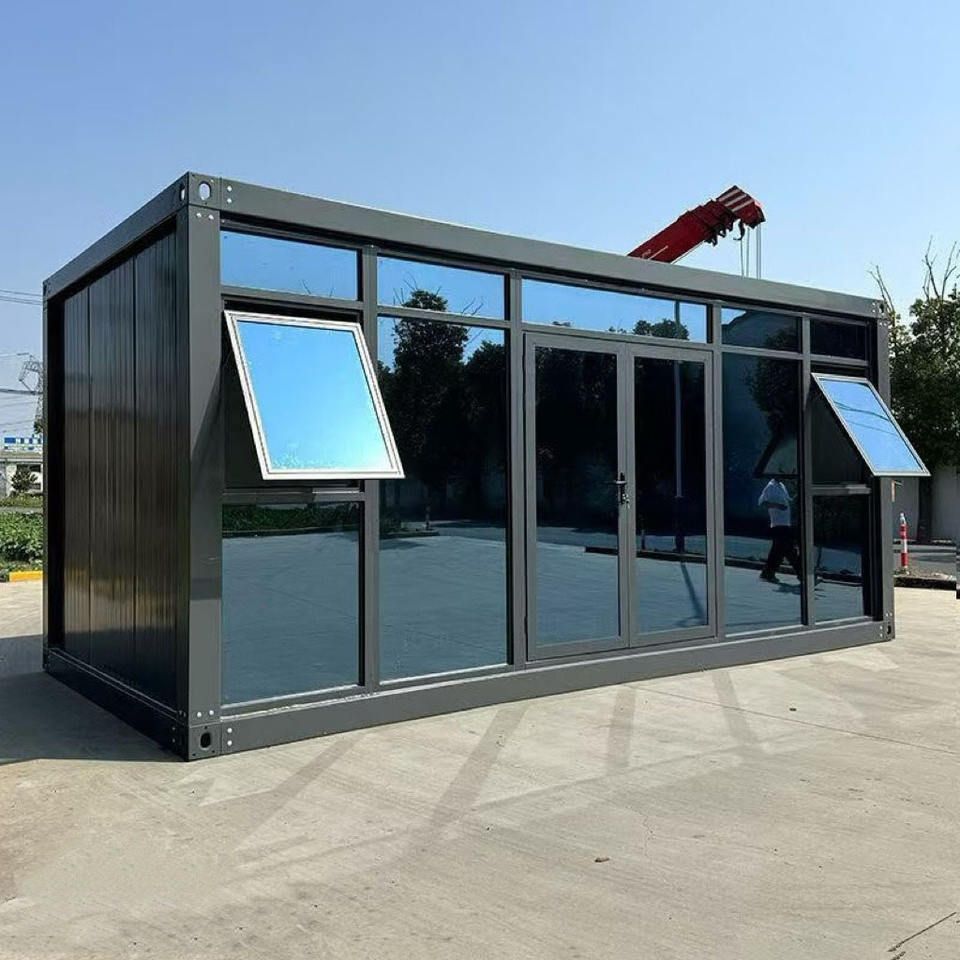
1. Technical Composition: Integration of Digital Mold Rock Panel Technology and Modular Molds
Digital mold rock panel technology achieves the coexistence of texture and three-dimensional texture through 3D digital synchronous molding processes. Its core lies in replicating the particles, cracks, and natural undulations of natural stone with 0.1mm-level precision, enabling the rock panel surface to possess realistic texture, warm touch, and dynamic light and shadow effects. Such processes are typically applied in high-end home decoration scenarios, such as background walls and countertops, requiring high-density, scratch-resistant, and durable substrates to meet long-term usage demands.
PPVC (Prefabricated Modular Building) molds adopt a steel structure and achieve precise molding of modular buildings through integral molding, assembly-type, or slide-track designs. Their advantages include reusability for 200-300 times and support for efficient construction, making them suitable for rural self-built houses, temporary housing on construction sites, and other scenarios. Fully automated 3D prefabricated house molds (such as the Fezhm brand) further incorporate hydraulic systems to achieve automated mold opening and closing, enabling the operation of molds for two rooms per day within a time frame of less than 3 minutes, significantly enhancing construction efficiency.
2. Application Scenarios: Cross-Demand for High-End Rock Panels and Modular Buildings
Applying digital mold rock panel technology to the prefabricated housing sector requires addressing two major technical integration challenges:
- Material Adaptability: Rock panels must meet the load-bearing, waterproofing, and weather resistance requirements of modular buildings, potentially necessitating adjustments to substrate formulations or the addition of structural reinforcement layers.
- Mold Design Optimization: Combining the modular characteristics of PPVC molds, design split-type or adjustable molds compatible with rock panel texture molding to accommodate the needs of building modules of different sizes.
3. Technical Challenges and Development Directions
The current technical bottleneck lies in balancing the high-precision texture of rock panels with the rapid construction demands of modular buildings. Possible future development directions include:
- Developing an integrated digital mold system that synchronizes rock panel texture molding with building module casting, reducing secondary processing steps;
- Optimizing mold materials (such as high-strength composite steel) to extend service life to over 500 times, lowering the cost per use;
- Introducing AI-assisted design to automatically generate optimal rock panel texture layouts based on building module dimensions, improving material utilization.
Currently, no standardized products specifically tailored for 'prefabricated house rock panel molds' exist in the industry. However, by integrating digital mold rock panel technology with modular mold technology, novel solutions that combine aesthetics and functionality can be explored.



