Prefabricated House Reference: Must-See
There are various types of prefabricated houses, and the choice should be made by comprehensively considering factors such as purpose, cost, performance, and policies. The following is an analysis of the characteristics, applicable scenarios, and development trends of different types of prefabricated houses:

1. Prefabricated Panel Houses: Historical Products, Mainly for Renovation
Prefabricated panel houses use factory-made cement components (solid or hollow) as their main structure. They originated in the early 20th century, and many residential buildings constructed in China before 1985 adopted this structure. The core issues with these houses are weak earthquake resistance and poor sound and heat insulation performance, with a service life of about 30-50 years. Since 2022, China has implemented a policy of urban renewal, focusing on repairing and renovating prefabricated panel houses and only demolishing buildings that meet the criteria for dangerous structures. Therefore, these houses are more suitable as temporary transitional housing or for meeting basic living needs through reinforcement and renovation. However, long-term use requires a careful assessment of structural safety.
2. Cement Panel Houses: Representatives of Modularization and Rapid Assembly
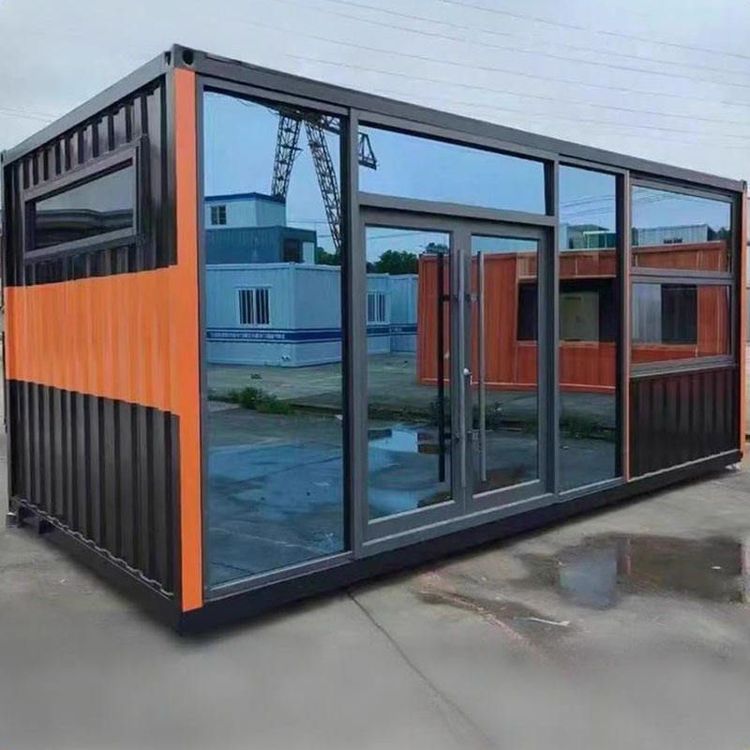
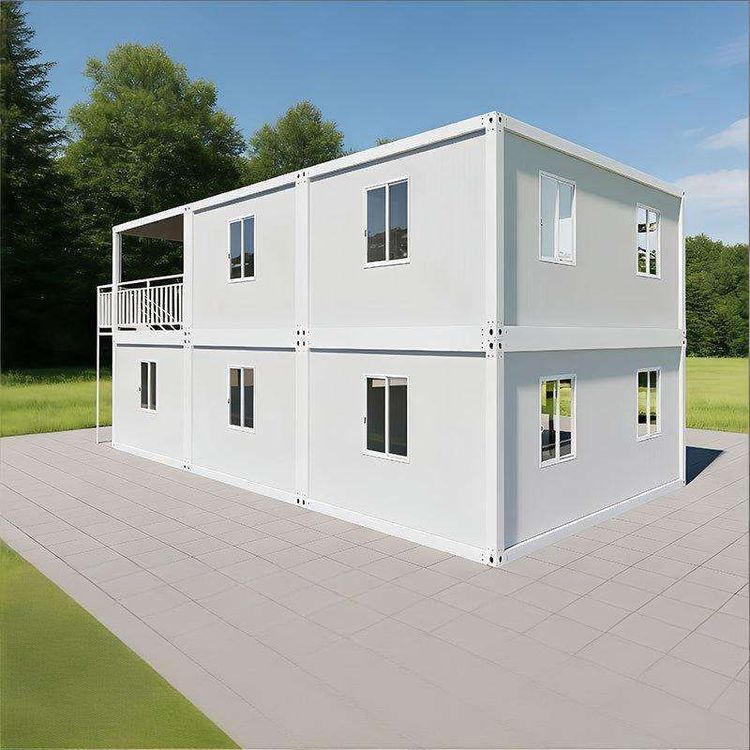
Cement panel houses are made primarily of reinforced concrete and are formed through an integrated casting process. They have characteristics such as structural stability and moisture resistance, and are widely used in scenarios such as factories, dormitories, and shops. Their core advantages lie in modular design and rapid assembly capabilities, allowing for customization of area and number of floors while considering load-bearing capacity and durability. When selecting a model, it is important to focus on parameters such as thickness, weight, and area customization. For surface treatment, electrostatic spraying is recommended to enhance corrosion resistance. These houses are suitable for projects that require high construction efficiency and rapid commissioning, such as temporary office spaces or industrial supporting buildings.
3. Prefabricated Cement Houses: A New Choice for Rural Self-Built Houses
Traditional brick-and-mortar structures have issues such as walls prone to alkali formation, peeling paint, rising labor costs, and inconsistent construction quality. Prefabricated cement houses, on the other hand, significantly shorten the construction period (usually only a few days to a few weeks) through factory-standardized production and are not affected by harsh weather conditions. For example, the products of Shandong Haofangzi Rural Villa Building Materials Technology Co., Ltd. cover types such as rural self-built houses, villas, and courtyard walls, with a service network covering Zibo and surrounding areas. These houses are suitable for rural areas, especially for users with high demands for construction efficiency, cost control, and construction quality stability.
4. Modular and Prefabricated Residences: Advantages in the Context of Globalization
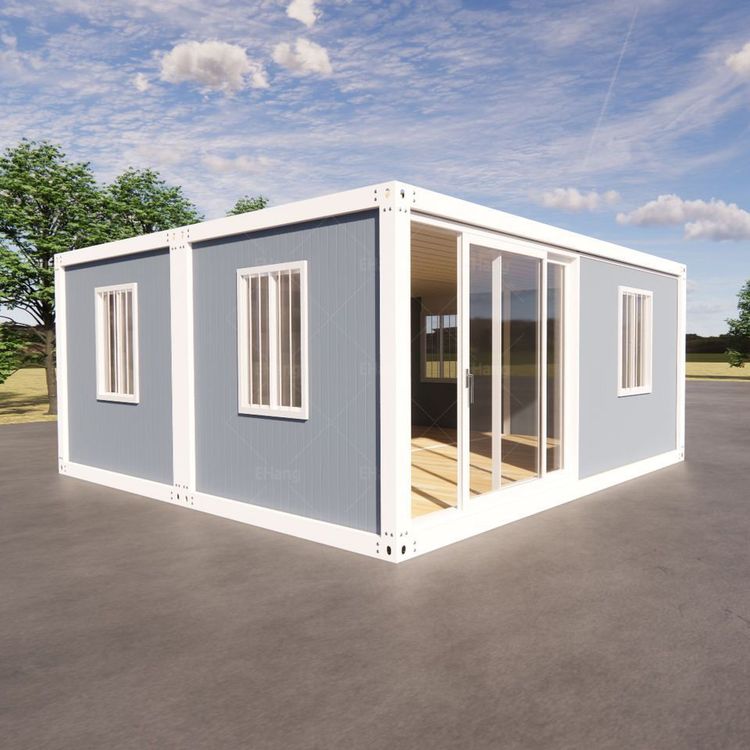
Modular prefabricated residences achieve advantages such as cost savings, shortened construction time, improved design flexibility, quality control, energy efficiency, and mobility through industrial production. For example, the VDC project in Portugal used the "Gomos system" to construct a mixed-use development project, demonstrating the potential of prefabricated houses in terms of design flexibility and cost-effectiveness. These houses are suitable for users with high demands for environmental protection, efficiency, and personalized design, especially for scenarios such as tourist resorts and emergency housing.