Do Prefabricated Houses Have Property Certificates?
Whether a prefabricated house has a property certificate depends on whether it is legally constructed and complies with relevant laws, regulations, and property registration requirements. This can be divided into the following two scenarios:
I. Scenarios Where a Property Certificate Can Be Obtained A legally constructed prefabricated house can obtain a house ownership certificate or real estate ownership certificate if it meets the following conditions:
- Land Legitimacy: The house is built on legally acquired land with clear and undisputed land ownership, and the land use complies with planning requirements. For example, the construction land use rights are obtained through transfer or allocation, or collective construction land is used for residential construction after legal approval.
- Planning and Construction Compliance: The house construction complies with requirements such as the overall urban plan and regulatory detailed plans, without exceeding land use boundaries or building height limits. Additionally, the architectural structure, fire protection, earthquake resistance, and other designs meet national mandatory standards and pass quality inspections by the housing and construction department.
- Complete Procedures: Developers must possess real estate development qualifications and complete the entire process of project approval, land use approval, engineering planning permits, construction permits, and completion acceptance filings. For self-built houses by individuals, a rural construction planning permit (in rural areas) or a construction engineering planning permit (in urban areas) is required.
- Property Registration Application: After the house is completed, the right holder must submit materials such as land ownership certificates, construction engineering planning permits, completion acceptance filings, and house surveying reports to the real estate registration authority. Property registration is processed after approval.
II. Scenarios Where a Property Certificate Cannot Be Obtained If a prefabricated house has the following issues, it does not meet property registration conditions:
- Illegal Construction: Such as unauthorized construction without approval, exceeding the permitted area, changing land use (e.g., using industrial land for residential purposes), or occupying prohibited construction areas such as farmland or ecological protection zones.
- Land Ownership Issues: The land has disputes, is under seizure or mortgage without release, or the land transfer fee (for transferred land) has not been legally paid, or investment and development requirements (e.g., not reaching 25% investment intensity) have not been met.
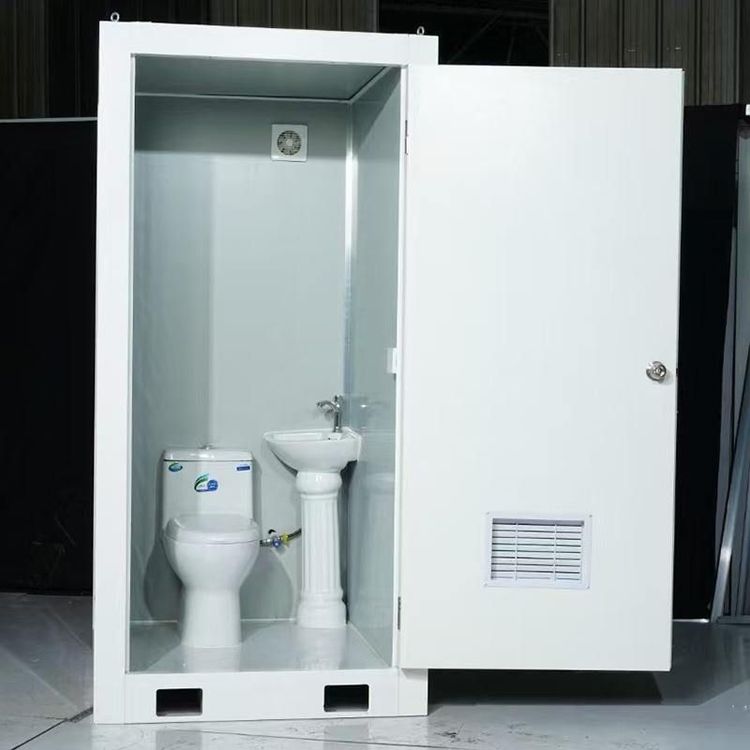
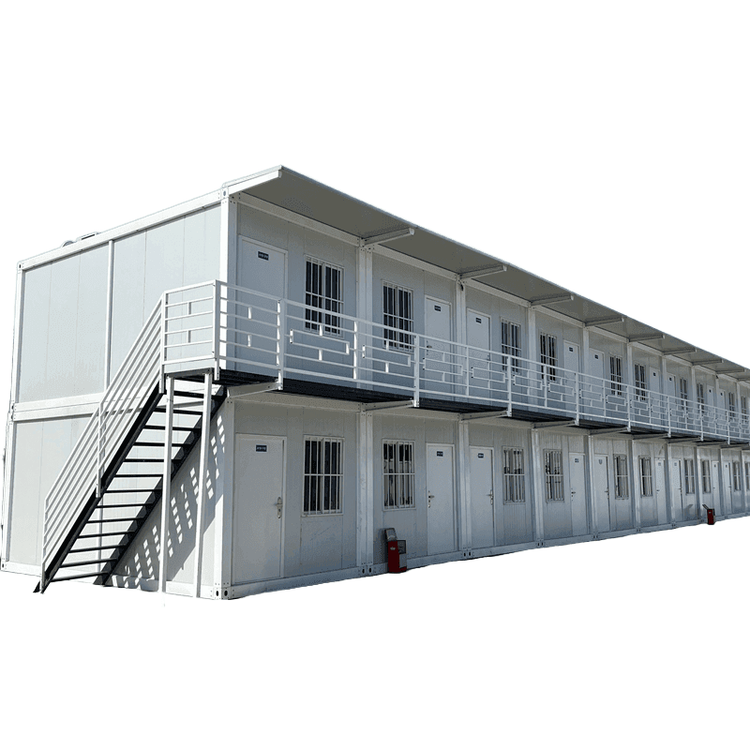
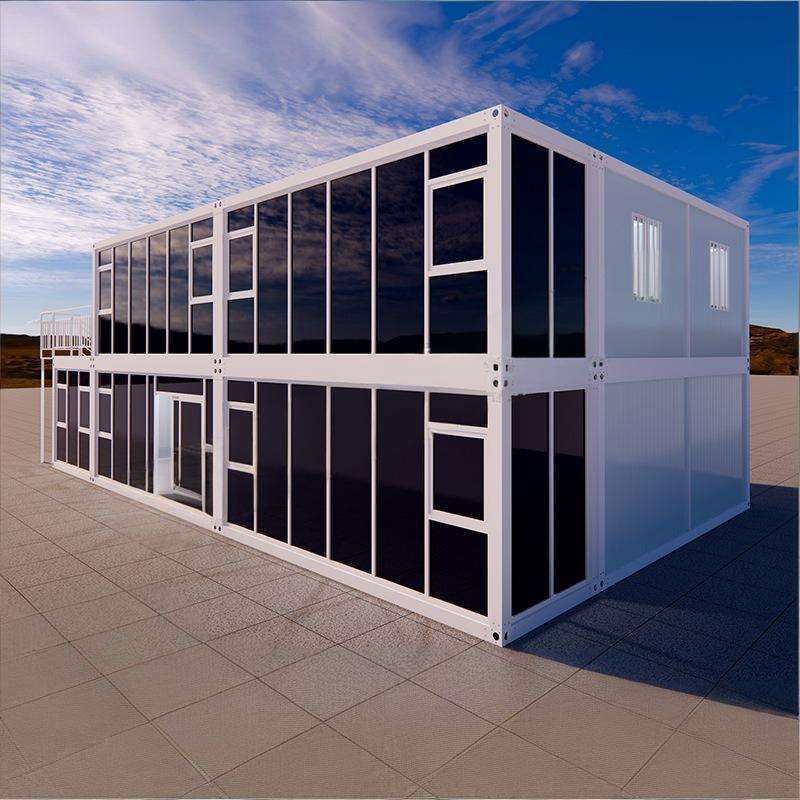
- Temporary Building Nature: Temporary structures without procedures such as land use, project approval, application submission, drawing review, construction, and construction permit applications, such as on-site movable board houses and exhibition buildings, cannot obtain permanent property rights due to their short-term use nature.
- Historical Legacy Issues: Some early-built prefabricated houses may need to complete property rights through supplementary procedures or payment of fines due to policy gaps or incomplete procedures; otherwise, they still cannot be registered.
Summary: The key to whether a prefabricated house can obtain a property certificate lies in its construction legitimacy, land ownership clarity, and procedural completeness. Homebuyers or builders should confirm land nature and planning permits before construction and strictly follow approval procedures to safeguard their property rights.