
Prefabricated House Plastic Formwork
Prefabricated house plastic formwork is an energy-saving and environmentally friendly building material made from polyvinyl chloride (PVC), polypropylene (PP), and other raw materials through an extrusion molding process, suitable for the construction of prefabricated houses.
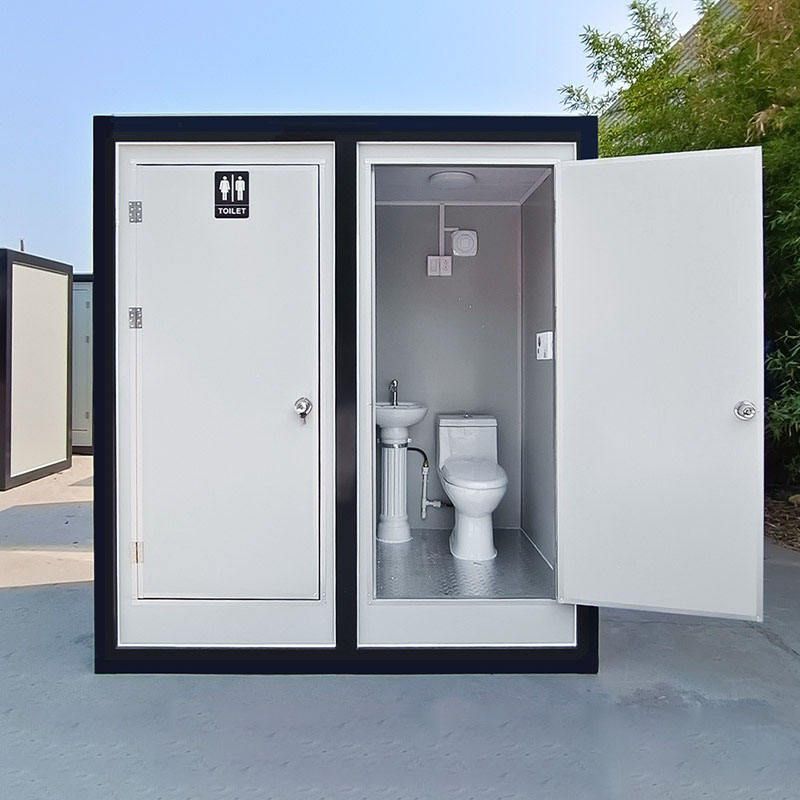
I. Material Characteristics Prefabricated house plastic formwork uses high-molecular polymers (such as PVC, PP, ABS) as its main raw materials, forming standardized panels through an extrusion process. Its core characteristics include:
- Lightweight and High Strength: With a density only 1/3 to 1/2 that of traditional wooden formwork, it significantly enhances impact resistance and flexural modulus, capable of withstanding lateral pressure during concrete pouring.
- Excellent Durability: It features high surface hardness, wear resistance, and corrosion resistance, maintaining its shape in acidic and alkaline environments over long periods. It can be reused more than 30 times, with some high-performance products exceeding 150 reuses.
- Environmental Adaptability: Designed with a triangular mechanical structure arrangement, it has a low coefficient of expansion, outstanding heat and cold resistance, effectively addressing the warping and deformation issues caused by temperature differences in traditional solid formwork.
II. Structure and Process
- Diverse Types: The products cover various structural forms, including solid panels, hollow panels, and combined ribbed panels. Hollow panels reduce weight and improve thermal insulation through internal cavity design; combined ribbed panels enhance overall rigidity with reinforcing ribs, adapting to the pouring needs of different prefabricated components.
- Processing Flexibility: It supports mechanical processing such as sawing, planing, drilling, and nailing, allowing for quick cutting into any geometric shape. Combined with standardized combined components, it enables modular rapid assembly, significantly shortening the construction period.
III. Application Advantages
- Environmental Benefits: The material is recyclable, reducing construction waste generation and meeting green building standards.
- Economic Efficiency: Although the initial purchase cost is higher than that of wooden formwork, long-term reuse can significantly reduce overall costs, especially suitable for large-scale prefabricated house projects.
- Construction Efficiency: Standardized components and lightweight design reduce labor dependency, and combined with mechanized construction, they can improve on-site work efficiency by more than 30%.
IV. Limitations Currently, publicly available data does not provide specific metrics for the prefabricated house scenario. Indicators such as its high-temperature resistance limit and long-term UV aging performance need to be verified in conjunction with specific product test reports. Additionally, the impact of material brittleness changes on construction safety under extreme low-temperature environments needs to be evaluated.



