PEST Analysis of Prefabricated Houses
The PEST analysis of prefabricated houses is carried out from four dimensions: policy, economy, society, and technology, as follows:
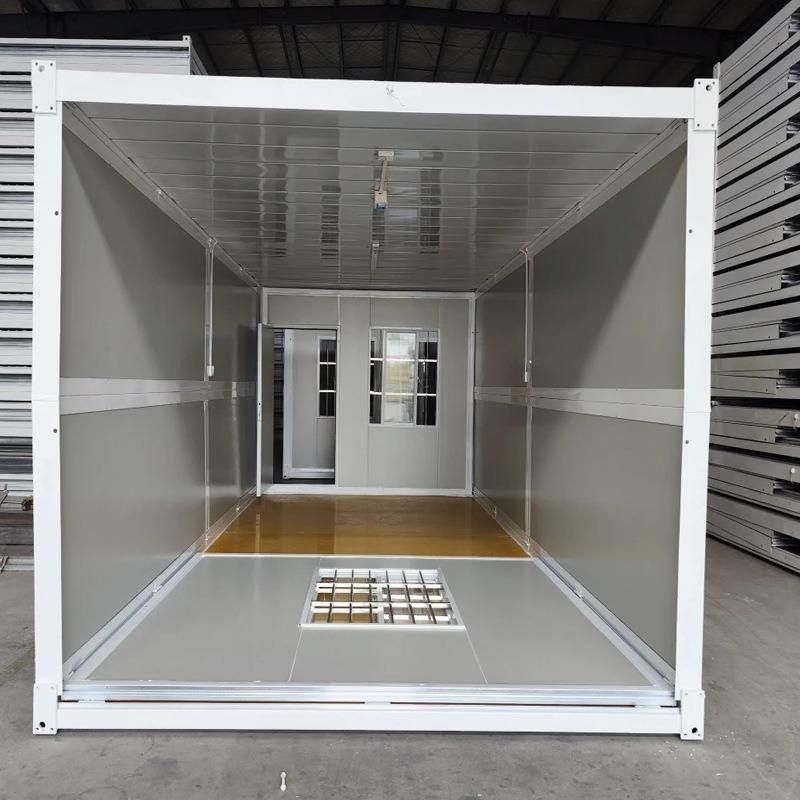
Policy (Political): Government policies and regulations have a significant guiding effect on the prefabricated building market. Supportive policies, such as sustainable building and green building promotion plans, drive the standardized development of prefabricated houses by setting building safety standards, quality requirements, and approval processes. For example, prefabricated building projects need to obtain building permits, and manufacturers must comply with quality control standards and environmental protection regulations (such as waste disposal and energy efficiency requirements). These regulations not only ensure the healthy development of the industry but also raise the market entry threshold. The strictness of regulatory policies prompts enterprises to optimize their production processes to meet compliance requirements, thereby indirectly promoting technological upgrades and industrial upgrades.
Economy (Economic): The macroeconomic environment directly affects the market demand for prefabricated houses. Economic growth and real estate market activity are the core driving factors. Taking China as an example, in 2024, the market size of prefabricated assembled houses reached 185 billion yuan, a year-on-year increase of 15.6%, with a production volume of 120 million square meters, a year-on-year increase of 14.3%. It is expected that the market size will expand to 220 billion yuan in 2025, with a production volume exceeding 140 million square meters. This growth trend is closely related to real estate investment, urbanization progress, and infrastructure construction investment. In addition, interest rate fluctuations and inflation may affect corporate financing costs and consumer purchasing power, thereby having an indirect impact on the market expansion speed.
Society (Social): Changes in social needs and consumer attitudes are important driving forces for the growth of the prefabricated house market. The rise in sustainable building awareness prompts consumers to be more inclined to choose environmentally friendly and energy-efficient residential forms, and prefabricated houses meet this demand due to their standardized production, high resource utilization, and short construction periods. The acceleration of urbanization has led to a shortage of land resources, especially in first-tier cities such as Beijing and Shanghai. In 2024, prefabricated assembled buildings accounted for 30% and 35% of new residential projects in Beijing and Shanghai respectively, reflecting the urgent need for efficient building methods in high-density cities. In addition, demographic changes (such as the demand for age-friendly housing in an aging society) may also drive the development of prefabricated houses towards customization and functionality.
Technology (Technological): Technological innovation is the core engine driving the transformation of the prefabricated house industry. The application of 3D printing technology and modular building technology enables the rapid manufacturing and flexible combination of building components, shortening the construction period and reducing costs. The research and development of new materials, such as lightweight and high-strength concrete, improve the safety and durability of house structures. The introduction of intelligent production equipment enhances production efficiency and product quality stability through automated assembly lines. The popularization of BIM (Building Information Modeling) technology optimizes the design and construction management process, reduces information errors and resource waste, and significantly improves the overall efficiency of the project. These technological breakthroughs jointly promote the evolution of prefabricated houses towards industrialization and intelligence.