What Does Prefabricated House Mean?
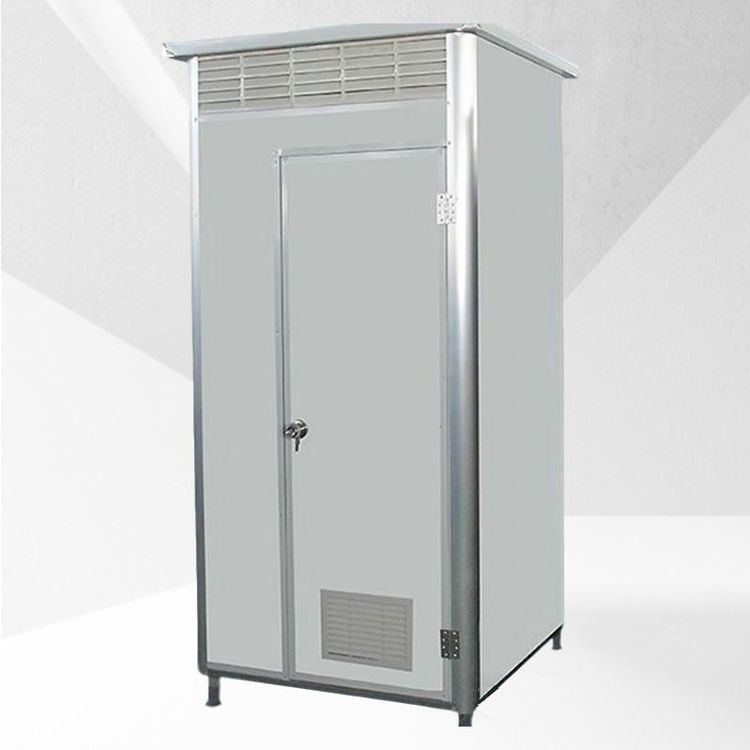
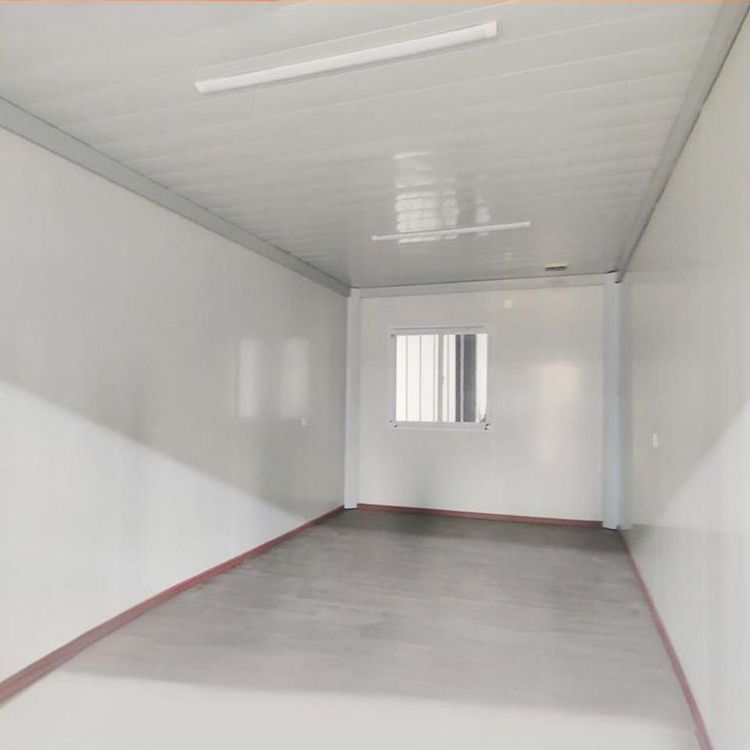
A prefabricated house, also known as a prefabricated assembled building, refers to a building form where building components are industrially produced and then assembled on-site. It is also called a modular building.

From the perspective of construction mode, a prefabricated house breaks down the building into individual independent modules, which are manufactured in a factory and then transported to the construction site for assembly. Specifically, the ceiling, floor, water and electricity pipelines, etc., of the house are all prefabricated on the factory assembly line. For example, walls can be poured and cured in the factory according to precise design dimensions and standards. Water and electricity pipelines are also pre-embedded in the walls or floor slabs in advance. Components such as stairs are also processed and manufactured in the factory. These prefabricated components are like individual "building blocks". After being transported to the site, construction workers only need to precisely assemble them according to the design drawings, just like building with blocks.
In terms of process characteristics, essentially, the walls, stairs, and even entire rooms of the house are all prefabricated in the factory in advance. In the factory, there are advanced production equipment and a strict quality control system, which can ensure the production accuracy and quality stability of the components. Moreover, factory production is not affected by natural factors such as weather and can be carried out efficiently and continuously. After being transported to the construction site, they are directly hoisted and assembled. 90% of the processes are completed in the workshop, and only the final node connections need to be made on-site. For example, operations such as welding, bolt connection, or concrete pouring are required at the connection parts between components to ensure the structural safety and stability of the entire building.
The construction method of prefabricated houses has many advantages. It significantly shortens the construction period because the on-site construction time is greatly reduced. It improves building quality as factory production ensures the accuracy and quality of the components. It also reduces environmental pollution and noise interference caused by on-site construction, which is in line with the development concept of green buildings.