Meaning of Prefabricated House
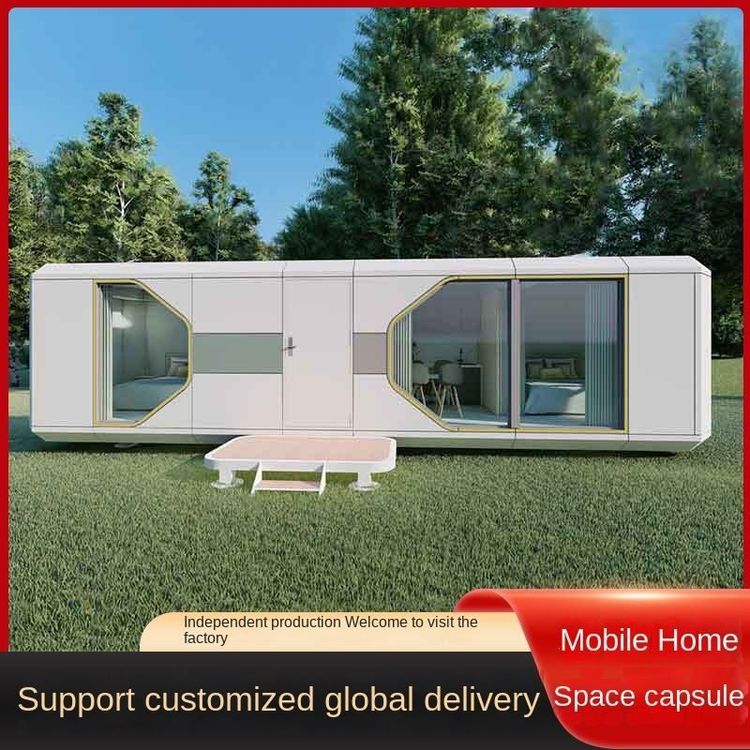
A prefabricated house is a form of construction where building components are industrially produced and then assembled on-site, also known as modular construction. Specifically, it has the following characteristics:
Industrial Production of Building Components
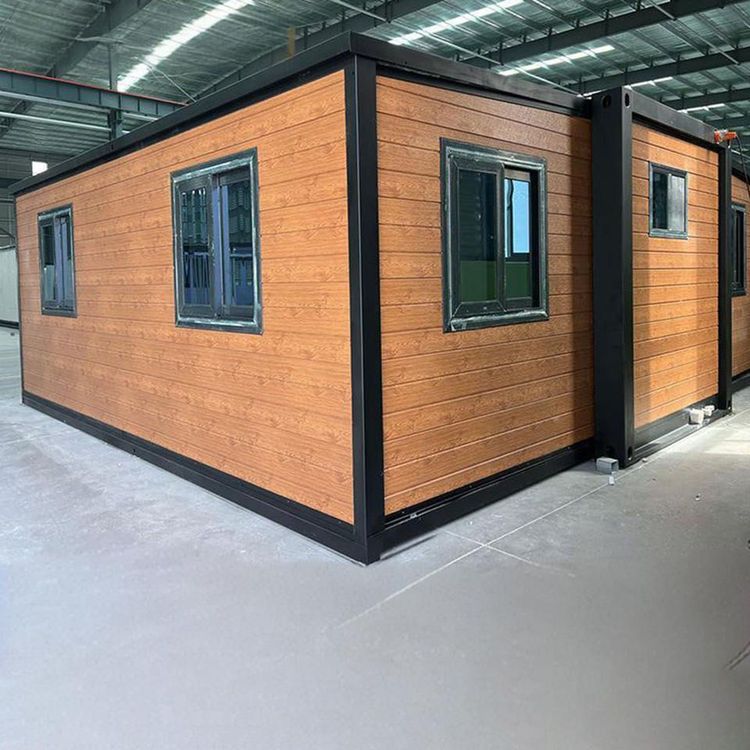
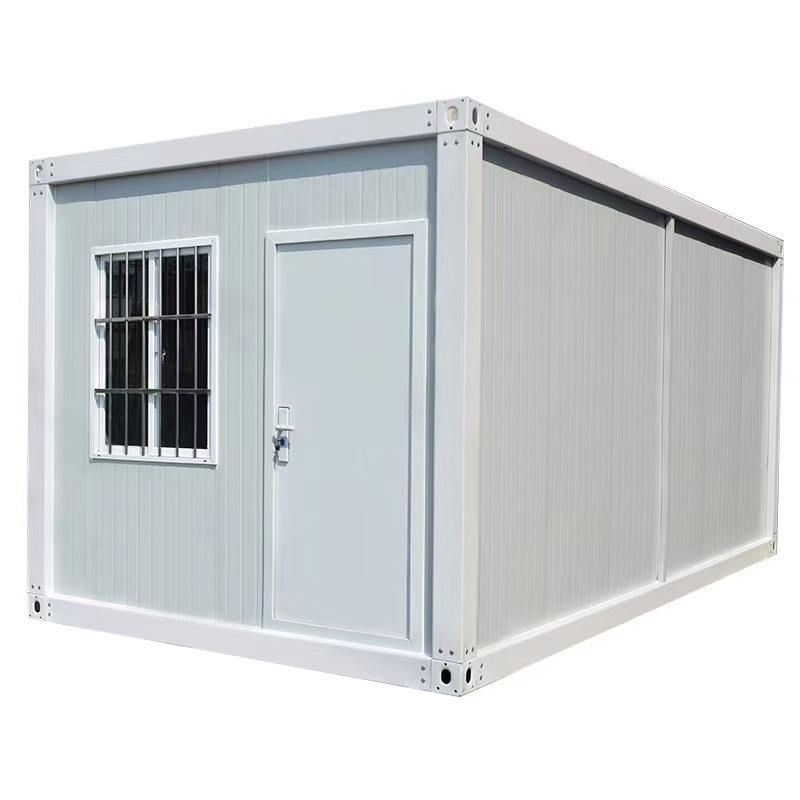
Prefabricated houses break down the building into individual modules, such as ceilings, floors, walls, and plumbing and electrical lines. These modules are standardized and mass-produced on an assembly line in a factory. Factory production offers numerous advantages, ensuring the quality stability and precision of components. In a factory environment, production processes can strictly control conditions like temperature and humidity, reducing the impact of external factors on component quality. Moreover, factories employ advanced production equipment and techniques to precisely control the dimensions and shapes of components, ensuring each one meets design requirements. For example, wall modules can have insulation and soundproofing materials installed in one go in the factory, enhancing building performance.
On-site Assembly Construction Model
Once produced, the building components are transported to the construction site and assembled into shape. This construction model significantly shortens the construction period. Traditional construction methods require a large amount of wet work on-site, such as concrete pouring and bricklaying, which are greatly affected by weather and environmental factors, making it difficult to guarantee construction progress. In contrast, the on-site assembly of prefabricated houses mainly involves dry work, which is less affected by external factors and enables rapid completion of building construction. At the same time, on-site assembly reduces construction waste and dust pollution at the construction site, making it more environmentally friendly and energy-efficient.
Overall Advantages are Significant
The modular design of prefabricated houses gives buildings high flexibility and scalability. If the layout of the building needs to be changed or additional space is required, modules can be easily disassembled and reassembled. Additionally, since components are produced in a factory, resources can be utilized intensively, reducing construction costs. Furthermore, the quality of prefabricated houses is easier to guarantee, reducing the workload of post-construction maintenance and repairs.