Back to blog
Article
Prefabricated House Loading Effect Drawing
Admin September 18, 2026
Currently, there are no directly available prefabricated house loading effect drawings, but relevant image references and loading key points can be obtained through the following channels:
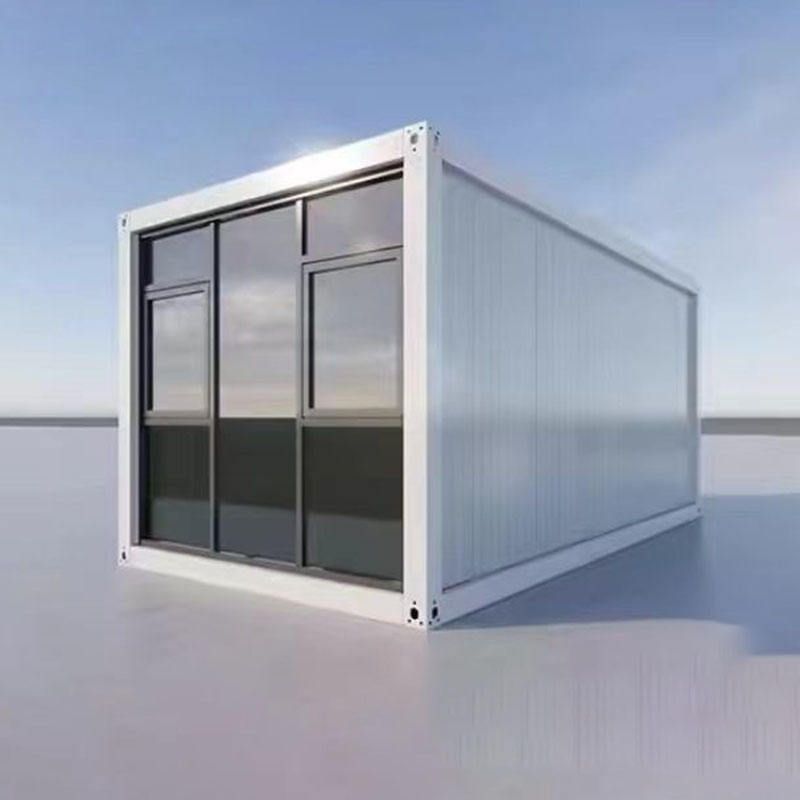
Ways to Obtain Effect Drawings
- Professional architectural websites and platforms: Well-known professional architectural websites such as ArchDaily and Goooddesign.net share a large number of prefabricated house project cases. By searching for keywords like 'prefabricated house' and 'modular house' on these websites, you can find projects that include an introduction to the loading process. Some of these projects are accompanied by detailed loading effect drawings, showing how house modules are loaded into transport containers and the overall appearance and layout after loading.
- Official websites of prefabricated house manufacturers: Many prefabricated house manufacturers display product information and project cases on their official websites. By visiting these websites and looking for the product display or case-sharing sections, you may find loading effect drawings. Manufacturers usually showcase the loading methods of different types of prefabricated houses to highlight the transportation convenience and design rationality of their products.
- Design software and model libraries: Use architectural design software such as SketchUp and 3D Max, or visit model libraries like TurboSquid and Sketchfab to search for prefabricated house-related models. Some models include loading scenarios, and effect drawings can be rendered using the software. This approach allows you to adjust model parameters according to your personal needs to generate effect drawings that better meet your expectations.
Key Points for Loading Prefabricated Houses
- Module size matching: Before loading, accurately measure the internal dimensions of the transport container to ensure that the dimensions of the prefabricated house modules match. Modules that are too large may not fit into the container, while those that are too small may shake inside the container during transportation, increasing the risk of damage.
- Fixing and protection: After the modules are loaded into the container, use professional fixing devices to firmly secure them to prevent movement during transportation. At the same time, add protective materials such as foam boards and rubber pads at the contact points between the modules and the container, as well as between the modules themselves, to avoid collision damage.
- Ventilation and moisture protection: Install ventilation openings or ventilation equipment inside the container to maintain air circulation and prevent the prefabricated house modules from getting damp. For parts that are prone to moisture damage, take additional moisture protection measures, such as wrapping them with moisture-proof film.
Related