
Live Video of Prefabricated Houses in Hainan - Translation
Currently, there is no specific information directly targeting 'live videos of prefabricated houses in Hainan,' but the construction mode of prefabricated houses typically involves prefabrication in factories followed by on-site assembly. Here is some relevant科普 (popular science) content:
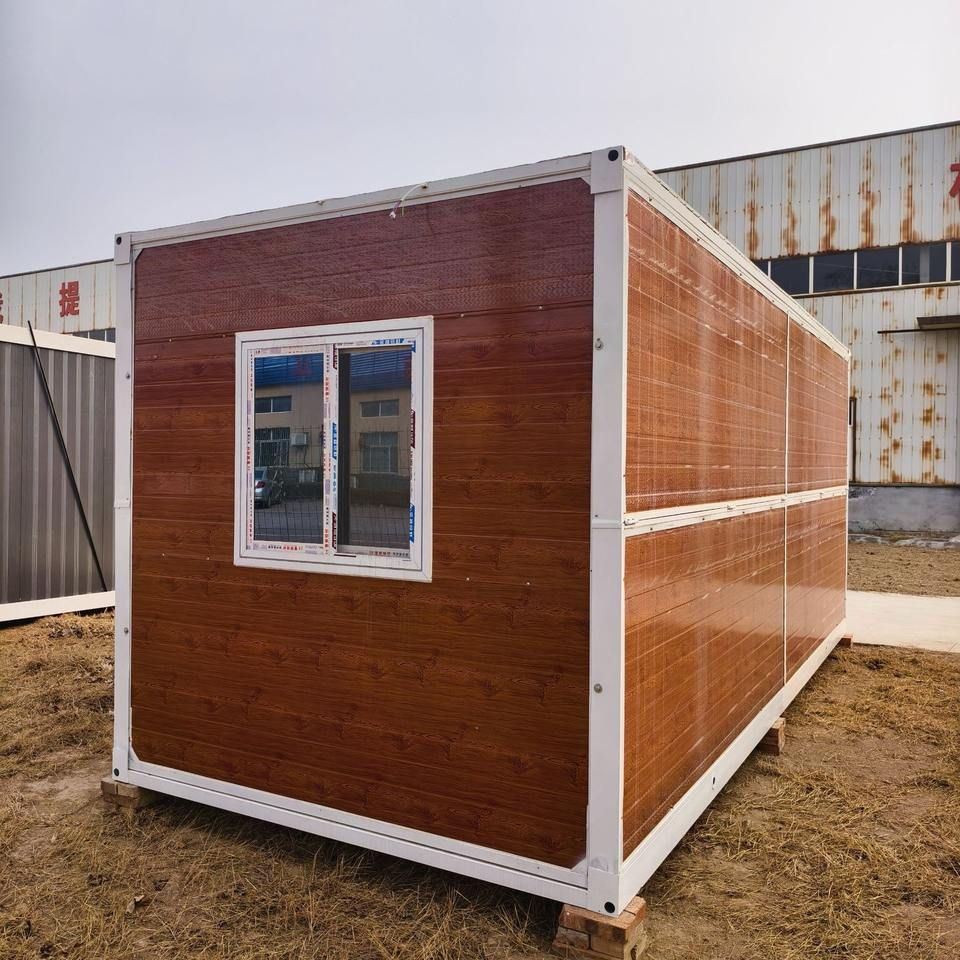
Prefabricated houses represent a modern construction model, with the core concept being the prefabrication of some or all components of the house in a factory, followed by transportation to the construction site for assembly. This construction method is gradually being applied in regions like Hainan, offering advantages such as efficiency, environmental friendliness, and quality control.
1. Factory Prefabrication, On-Site Assembly Components of prefabricated houses, such as walls, floors, and stairs, are all produced through standardized processes in factories. This model is similar to an 'industrial assembly line,' ensuring the dimensional accuracy and quality stability of each component. For example, components of prefabricated steel-structure houses, once prefabricated in factories, can be directly transported to the site for assembly, significantly shortening the construction period. Modular houses take this a step further by prefabricating entire rooms or functional modules in factories, which only need to be joined and fixed on-site to form complete building spaces.
2. Shortened Construction Period, Enhanced Efficiency Compared to traditional on-site pouring construction methods, the factory-based production model of prefabricated houses allows for parallel operations, meaning that while components are being produced in the factory, foundation construction can proceed on-site. This parallel operation significantly shortens the overall construction period. Taking prefabricated steel-structure houses as an example, their construction period can be 30% to 50% shorter than that of traditional buildings, making them particularly suitable for projects with high time requirements, such as temporary housing and tourist resort facilities.
3. Quality Control, Environmental Protection, and Energy Efficiency The factory production environment enables strict control of conditions such as temperature and humidity, avoiding the impact of weather on on-site construction and thus ensuring component quality. Additionally, the construction process of prefabricated houses reduces on-site wet operations (such as concrete pouring), lowering dust and noise pollution, aligning with the development trend of green buildings. The prefabricated components of modular houses can also use environmentally friendly materials, further enhancing the sustainability of the buildings.
4. Wide Range of Application Scenarios The flexibility and efficiency of prefabricated houses make them suitable for various scenarios, including residential buildings, commercial buildings, and public facilities. In popular tourist destinations like Hainan, prefabricated houses can quickly construct vacation villas and homestays to meet market demand. At the same time, their detachable and movable characteristics also make them ideal choices for scenarios such as temporary housing and post-disaster reconstruction.



