
Lightweight Materials for Prefabricated Houses
Lightweight materials for prefabricated houses mainly include galvanized cold-formed thin-walled steel frames, Class A non-combustible thermal insulation core materials, lightweight partition materials, sandwich panel materials, and other lightweight panels. Here is a detailed introduction:
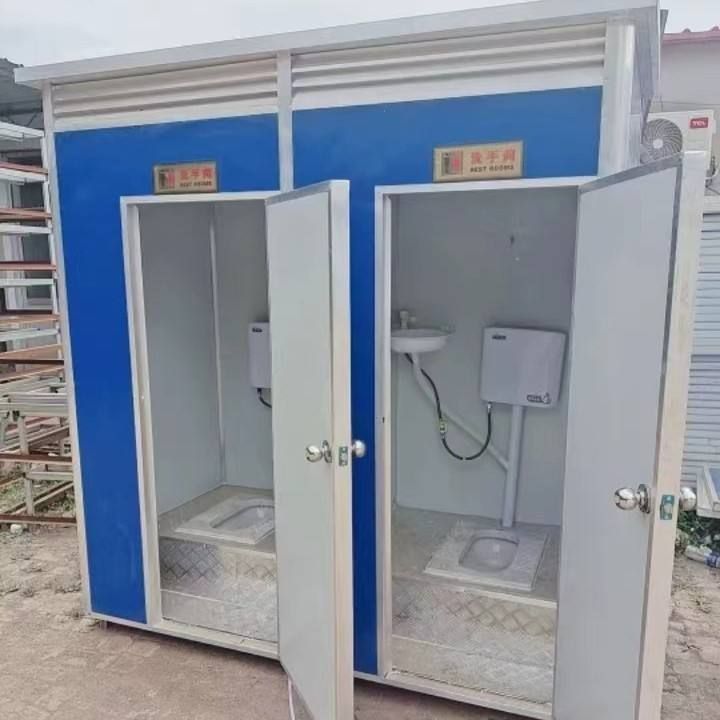
Galvanized cold-formed thin-walled steel frames: As the load-bearing framework of prefabricated houses, their core advantage lies in being lightweight yet strong. Formed through cold-forming processes, the steel maintains high strength while significantly reducing its self-weight, facilitating easy transportation and installation. The galvanized coating covers the surface of the steel, forming a dense protective film that effectively isolates corrosive media such as water and oxygen, meeting the 50-year durability requirements for buildings, especially suitable for humid or rainy regions.
Class A non-combustible thermal insulation core materials: Represented by rock wool, glass wool, or cement polystyrene granules, these materials are filled in the gaps of the framework. They offer three key functions: firstly, excellent thermal insulation performance, reducing heat exchange between indoors and outdoors and lowering energy consumption; secondly, a fire resistance rating of Class A (non-combustible), with a fire endurance limit of up to 4 hours, providing a reliable fire barrier for buildings; thirdly, significant sound insulation and absorption effects, reducing noise by up to 55 decibels, effectively enhancing living comfort.
Lightweight partition materials: These are composed of light steel studs and asbestos-free calcium silicate boards (NALC boards), with a board thickness of 12mm. The walls are constructed using a 2+2 board arrangement method, with a total thickness of approximately 150mm. The cavity between the studs and boards is filled with 100mm-thick Class A rock wool (bulk density 100kg/m³), forming a composite structure. This material combines sound insulation, earthquake resistance, and thermal insulation functions, and the absence of asbestos avoids health hazards, making it suitable for residential or public buildings with high environmental protection requirements.
Sandwich panel materials: Such as colored-faced polyethylene foam sandwich panels, commonly used in color-steel plate movable houses. Their core structure consists of two layers of colored steel plates sandwiching a polyethylene foam core material, offering outstanding thermal insulation performance and adaptability to environments with large temperature differences. They have a service life of 10-20 years, and the surface coating can be customized in terms of color and texture, balancing practicality and aesthetics.
Other lightweight panels: These include prefabricated exterior wall panels, roof panels (including truss panels and large roof panels), and assembled self-supporting wall panels. These materials are all made of lightweight base materials (such as high-strength concrete, composite fibers, etc.) and are industrially prefabricated for rapid assembly. They have a wide range of applications, covering industrial plants, civil residences, and additional floors, meeting the functional requirements of different building types.



