Tips for Writing an Introduction to Prefabricated Houses
Prefabricated houses are a form of construction that involves the industrial production of building components, which are then assembled on-site. They are characterized by efficiency, cost-effectiveness, high quality, and environmental friendliness, making them an important development direction in the modern construction field.

Main Types
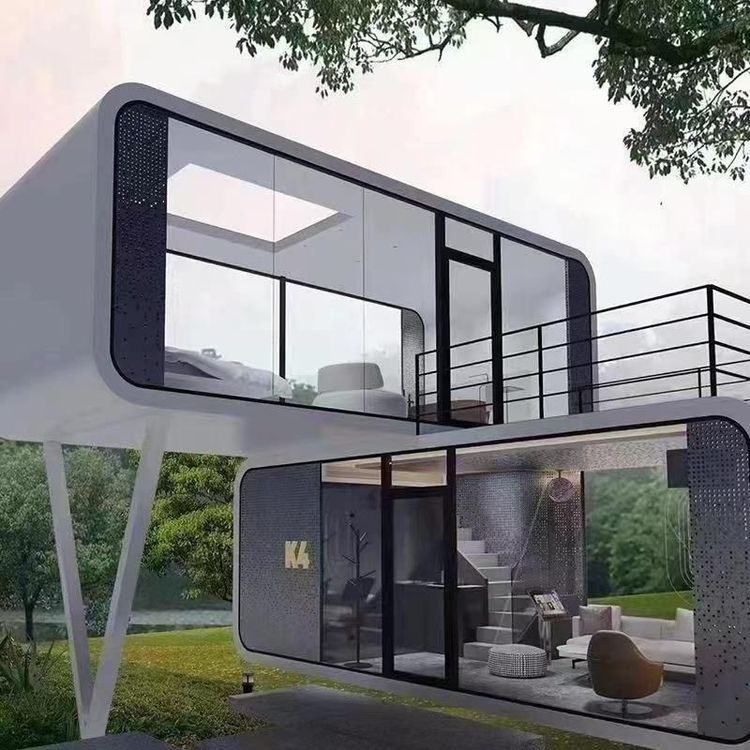
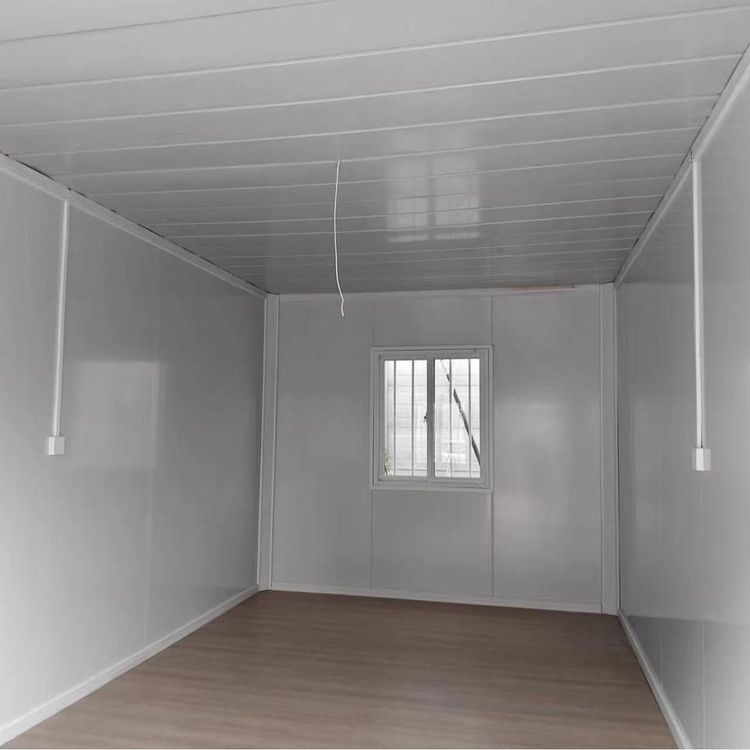
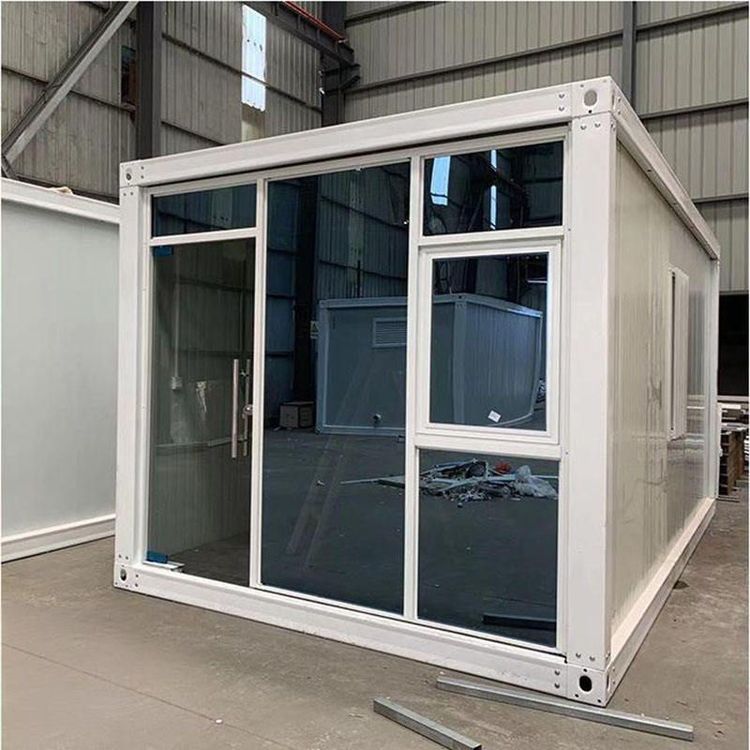
Prefabricated houses are mainly divided into three categories: Panel-assembled prefabricated houses use large prefabricated panels (such as walls and floors) for assembly, suitable for standardized structures; Box-assembled prefabricated houses pre-fabricate entire rooms or parts of buildings into box-like shapes (such as reinforced concrete or wooden boxes), which are then directly spliced on-site, suitable for modular design; Frame-assembled prefabricated houses first pre-fabricate the building skeleton (such as reinforced concrete frames) and then install wall panels, floors, and other components, offering high flexibility.
Technical Advantages
- Efficient Construction: The combination of parallel operations in factories and on-site assembly reduces the construction period by 30%-60% compared to traditional methods. For example, a public housing project in Shenzhen used 6,028 concrete modules to assemble five nearly 100-meter-high buildings, reducing the construction period from 2.5-3 years to 1 year.
- Cost Control: Industrial production reduces on-site labor costs and eliminates the need for concrete mixing, significantly lowering overall costs.
- Stable Quality: The standardized factory environment allows for millimeter-level control of component precision, resulting in better quality than on-site construction and reducing quality risks.
- Environmental Protection and Energy Efficiency: On-site noise, dust, and construction waste are reduced by about 50%, aligning with green building trends and contributing to carbon neutrality goals.
Application Scenarios
- Residential Buildings: Early residential buildings in China often used prefabricated panel houses, which are now gradually transitioning to cast-in-place concrete and prefabricated buildings.
- Overseas Projects: Chinese "prefabricated houses" are exported overseas through modular design. For example, Guangzhou Customs exported 1.4 billion yuan worth of mobile houses in the first four months, and Shenzhen Port exported 1.68 billion yuan worth.
- Emergency and Temporary Buildings: The rapid assembly characteristics are suitable for post-disaster reconstruction, temporary offices, medical facilities, and other scenarios, such as the construction of makeshift hospitals during the pandemic.
Development Status
Modern prefabricated houses adopt technologies such as steel-concrete integrated pouring and high-precision positioning to enhance earthquake resistance (e.g., CMC composite module buildings). At the policy level, China has implemented renovation policies since 2022, focusing on repairing prefabricated panel houses and only demolishing dangerous ones. In terms of the market, the global modular construction market is expected to exceed $142.8 billion by 2030, with Chinese companies having comparative advantages in steel structures and concrete.
Prefabricated houses, through the integration of industrialization and digitization, are driving the transformation of the construction industry from "on-site construction" to "factory manufacturing" and have become an important development direction in the modern construction field.