Prefabricated House in a Box
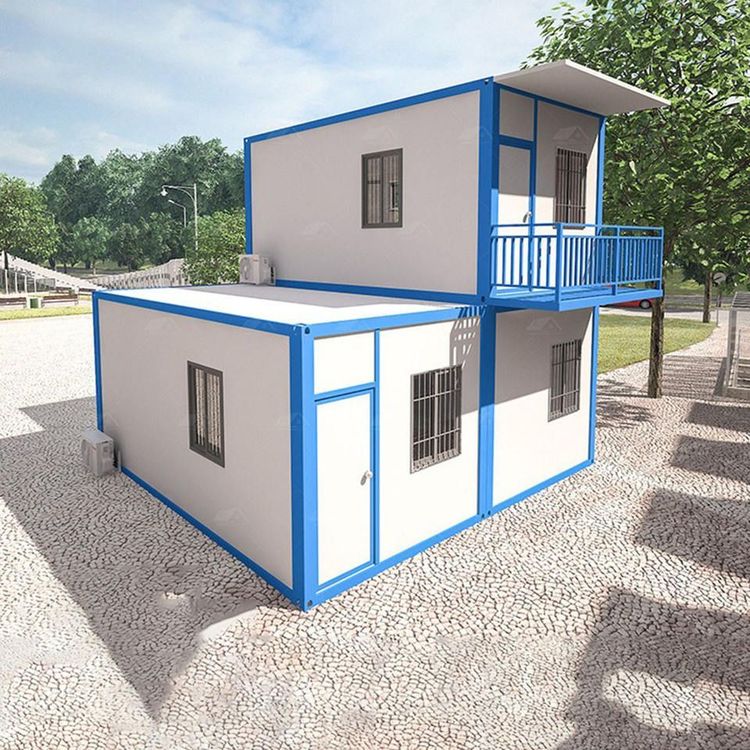
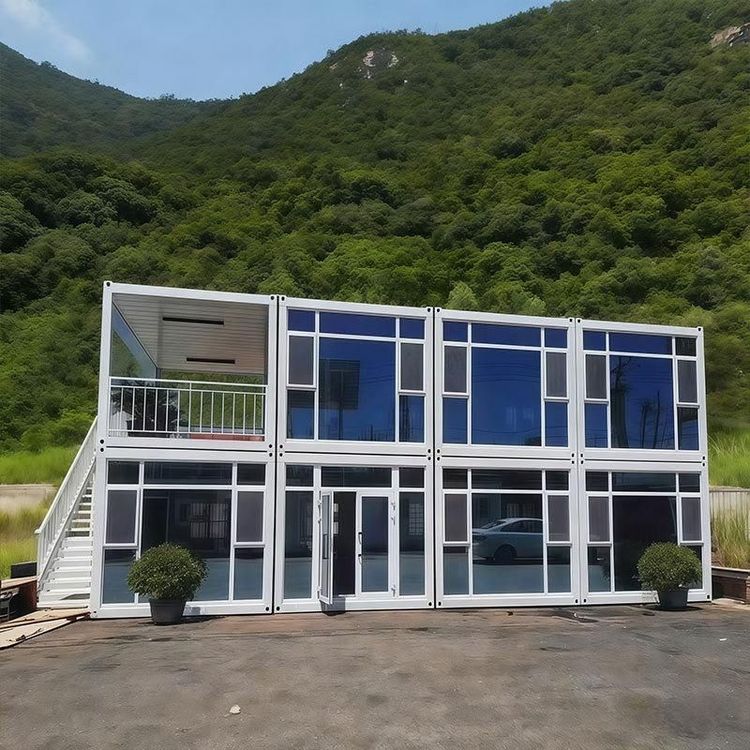
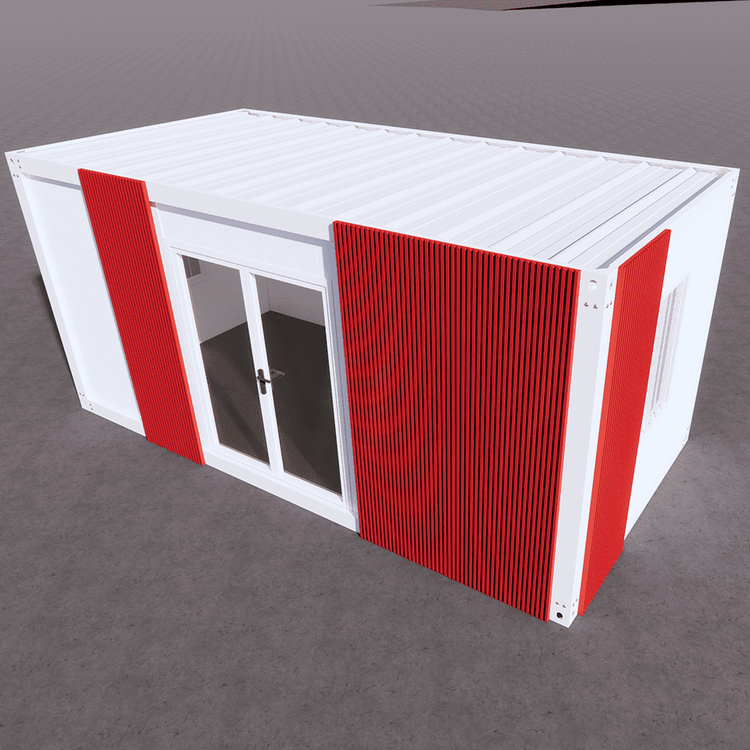
The "prefabricated house in a box" can be understood as box-type prefabricated construction, which is a type of prefabricated construction. Container architecture can also be regarded as a special form of it.

Box-type Prefabricated Construction
Box-type prefabricated construction is assembled from prefabricated functional units. This construction method offers significant advantages, with construction speed increased by 50% - 70%. It involves prefabricating some or all of the building's functional units in a factory and then transporting them to the construction site for assembly, greatly shortening the construction cycle. However, it has high requirements for transportation and lifting equipment, as the prefabricated functional units are usually large in volume and heavy in weight, requiring professional transportation tools and lifting equipment to ensure safe and accurate transportation and installation at the designated location.
Container Architecture
Container architecture has a history of only 20 years and has only widely entered the public eye in the past decade. In the 1970s, British architect Nicholas Lacey proposed transforming containers into habitable buildings, but it did not receive widespread attention at the time. In November 1987, American architect Phillip Clark legally proposed a technical patent for transforming steel shipping containers into buildings, and the patent was approved in August 1989, after which container architecture gradually emerged.
Early container architecture had rudimentary technology and was mostly used as temporary buildings, with functions limited to office use or exhibition halls. In 2006, American architect Peter DeMaria from Southern California designed the first two-story container house in the United States, and its building structure passed strict national certification building codes, marking an important milestone in the development of container architecture. In 2011, the world's first large-scale temporary shopping center, BOXPARK, a container park, was unveiled, indicating that container architecture technology was beginning to mature. Currently, container architecture has a wide range of applications, mostly used in various buildings such as residences, shops, and art galleries.