Back to blog
Article
Prefabricated House Homestay
Admin September 18, 2026
The prefabricated house homestay is a practical form of prefabricated buildings in cultural and tourism scenarios, characterized by short construction periods, low costs, and modular disassembly and reuse. However, it must strictly meet compliance requirements such as land use approvals and product standards.

I. Significant Construction Advantages
- Period and Cost: Compared to traditional brick-and-mortar homestays, the construction period can be shortened by over 70%, and the unit area construction cost can be reduced by approximately 35%. For example, fully assembled prefabricated houses have completed structural, insulation, and utility installations before leaving the factory, allowing them to be operational as soon as utilities are connected upon arrival, greatly shortening the time from construction to operation.
- Site Adaptability: Modular design supports disassembly and reuse in different locations, making it suitable for complex terrains such as mountains, lakesides, and woodlands. For instance, the Weisu mountain homestay in Taiwan uses V5Gen5 prefabricated technology, with the cabin nestled among the trees without damaging the native environment.
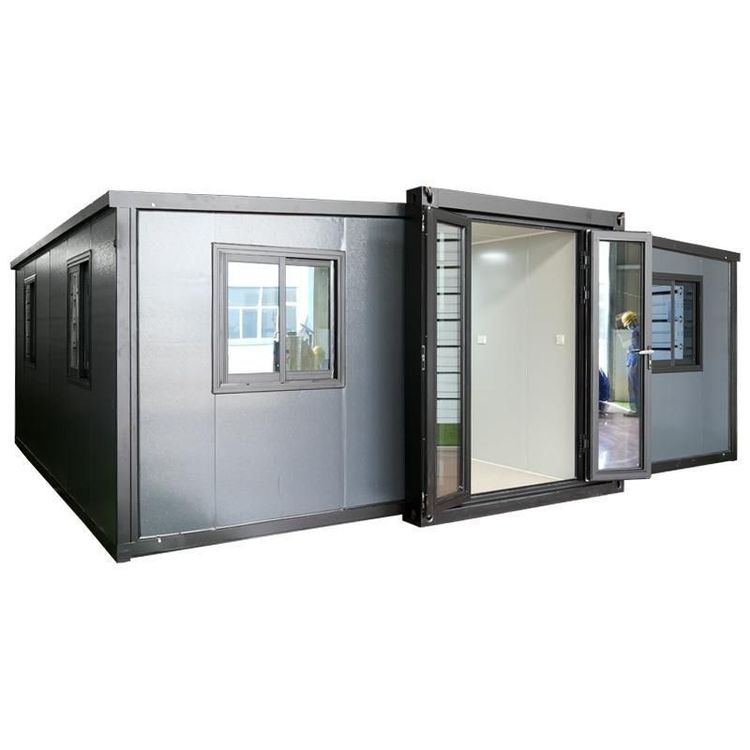
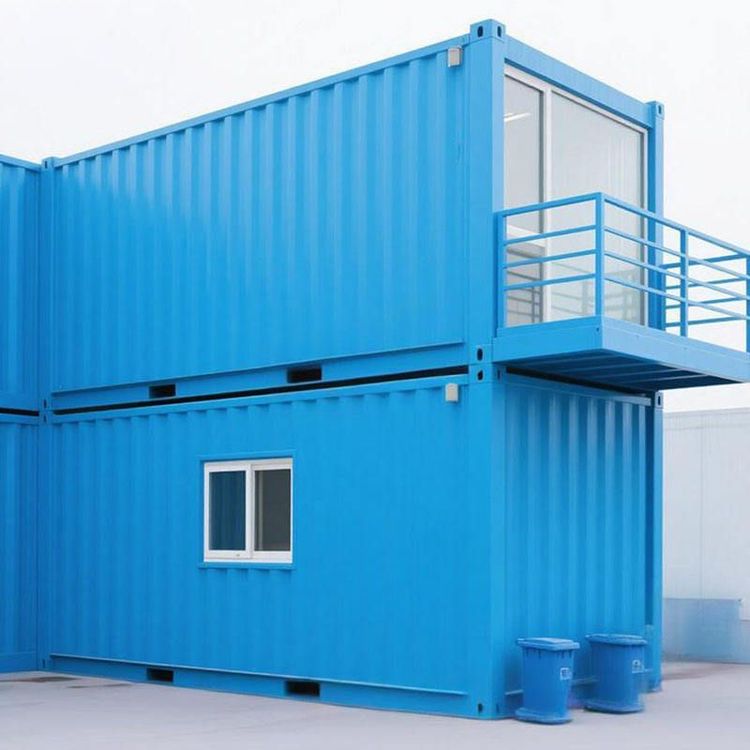
- Standardization and Efficiency: Some products, such as standard quick-assembly container homestays, can be assembled on-site within 4 hours, making them suitable for rapid deployment scenarios.
II. Product Types and Market Tiers
- Type Differences: Standard quick-assembly container homestays feature a galvanized steel structure with double-sided sandwich color steel plate filling, weighing 1.8-2.2 tons. They have limited options for exterior adjustments and are suitable for scenarios with limited budgets and low exterior appearance requirements.
- Market Segmentation:
- First Tier: Large-scale enterprises offer full-process customization services, covering design, functional planning, and installation guidance.
- Second Tier: Standardized product suppliers provide fixed styles at moderate prices.
- Third Tier: Local small workshops use second-hand containers for renovation, with no unified safety standards, offering low prices but high risks.
III. Strict Compliance Requirements
- Land Use Approval: It is necessary to confirm the planned land use, whether it encroaches on the “three zones and three lines” or protected areas (such as nature reserves and scenic spots). Common misunderstandings include mistaking agricultural facility land for homestay land, assuming mobility eliminates the need for approval, and conducting earthwork on forest or farmland.
- Product Standards: It must meet three basic requirements: building structural safety, indoor environmental protection, and fire safety acceptance. All aspects, from main frame welding to utility line pre-embedding, must comply with civil temporary building regulations. For example, doors and windows must be waterproof and sealed, and wall filling materials must meet environmental standards.
IV. Typical Application Cases
- Weisu Taiwan Mountain Homestay: Using prefabricated technology, the cabin blends with the mountains, featuring panoramic glass for enhanced views, a sturdy structure resistant to wind and weather, and immediate operability upon arrival.
- Mofang Group Yiranju: Fully assembled prefabricated houses serve as farmhouse guest rooms, addressing seasonal operational limitations of farmhouses while avoiding land use approval and long construction period issues.
Related