
Will the Finished Product of Prefabricated Houses Leak Water?
The finished product of prefabricated houses may indeed have water leakage issues, which are closely related to material properties, construction techniques, and usage environments. A detailed analysis is as follows:
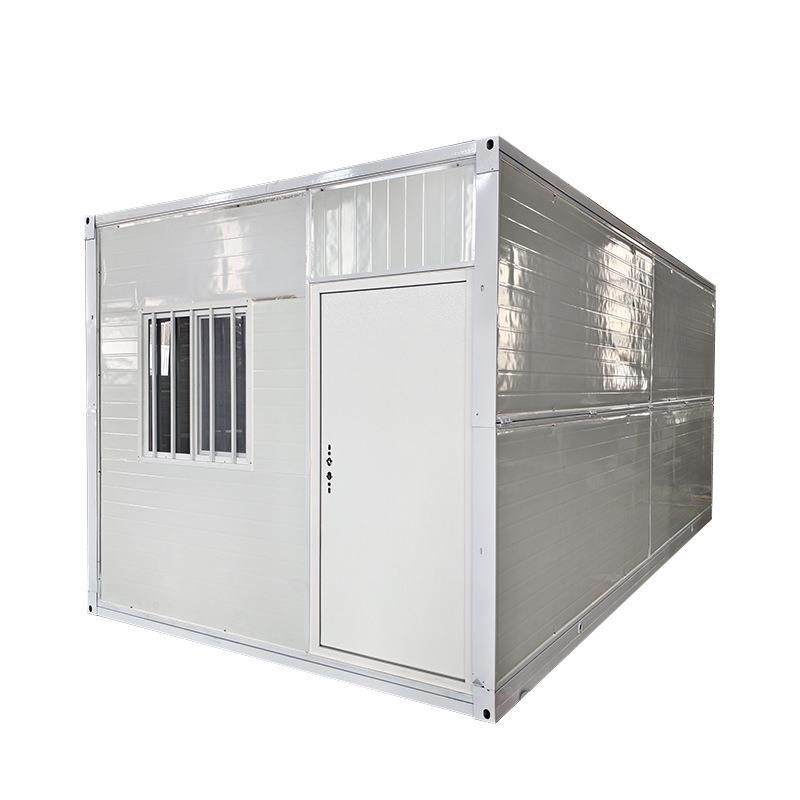
I. Main Causes of Water Leakage
Defects in Joint Seam Treatment
Prefabricated houses are connected by prefabricated panels through grouting or welding, and the joint seams are weak points for waterproofing. Thermal expansion and contraction caused by seismic activity or temperature changes can lead to cracking of the joint seams, allowing rainwater to seep into the interior of the structure. For example, the Hefei Sanxiaokou Qiguitang Community once experienced rainwater flowing inside the prefabricated panels without a complete repair solution; water leakage on the east balcony wall is also often caused by water infiltration through the joint seams.Poor Construction Quality of the Waterproof Layer
The waterproof layers of prefabricated houses generally have construction defects, such as improper material selection, insufficient coating thickness, or rough base layer treatment, leading to premature failure of the waterproof layer. Case studies of rural self-built houses show that 8 out of 10 households have rain leakage problems, and even after multiple repairs, it is difficult to completely resolve the issue, reflecting the widespread problem of insufficient durability of the waterproof layer.Material Aging and Lifespan Limitations
The lifespan of prefabricated panels is typically around 10 years. Over time, concrete carbonation and steel reinforcement corrosion can lead to an increase in structural cracks. During heavy rain, these aged cracks become the main channels for rainwater penetration, significantly exacerbating the leakage problem.
II. Emergency Repair Measures
Color Steel Roof Covering
By adding a color steel plate on top of the existing roof to form an overall waterproof layer, the waterproofing effect is optimal, but the cost is relatively high (about 60-80 yuan per square meter), suitable for long-term use or houses with severe leakage.Waterproof Membrane Repair
Using SBS or APP modified asphalt membranes to repair local leakage points depends on construction quality control. If constructed properly, the lifespan can reach 15 years, but there are cases of repair failure due to improper base layer treatment.Plastic Film Covering
Using polyethylene film to temporarily cover the leakage area has the lowest cost (about 2 yuan per square meter), but its weather resistance is poor, and the effect can only last for 2-3 years, suitable for short-term emergency or low-budget scenarios.
III. Prevention Recommendations
- Construction Phase: Strictly monitor the joint seam treatment process, using anti-crack mortar or sealant to strengthen sealing; select waterproof materials with strong weather resistance and ensure the coating thickness meets specifications.
- Usage Phase: Regularly inspect the roof and wall cracks and repair them promptly; avoid drilling holes or installing heavy equipment on the surface of the prefabricated panels to reduce the risk of structural damage.
- Material Selection: Prioritize the use of fiber-reinforced concrete prefabricated panels with a longer lifespan, or extend the durability of the materials through surface coatings.



