
Export of Prefabricated Houses Abroad
In recent years, China's export of prefabricated houses abroad has shown a significant growth trend, with an expanding export scale, covering multiple countries and regions, and a diverse range of product categories.
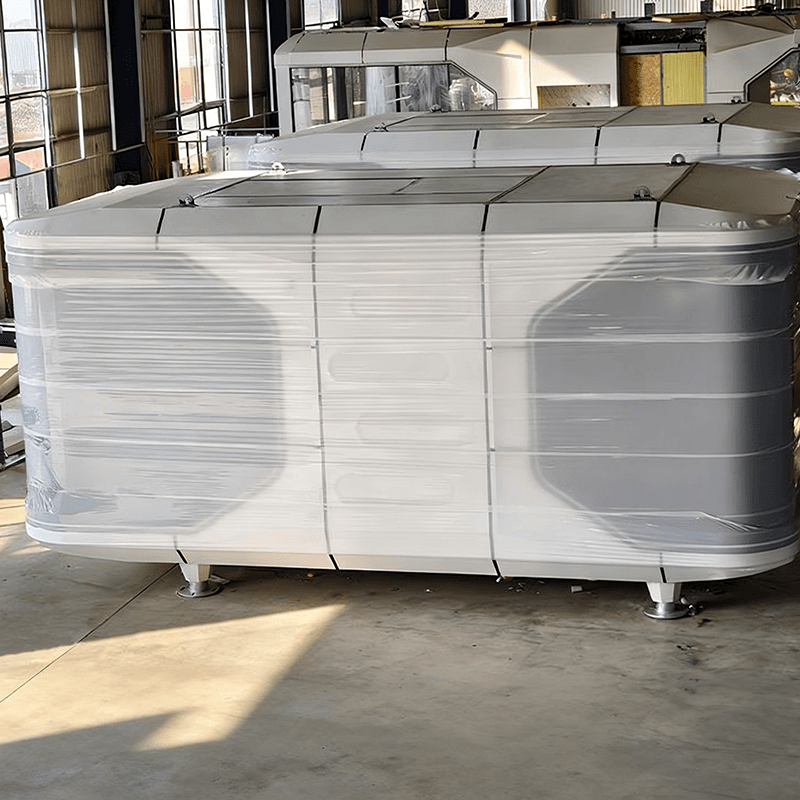
Export Scale and Markets
- Rapid Growth in Export Scale: The export scale increased from $1.472 billion in 2015 to $433.9 billion in 2025, nearly tripling in 10 years. In the first quarter of 2026, the year-on-year growth rate of China's prefabricated building exports reached 45%. In the first seven months of this year, the Shatian Customs under the Huangpu Customs supervised the export of 23 batches of modular houses, with a total value of 548 million yuan, a year-on-year increase of 7.3 times.
- Breakthroughs in Multiple Export Markets: The global market has seen multiple successes, with particularly prominent growth in the ASEAN region. For example, modular houses shipped from Dongguan Port in Guangdong to ASEAN markets such as Indonesia and Vietnam have completed all processes including water and electricity installation and interior decoration in the factory, and can be directly assembled on-site upon arrival. In addition, the market also covers more than 20 countries and regions, including the United Kingdom and Australia, with products including high-end office buildings, hotels, schools, modular data centers, and other diverse categories.
Export Order Situations
High-end customized whole-building orders can fetch over a million US dollars each. For example, a developer in Melbourne imported a whole row of prefabricated townhouses from Wuxi, China, with over 75% of the building materials completed in China, priced at 699,000 Australian dollars and up, and the construction period shortened by ten months. Another company developed a high-end space capsule modular resort, with a single order exceeding a million US dollars, while the cost was only about 40% of traditional construction in the United States.
Reasons for Popularity in Exports
- Pain Points in Overseas Construction Markets: The United States lacks a sufficient number of construction workers each year, resulting in a shortage of housing construction. In Australia, it takes one and a half to two years to build an ordinary house, and building material prices in Canada have been rising year after year.
- Significant Advantages of Chinese Prefabricated Houses:
- Price Advantage: For example, American blogger Shelley purchased a 70-square-meter fully furnished house from Hebei, China, with the house body, shipping, and tariffs totaling only $28,689, equivalent to less than 200,000 yuan, while local builders' labor costs alone exceed this amount.
- High Construction Efficiency: Chinese prefabricated houses complete over 90% of the processes in the factory and can be inhabited upon assembly on-site.
- Controllable Quality: Domestic 'prefabricated houses' have持续提升 overseas market recognition due to their core advantages of rapid delivery, environmental protection, energy efficiency, strong adaptability, and controllable quality.
- Complete Industrial Chain: Over the past 20 years of urbanization in China, the world's most complete construction industrial chain has been forged, with steel, insulation boards, doors and windows, hardware, and complete bathroom solutions all available within the industrial belt.



