Back to blog
Article
Prefabricated House Demolition Plan
Admin September 18, 2026
The prefabricated house demolition plan requires systematic planning, covering project overview, construction preparation, steps, safety measures, and specific project details to ensure the safe and efficient completion of the demolition task.
I. Project Overview
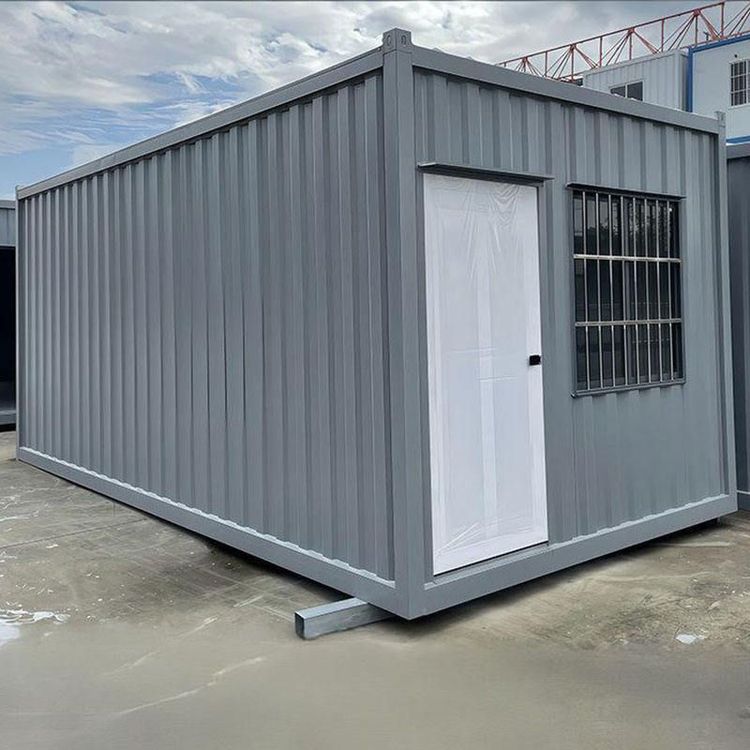
Clarify the basic information of the house to be demolished, including its location, building area, structural type (e.g., frame structure with prefabricated panels for walls and a color-steel roof), construction year, and reasons for demolition (e.g., severe aging of the house, safety hazards). Conduct on-site inspections to confirm structural stability, assess demolition risks, and provide basic data for subsequent construction.
II. Construction Preparation
- Personnel Preparation: Establish a demolition project team, including a project manager, technical leader, safety officer, and construction workers, with clear job responsibilities. Provide professional skills training for all construction workers, emphasizing the reinforcement of safety operation specifications and emergency response capabilities.
- Materials and Equipment Preparation: Equip with demolition tools such as electric drills, gas cutters, cutting machines, crowbars, and hammers, as well as protective gear including safety helmets, safety belts, dust masks, and gas masks. Set up scaffolding and prepare large-scale machinery and equipment such as excavators and cranes, ensuring their good performance.
- Site Preparation: Clear debris within the construction area, set up fences and warning signs, and isolate the construction area from non-construction areas to prevent unauthorized access.
III. Construction Steps
- Preliminary Preparation: Conduct a comprehensive inspection of the house structure, develop a detailed demolition plan, and apply for demolition permits from relevant departments.
- Demolition Operations: Remove components such as doors, windows, exterior walls, interior walls, floor slabs, stairs, and roofs in sequence, prioritizing the protection of structural columns and beams. Use cutting and prying methods to remove components, avoiding violent demolition that could lead to structural collapse.
- Site Cleanup: Classify and stack waste materials (e.g., metals, concrete, wood) and promptly transport them to designated locations to ensure no residues remain on-site.
- Site Restoration: Level the ground after demolition to create conditions for subsequent construction or land use.
IV. Safety Measures
- Personnel Safety: Construction workers must wear protective gear throughout the process and fasten safety belts during high-altitude operations. Set up safety warning signs on-site and prohibit non-construction personnel from entering.
- Equipment Safety: Regularly inspect machinery and equipment to ensure they are in good condition. Operators must be certified and strictly adhere to operating procedures.
- Environmental Protection: Take water spraying measures during demolition to reduce dust pollution. Classify and dispose of waste materials to avoid environmental damage caused by indiscriminate dumping.
V. Specific Project Demolition Details
- Base Data Collection: Record information such as the splicing direction of prefabricated floor slabs, the location of load-bearing walls, and the number of exterior wall cantilevered components to provide a basis for precise demolition.
- Pre-notification and Site Clearance: Post demolition notices in advance, distribute notification letters to each household, verify the cancellation of water, electricity, and gas accounts after site clearance, and confirm no personnel or valuables remain.
- Pre-treatment Operations: Remove附属 (affiliated) components such as air conditioning units and security nets, seal entrance doors and unit doors, and set up enclosed fences and warning signs.
- Main Body Demolition Principles: Follow the sequence of "top-down, outside-in," prioritizing the use of hydraulic breakers for layer-by-layer crushing. Prohibit push-over or掏掘 (excavation) demolition methods. After each layer is crushed, promptly spray water to reduce dust and control construction noise and dust.
Related