
Prefabricated House Demolition Flowchart
The prefabricated house demolition process generally includes several main steps: submitting a demolition application, conducting an on-site inspection, signing a contract after approval, preparing for demolition, carrying out the demolition, and submitting a completion report for inspection and acceptance.
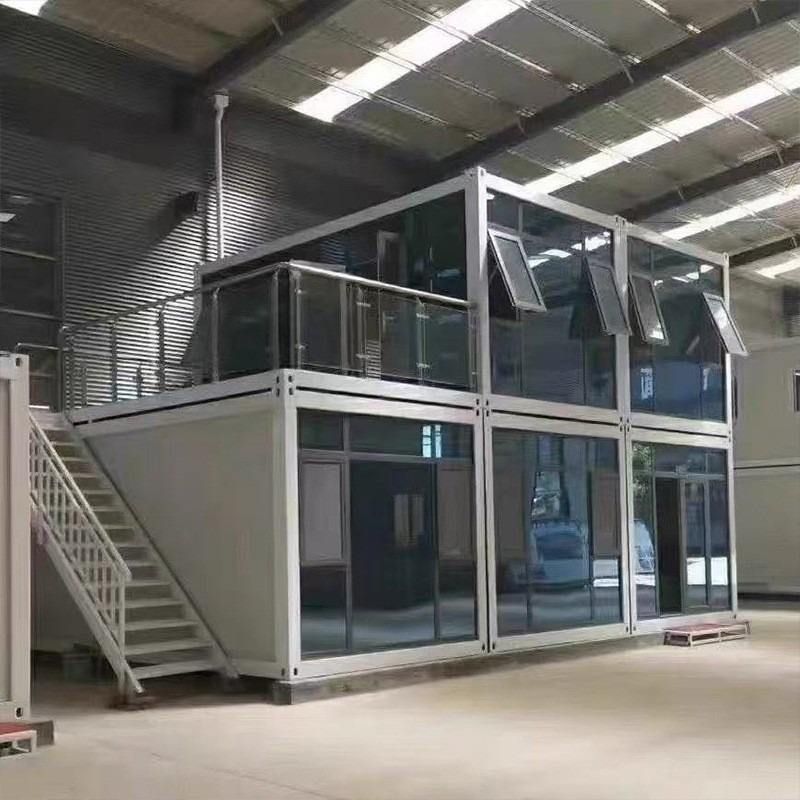
Submitting a Demolition Application Submit a demolition application to the local housing and urban-rural development department, etc. Prepare documents such as the house property certificate and a description of the house's current condition. The property certificate is used to confirm the ownership of the house and avoid property disputes during the demolition process. The description of the house's current condition allows relevant departments to have a preliminary understanding of the basic information of the house, such as its structural type, number of floors, and floor area, providing basic information for subsequent approval and on-site inspections.
Conducting an On-site Inspection Relevant departments arrange staff to conduct an on-site inspection, mainly to verify the condition of the house and its surrounding environment. Staff will check whether the actual structure of the house is consistent with the application documents and whether there are any safety hazards, such as wall cracks and foundation settlement. At the same time, they will examine the surrounding environment, including the presence of underground pipelines and the distance to adjacent buildings, to assess the impact of the demolition work on the surroundings and provide a basis for formulating a subsequent demolition plan.
Signing a Contract after Approval If the application is approved, find a qualified demolition unit and sign a demolition contract with it. The contract should clearly define the scope of demolition to avoid over-demolition or missed demolition. It should also specify the construction period to ensure that the demolition work can be completed within a reasonable time. Additionally, it should clarify safety responsibilities, including the division of responsibilities for safety accidents that occur during the demolition process, ensuring the safe and orderly progress of the demolition work.
Preparing for Demolition Clean up the items inside the house and properly store valuable items to avoid damage during the demolition process. At the same time, set up warning signs at the demolition site, such as warning signs and warning lines, to remind surrounding personnel to pay attention to safety and prevent unauthorized personnel from entering the demolition area, reducing the occurrence of safety accidents.
Carrying out the Demolition The demolition unit should operate strictly in accordance with safety regulations and select appropriate demolition methods and equipment according to the structural characteristics of the house. For example, for frame-structured houses, mechanical demolition can be used; for brick-concrete structured houses, some non-load-bearing structures can be manually demolished first, and then mechanical demolition can be carried out. During the demolition process, pay attention to protecting the surrounding environment and facilities to avoid damage to underground pipelines, adjacent buildings, etc.
Submitting a Completion Report for Inspection and Acceptance After the demolition is completed, submit a completion report to the relevant departments for inspection and acceptance. The inspectors will check whether the demolition is thorough and whether there are any remaining building structures. They will also check whether the site is cleaned up and whether there is any accumulation of construction waste. Only when the inspection is passed can the demolition work be considered truly completed.



