When Will Prefabricated Houses Be Delivered
The delivery times for different prefabricated housing projects vary significantly, depending on the project type, scale, and construction location, ranging from as short as a few dozen days to as long as several years.

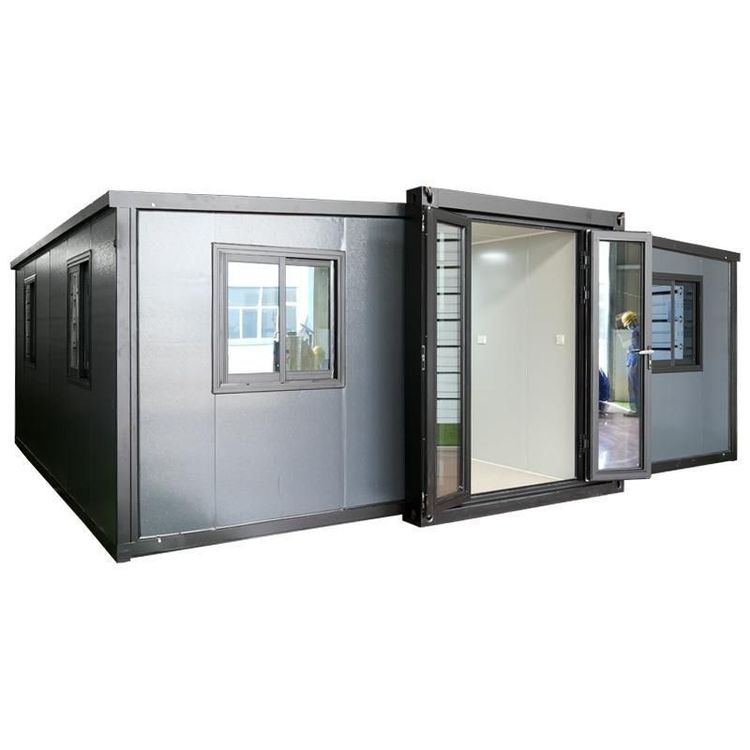
The delivery time of prefabricated houses is influenced by multiple factors, with the most crucial being the house type and construction mode. Taking modular houses as an example, they use factory-prefabricated components and are rapidly assembled on-site, significantly shortening the construction cycle. For instance, the modular houses produced by JBM Modular Housing in Australia take only 32 days from production to delivery, with the on-site installation phase taking just 2 days. This efficiency is attributed to standardized design, industrial production, and precise docking technology between modules, reducing delays caused by weather and process衔接 (process connection) in traditional construction.
In contrast, large-scale prefabricated residential projects have longer delivery times. For example, the Changsha Zhongjian Feicui Tianxu Xingyu project is expected to be delivered on June 30, 2028. Such projects typically involve multi-story or high-rise buildings, requiring the integration of more prefabricated components (such as floor slabs, walls, and stairs) and meeting more complex building codes and acceptance standards. Additionally, preliminary work such as project scale, land leveling, and infrastructure配套 (supporting facilities) also extends the overall cycle. For example, if the project includes underground parking or commercial facilities, the construction process needs to be carried out in stages, further prolonging the delivery time.
Key Factors Affecting Delivery Time
- House Type: Modular single-family homes have the shortest delivery cycle due to their simple structure and high degree of component standardization; while multi-story or high-rise prefabricated homes require coordination of more components and construction phases, resulting in longer cycles.
- Construction Location: Building regulations, approval processes, and climatic conditions vary significantly across regions. For example, modular housing projects in Australia benefit from lenient approval policies and dry climates, enabling year-round construction; while domestic projects may be affected by the rainy season and low winter temperatures, impacting on-site work progress.
- Project Scale: Small projects (such as single villas) can be completed quickly; while large community projects require phased construction, with overall delivery times potentially spanning several years.
Summary: The delivery time of prefabricated houses needs to be analyzed in conjunction with specific projects. If rapid occupancy is desired, modular single-family homes can be prioritized; for long-term residence or investment, attention should be paid to project planning, construction progress, and developer reputation to reasonably anticipate delivery times.