
Back to blog
Article
Prefabricated House Decorative Materials
Admin September 18, 2026
Prefabricated house decorative materials are mainly divided into two categories: general-purpose and specialized types, which combine aesthetic and functional characteristics. Here is a detailed introduction:
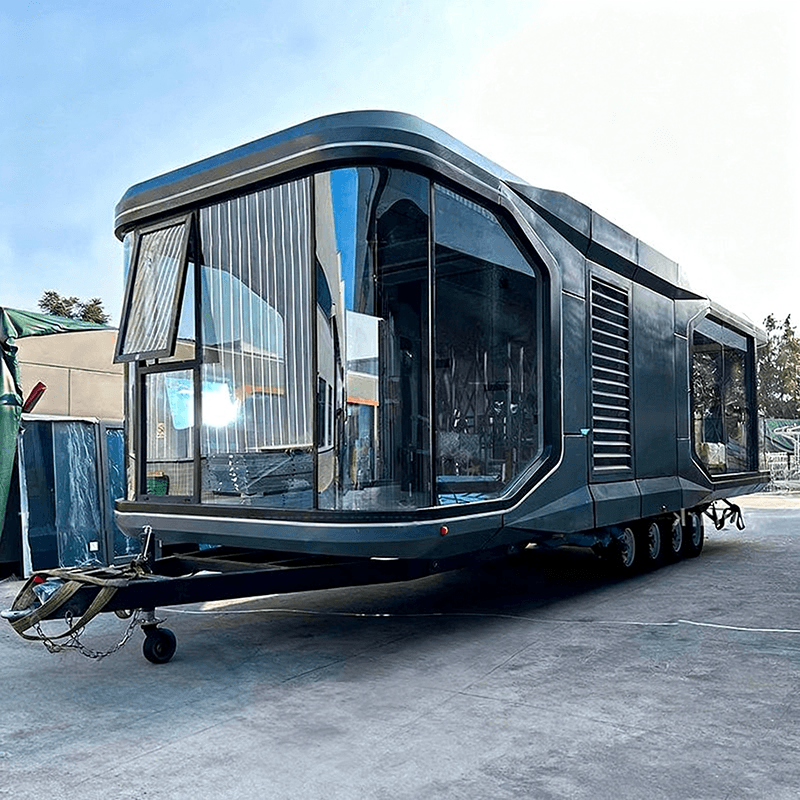
General-Purpose Decorative Materials
General-purpose materials are suitable for both prefabricated houses and traditional buildings, meeting basic needs by beautifying spaces or enhancing practicality.
Wall Materials:
- Latex Paint: Using water as the dispersion medium, it offers good environmental protection, easy application, and quick drying. It can achieve diverse visual effects through color adjustment but has average scrub resistance, making it suitable for indoor walls in dry areas.
- Wallpaper: Made from materials such as PVC and non-woven fabric, it features rich and customizable patterns, allowing for rapid changes in space style. However, moisture-proof treatment is necessary to prevent mold growth in long-term humid environments.
- Tiles: Known for their wear resistance and ease of cleaning, they are commonly used in wet areas like kitchens and bathrooms. Glazed tiles offer excellent slip resistance, while vitrified tiles have high gloss levels, allowing for selection based on space functionality.
Floor Materials:
- Wood Flooring: Divided into solid wood and composite flooring, it provides a comfortable foot feel and natural beauty but requires regular maintenance to prevent deformation from moisture. It is suitable for dry areas like bedrooms and living rooms.
- Carpets: Available in various materials such as wool and synthetic fibers, they absorb sound, reduce noise, and enhance comfort. However, they are difficult to clean and prone to dirt accumulation, making them suitable for low-frequency use areas.
- Stone: Including marble and granite, it offers a high-end texture and durability but has strong thermal conductivity, resulting in a cold feel in winter. It is commonly used in public areas like living rooms and foyers.
Ceiling Materials:
- Aluminum Ceiling Panels: Based on aluminum alloy, they offer excellent moisture and fire resistance, with modular designs facilitating easy installation and maintenance. They are suitable for wet spaces like kitchens and bathrooms.
- Gypsum Board: With low cost and strong plasticity, it can create ceiling shapes but has poor water resistance, requiring the use of waterproof coatings. It is mostly used for decoration in dry areas.
Specialized Decorative Materials
For the structural characteristics of prefabricated houses, some materials excel in industrial styles or special functional requirements.
- Wormhole-Patterned Precast Concrete Panels: Retaining the original texture of concrete on the surface, the wormhole design adds natural textures, commonly used for industrial-style decorative walls indoors and outdoors, combining rugged beauty with durability.
- Tadao Ando Cement Cast Panels: Made from high-density cement, they achieve uniform textures through special processes, offering excellent water and fire resistance. They are suitable for indoor and outdoor walls and floors, meeting the design needs of industrial or minimalist styles.
New Eco-Friendly Materials
With increasing environmental demands, some materials have achieved breakthroughs in functionality and sustainability.
- Liquid Wallpaper: Combining the advantages of latex paint and wallpaper, it forms textures through special tools during application, offering better moisture and stain resistance than traditional wallpaper and being washable, making it suitable for walls in wet areas.
- Soft Stone Flooring: Composed of natural stone powder and polymer materials, it is lightweight and flexible, with excellent slip resistance and environmental protection. It is easy to install and suitable for indoor floor and wall decoration.



