Back to blog
Article
Advantages and Disadvantages of Customized Prefabricated Houses
Admin September 18, 2026
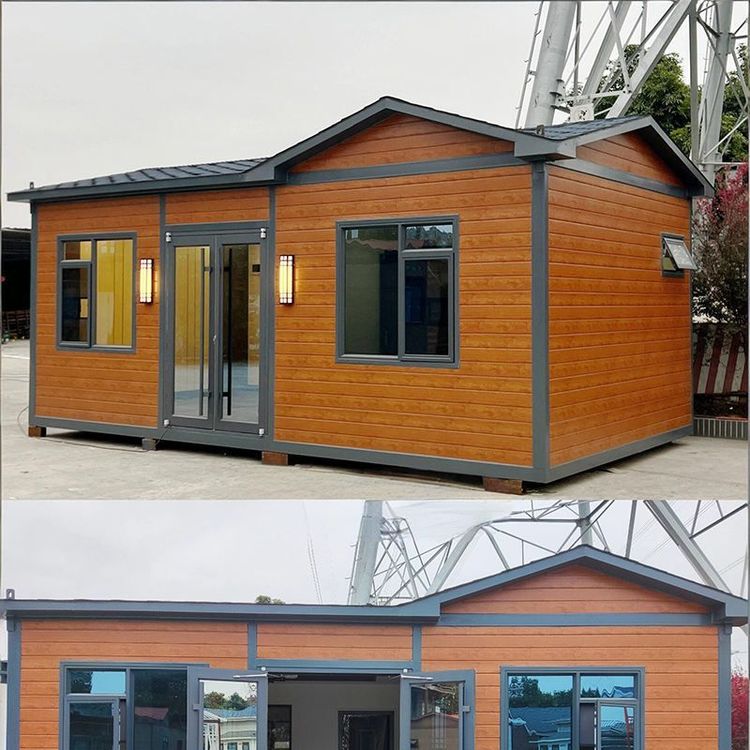
Customized prefabricated houses have numerous advantages, but they also come with some disadvantages, as detailed below:

Advantages
- Fast Construction Speed: Prefabricated components are manufactured in factories, reducing on-site construction time and improving construction efficiency. For example, in rural areas of Henan, a prefabricated house can be assembled in as little as two hours, with the construction period shortened by 50% to 70%, enabling quick satisfaction of housing needs.
- Relatively Low Cost: Factory production reduces material waste by about 30%, and mass production lowers material costs by 20% to 40%. Labor costs are reduced by about 60%. The cost of prefabricated slabs of the same area is approximately 60% to 70% of that of cast-in-place slabs, effectively saving construction costs.
- Controllable Quality: Prefabricated building components are manufactured in factories according to strict quality standards, using high-precision molds for standardized production. The concrete strength is higher than that of traditional construction methods. As long as the manufacturer is reliable, the strength grade is guaranteed, ensuring better quality.
- Environmentally Friendly and Energy-Efficient: The materials used are generally more environmentally friendly, helping to reduce energy consumption and waste generation during the construction process. The use of recyclable materials can reduce construction waste by 8%, with a material recycling rate of over 90%, aligning with green building principles.
- High Flexibility: Customization is possible according to needs, providing greater design flexibility and meeting the personalized requirements of different users.
- Convenient Local Repairs: If a prefabricated component has a problem, it can be removed and replaced individually, making repairs relatively simple.
Disadvantages
- High Initial Investment: The production of prefabricated components requires a certain initial investment, which may result in higher upfront costs for prefabricated buildings compared to traditional buildings.
- Transportation and Installation Issues: The transportation and installation of prefabricated components require specialized equipment and personnel, increasing construction difficulty and risk. Improper operation may affect the quality of the components.
- Design Limitations: Design and structure may be limited by the size and shape of prefabricated components, affecting the diversity of architectural design and making it difficult to achieve some complex and unique designs.
- Poor Integrity and Seismic Performance: Prefabricated components are assembled piece by piece, with simple filling between slabs. They are prone to misalignment or even collapse during earthquakes. If reinforcement is required, costs will increase, potentially making them less cost-effective than cast-in-place slabs.
- Other Residential Issues: Poor sound insulation makes it easy to hear noises from upstairs. The lifespan is generally 30 to 40 years, with annual maintenance costs increasing by 1,500 to 3,000 yuan after 20 years. The waterproofing effect is poor, with possible roof leakage during heavy rain on the top floor, affecting the floor below if there is a leak upstairs.