How Much Does It Cost to Customize a Prefabricated House?
The cost of customizing a prefabricated house varies significantly depending on the materials, craftsmanship, region, and supplier, making it impossible to provide a unified figure without considering specific needs for comprehensive evaluation.
1. Common Types and Price Ranges Based on Square Meter Pricing
The unit prices of prefabricated houses vary greatly depending on the materials and craftsmanship. For example, the price of a light-steel villa prefabricated house in Shijiazhuang, Hebei, is 1280.00 yuan per square meter. It adopts a light-steel structural frame paired with thermal insulation materials, making it suitable for long-term residential use. The price of an outdoor quick-assembly small house in Chongqing is 1100.00 yuan per square meter. These houses are typically used for temporary office or leisure scenarios, with a relatively simple structure and easy installation. The price of a rural light-steel prefabricated assembled house in Cangzhou, Hebei, is lower, at 480.00 yuan per square meter, mainly targeting the rural market with limited budgets, where materials and craftsmanship may focus more on basic functions. The cost per square meter of a fully reinforced concrete prefabricated house in rural Henan is over 300 yuan. These houses use concrete as the main material, offering a sturdy structure, but the construction period may be longer.
2. Special Types and Prices Based on Set Pricing
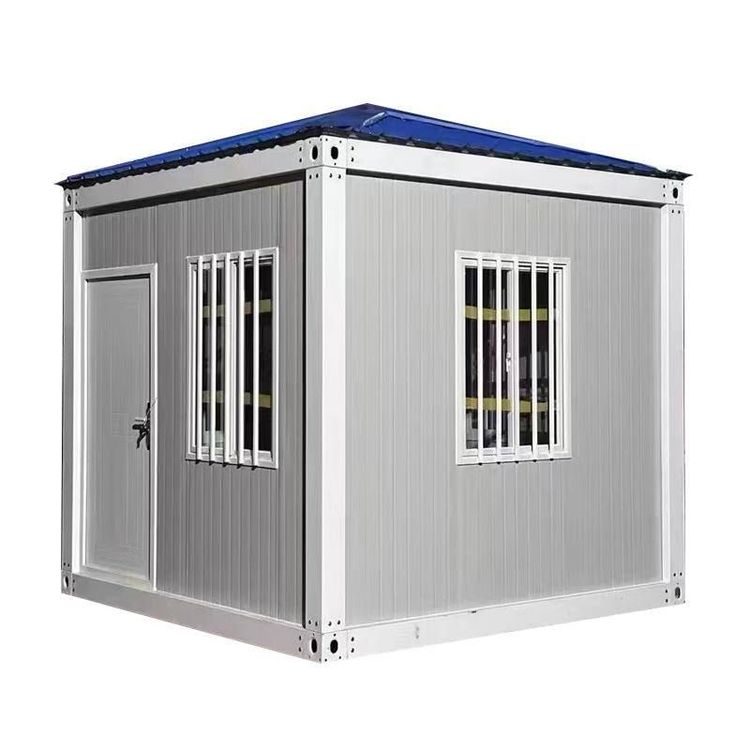
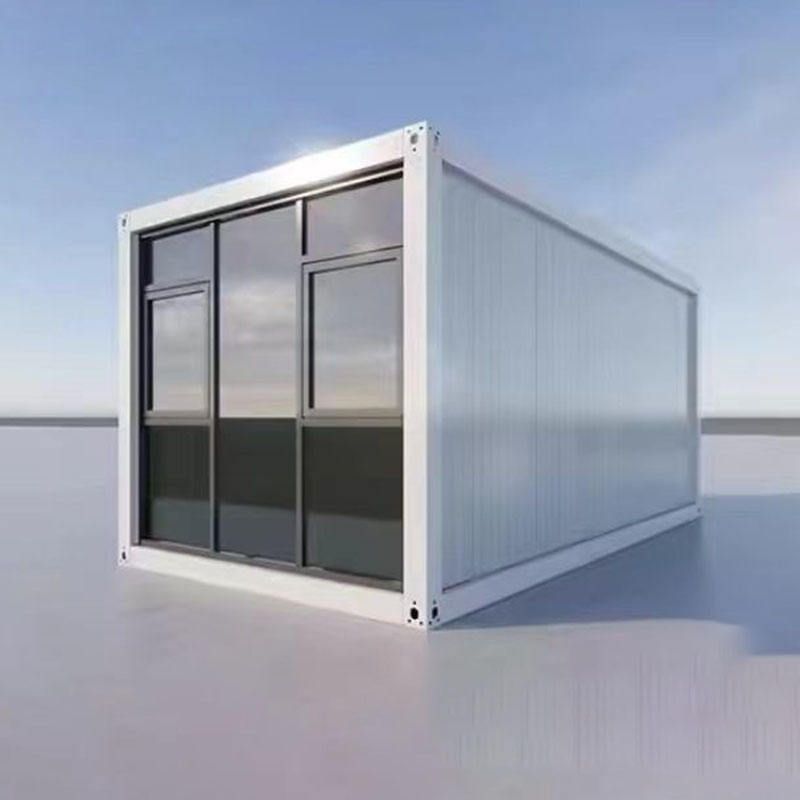
Some prefabricated houses adopt a set pricing model. For example, the price of a container prefabricated house in Baiyin, Gansu, is 4500.00 yuan per set. These houses are usually modified from standard containers with simple interior decoration, suitable for scenarios such as temporary dormitories on construction sites and warehousing. The price is influenced by the size of the container, materials, and interior configuration.
3. Core Factors Affecting Prices
Materials are one of the key factors determining prices, with significant cost differences among light steel, concrete, containers, and other materials. The complexity of craftsmanship directly affects construction costs, with finely decorated houses typically priced higher than rough-finished ones. Regional differences are reflected in transportation costs, labor expenses, and market supply and demand relationships. Suppliers' pricing strategies also vary based on brand and service content (such as design, installation, and after-sales service).
4. Purchase Recommendations
For long-term residence, it is advisable to prioritize light-steel or concrete structures and pay attention to performance aspects such as thermal insulation and sound insulation. For temporary use, container or quick-assembly small houses offer better cost-effectiveness. Additionally, it is necessary to conduct a comprehensive evaluation based on local climate conditions (such as earthquake resistance and wind resistance requirements) and budget. Meanwhile, request suppliers to provide detailed quotation lists to avoid hidden costs.