
Prefabricated House Cost
The cost of prefabricated houses varies significantly depending on the type and region, with prices ranging from 300 to 1,280 yuan per square meter. Here is a detailed analysis:
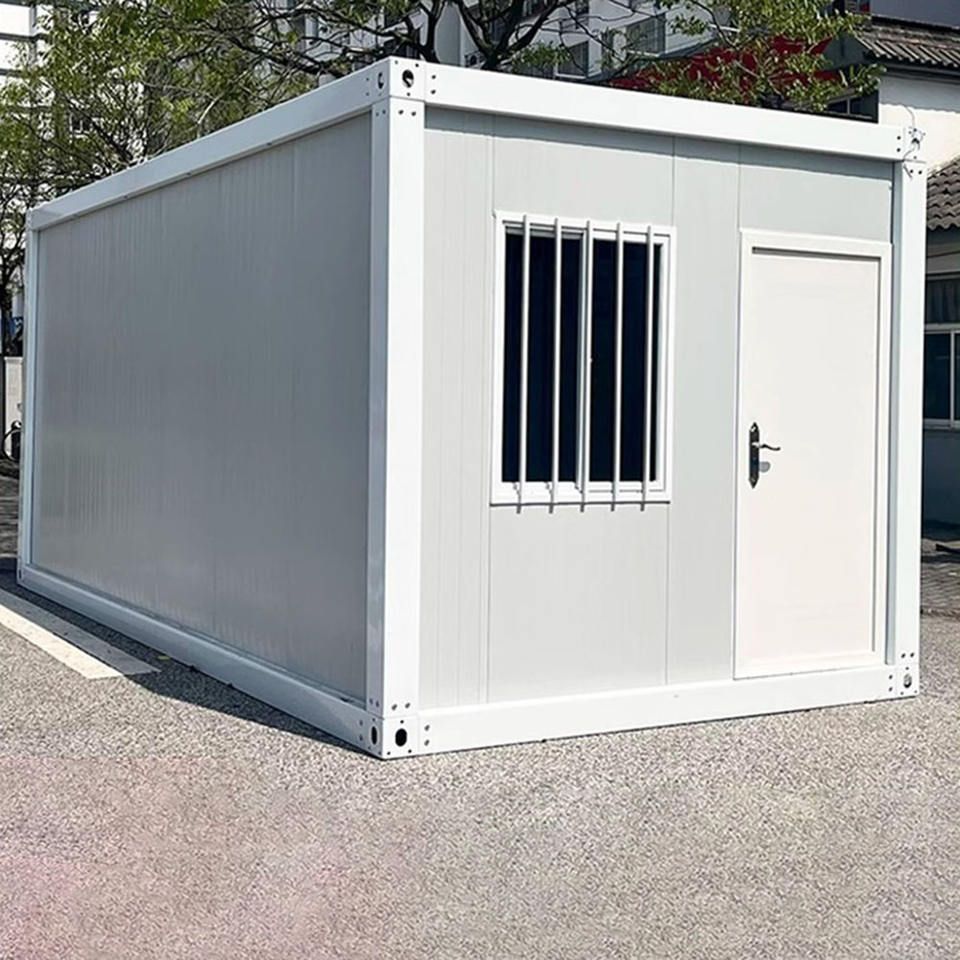
1. Cost of Cement Prefabricated Houses in Rural Henan
The cost of cement prefabricated houses in rural Henan is relatively low, with prices averaging around 300 yuan per square meter. These houses typically use traditional concrete prefabricated components, featuring a simple structure and short construction period, suitable for cost-sensitive rural self-built housing needs. The cost advantage primarily stems from lower material costs and mature construction techniques, although there may be certain limitations in terms of earthquake resistance or spatial flexibility.
2. Cost of Light Steel Assembly Houses
Light steel prefabricated houses generally have higher costs than cement prefabricated houses due to differences in material properties and construction methods. For example, the light steel assembly houses from the Furimei brand in Cangzhou, Hebei, are priced at 480 yuan per square meter. Their advantages include light weight, fast construction speed, and the ability to achieve flexible spatial adjustments through modular design. However, light steel houses require higher levels of anti-corrosion treatment, and long-term maintenance costs need to be considered.
3. Cost of High-End Prefabricated Houses
Some brands offer high-end prefabricated house products tailored to specific needs, with significantly higher costs. For example, the prefabricated guardhouse from the Baitai brand in Ganzhou, Jiangxi, costs 800 yuan per square meter and is typically used in commercial or public facility settings, requiring higher material durability and aesthetic appeal. The one-story light steel villa from the Xuanli brand in Heze, Shandong, costs 1,270 yuan per square meter, while the one-story light steel rural house from the Xuanli brand in Shijiazhuang, Hebei, costs 1,280 yuan per square meter. These houses often feature integrated decoration and are equipped with insulation and soundproofing systems, with costs approaching the mid-to-high end of traditional brick-and-mortar houses.
4. Core Factors Influencing Cost Differences
The cost of prefabricated houses is influenced by multiple factors, including material type (cement/light steel/composite), structural complexity (single-story/multi-story), decoration standards (basic/luxury), and regional labor costs. For example, although light steel houses have higher material costs, increased construction efficiency can partially offset the total price. High-end products, on the other hand, experience greater price fluctuations due to factors such as integrated design and brand premium.
It is recommended to conduct a comprehensive evaluation based on actual needs, budget, and usage scenarios, prioritizing brands that comply with local building codes and offer comprehensive after-sales services.



