
Prefabricated House Beam
Prefabricated house beams are concrete beam components prefabricated in factories and then transported to construction sites for installation and fixation, covering various types and application scenarios.
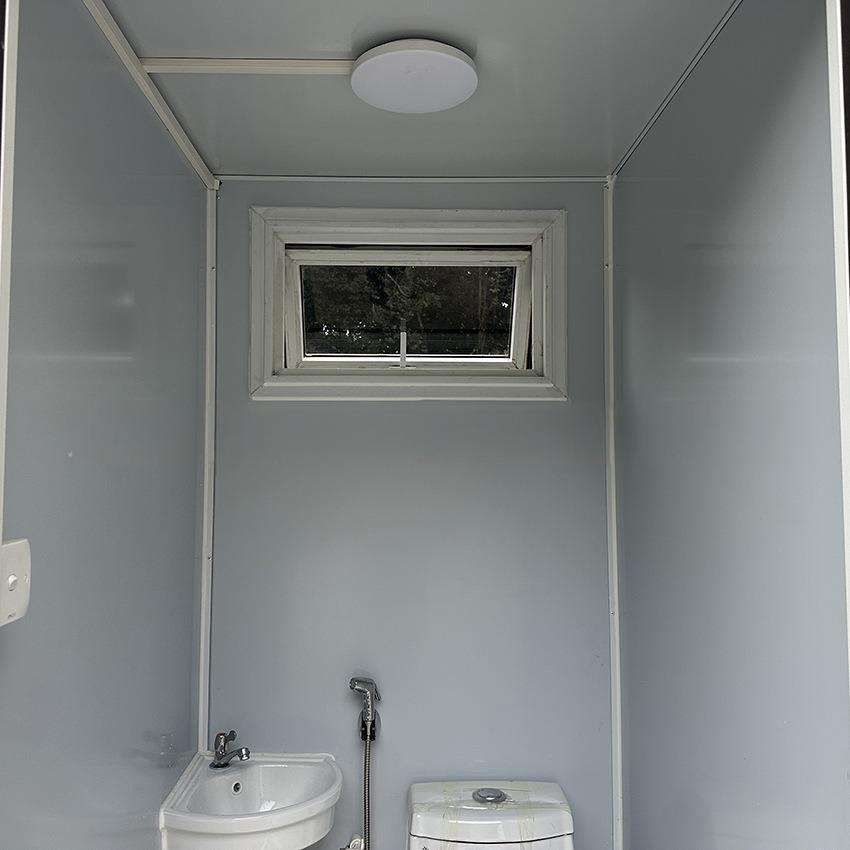
Definition and Types
Prefabricated beams are the main components of prefabricated concrete frame structures, including prefabricated solid beams and prefabricated composite beams. Prefabricated houses (prefabricated buildings) are constructed by industrially producing components such as beams, slabs, walls, and columns, and assembling them on-site.
Application Areas
They have been applied on a large scale in fields such as long-span viaducts, prefabricated buildings, and municipal engineering. For example, the Beian parking lot project of Qingdao Metro Line 7 in 2026 adopted the 'factory prefabrication + on-site assembly' model to complete the first prefabricated beam hoisting, verifying its feasibility in complex projects.
Production Process
It covers standardized processes such as formwork assembly, steel bar binding, and concrete pouring and curing, requiring strict adherence to industry standards such as the 'Construction Process Regulations for Building Engineering'. Modern technology introduces intelligent circular production lines and digital twin technology, combined with mobile pedestals, hydraulic formwork, intelligent vibration systems, and steam curing processes, to achieve full-process automation. For example, the intelligent beam yard of the Shanmei Expressway reconstruction and expansion project shortened the production cycle of a single beam from 10 days to 1 day through an intelligent steam curing system.
Technical Standards and Advantages
- Technical Standards: Industry standards continue to improve. For example, the 'Technical Standard for Prestressed Prefabricated Concrete Frame Structures' (JGJ/T502-2024) was implemented in 2025, providing technical basis for the design, production, and installation of prefabricated beams.
- Production Advantages: High efficiency, stable quality, improved working conditions for workers, reduced environmental pollution, and compliance with sustainable development requirements.
- Construction Advantages: Taking prefabricated lintels as an example, factory mass production strictly controls the cement-sand ratio and curing time, ensuring reliable strength; on-site installation is convenient, eliminating the need for formwork erection and steel bar binding, shortening the construction period, suitable for situations with tight schedules or average technical skills of the construction team, especially for small window openings within 1.5 meters.
Limitations and Development
- Limitations: Prefabricated lintels have fixed dimensions, with poor adaptability to irregular openings or large spans (such as large door openings and floor-to-ceiling windows); their overall integrity after installation depends on later grouting, requiring caution in earthquake-prone areas. Early prefabricated concrete buildings saw a decline in the proportion of prefabricated structures after the 1980s due to overly low cost control and poor overall integrity.
- Development: In the 21st century, the technology has recovered due to its efficiency and environmental advantages, innovatively applying materials such as lightweight ultra-high-performance concrete (LUHPC) and ultra-high-performance concrete (UHPC) to improve mechanical properties and durability. China's prefabricated house exports have grown significantly, with Guangzhou Customs exporting 1.4 billion yuan worth of mobile houses in the first four months of 2026, a year-on-year increase of 38.1%, indicating increased international market recognition.



