Prefabricated House
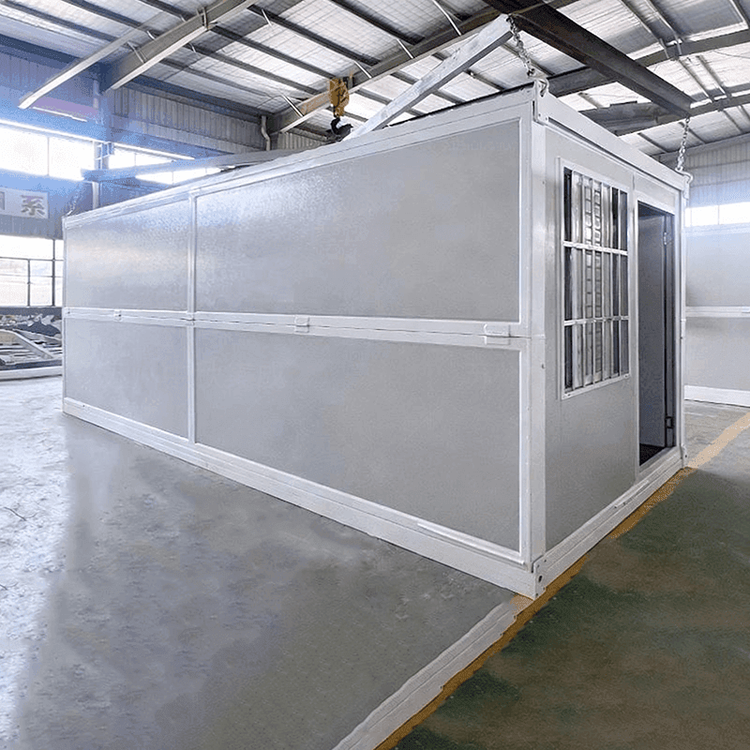
Prefabricated houses are a form of construction where building components are industrially produced and assembled on-site. They offer advantages such as shortened construction periods and reduced pollution, but also have issues like weak earthquake resistance. China's prefabricated housing technology has evolved over time, and Chinese-made prefabricated houses are now popular in overseas markets.

Main Types and Technical Coverage
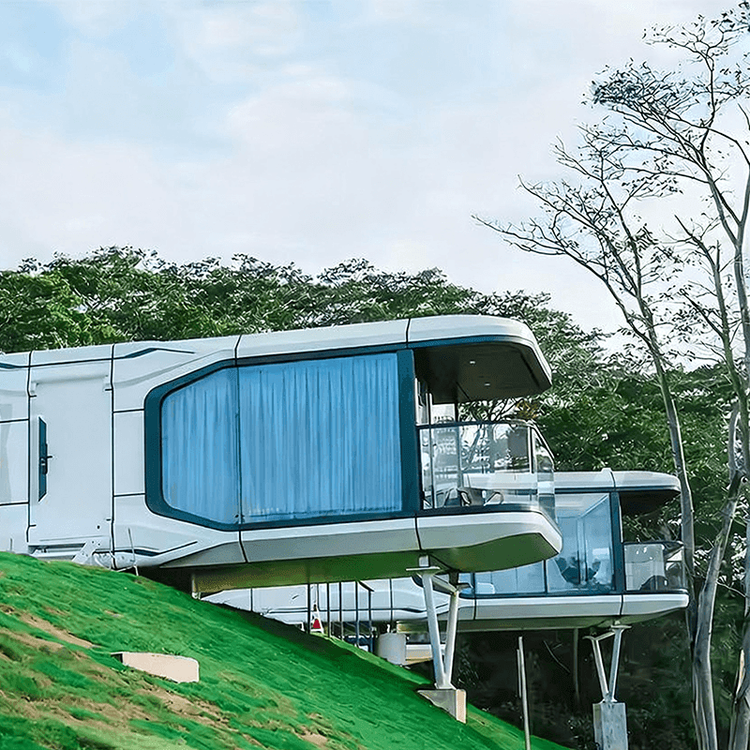
Prefabricated houses, also known as prefabricated assembled buildings, mainly include panel-assembled, box-assembled, and frame-assembled types, with modular buildings being a more integrated model. The technology covers prefabricated concrete structures and steel structures, with components including prefabricated products such as beams, slabs, walls, and columns.
Significant Advantages
- Shortened Construction Period: Using prefabricated components for assembly, the main structure can be completed in 14 days, and the construction period for prefabricated buildings is 30% shorter than traditional methods.
- Reduced Pollution: In places like Fujian Province, policy support has been used to establish industrial bases, achieving a reduction of over 70% in construction waste.
- Other Advantages: Short construction cycles, energy efficiency, environmental protection, and strong adaptability.
Development History
China's prefabricated concrete technology began in the 1950s and was initially applied to factory and residential construction. In the 1970s, driven by the policy of "industrialization, standardization, and mechanization" in construction, technical systems such as large-panel structures and box structures were formed. In the mid-1980s, development stalled due to cost and quality issues. After the 21st century, it recovered due to production efficiency and environmental advantages. Companies like Vanke Group developed prefabricated shear wall residential structural systems and applied prefabricated frame technology in projects. Prefabricated panel houses originated in the early 20th century, and most residential buildings constructed in China before 1985 used this structure. With the development of construction technology, cast-in-place concrete and prefabricated buildings have gradually replaced traditional prefabricated panel houses. Since 2022, China has implemented renovation policies, focusing on repairing and renovating prefabricated panel houses and only demolishing those that meet the criteria for dangerous buildings.
Existing Issues
Existing prefabricated panel houses generally have issues such as weak earthquake resistance, poor sound and heat insulation, and a service life of about 30-50 years.
Market Situation
Chinese-made prefabricated houses are selling well overseas. According to customs data, in the first four months of 2026, the Guangzhou Customs District exported movable houses worth 1.4 billion yuan, a year-on-year increase of 38.1%; in the same period, the Shenzhen Port exported movable houses worth 1.68 billion yuan, a year-on-year increase of 19.6%.