Prefabricated Finished Steel Structure Housing
Prefabricated finished steel structure housing is a type of prefabricated assembled building that uses a steel structure system as its load-bearing structure, with components produced industrially and assembled on-site. Its core features and technical advantages are as follows:

1. Structural System and Component Composition
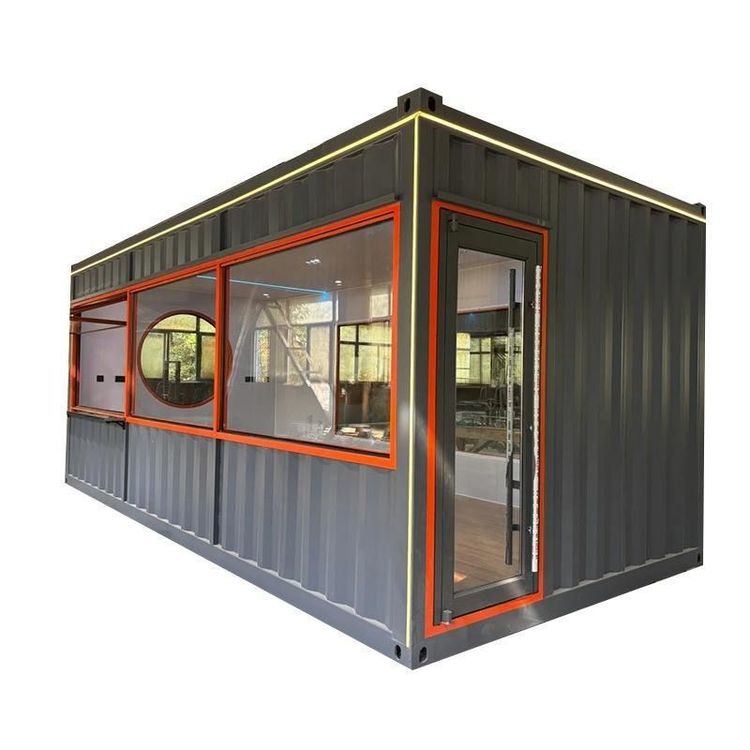
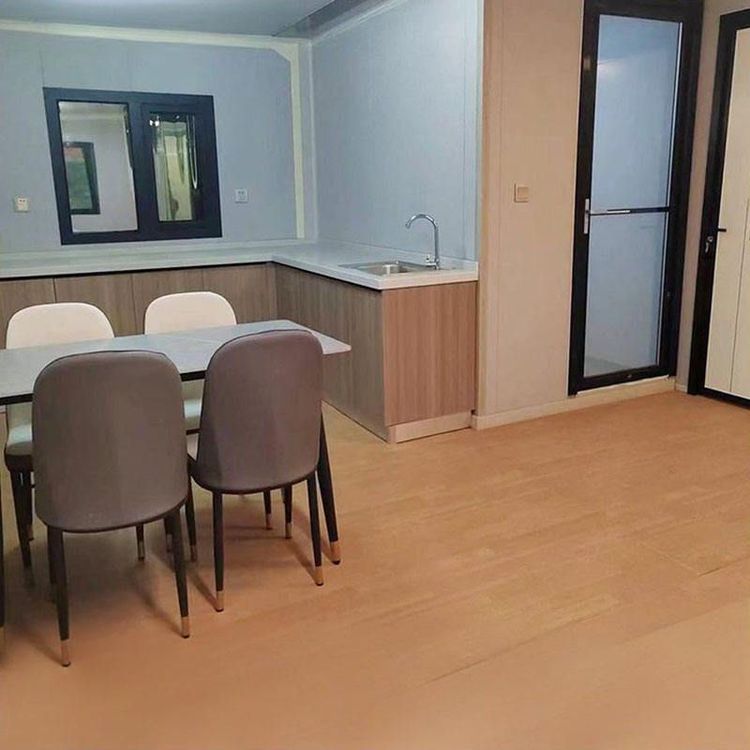
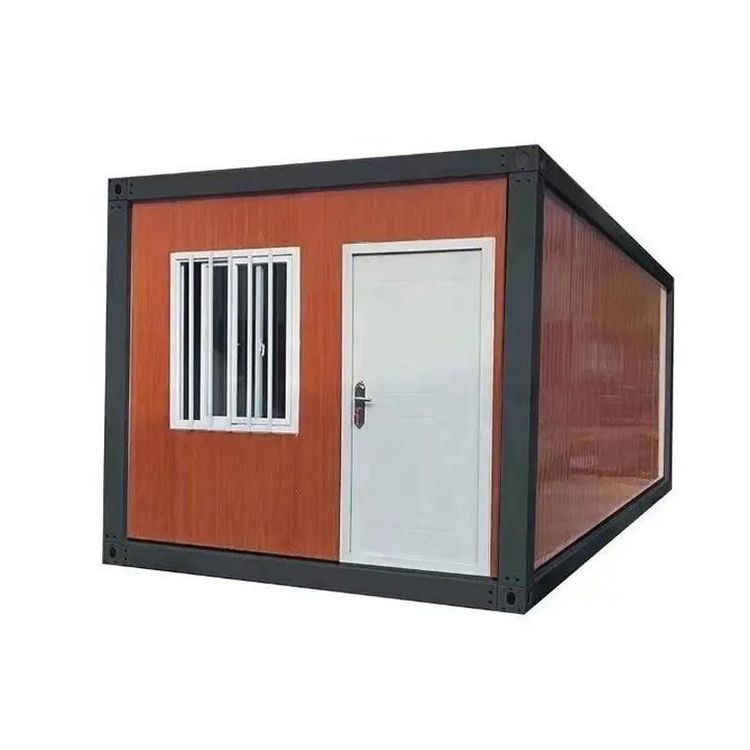
This type of building uses a steel structure system (such as steel frames or steel frame-bracing structures) as its core load-bearing structure, with components prefabricated through industrial production, covering key parts such as beams, slabs, walls, and columns. The steel structure system achieves modular integration through standardized design, such as light steel modular integrated housing and container movable houses, which can be quickly assembled to form complete building units. This industrial production model ensures component precision and quality stability while reducing on-site wet operations.
2. Technical Advantages and Performance Characteristics
- Construction Efficiency and Environmental Protection: The industrial production and on-site assembly model significantly shortens the construction period, reducing construction time by 30%-50% compared to traditional buildings. At the same time, the reduction in on-site operations leads to lower dust and noise pollution, meeting the requirements of green and low-carbon development.
- Seismic and Spatial Performance: The steel structure system has excellent ductility and energy dissipation capacity, with seismic performance superior to that of concrete structures, making it particularly suitable for earthquake-prone areas. Additionally, the small cross-sectional dimensions of steel components can increase indoor clear height, improving spatial utilization by 5%-8% compared to traditional buildings.
- Material Recycling and Flexibility: Steel can be 100% recycled and reused, aligning with the concept of a circular economy. Building layouts can be flexibly adjusted through modular combinations, supporting large-span space designs and meeting the needs of various scenarios such as commercial and residential applications.
3. Application Status and Development Trends
In China, prefabricated finished steel structure housing has been applied in projects such as Baotou Wanjun Metropolis and Hangzhou Qianjiang Century City talent-specific housing, including affordable housing and commercial housing. As of now, it accounts for about 7% of newly constructed assembled buildings, but according to plans, the target proportion of steel structure applications in new residential construction nationwide is set to increase to around 10% by 2030. Additionally, modular products such as container movable houses have achieved bulk exports, with export value in the Guangzhou Customs area reaching 1.4 billion yuan in the first four months of 2026, a year-on-year increase of 38.1%, indicating growing international demand for efficient housing solutions.
4. Typical Products and Market Expansion
Light steel modular integrated housing and container movable houses are representative products in this field, achieving rapid construction through standardized design, with assembly periods for single buildings shortened to just a few days. These products not only meet domestic demands for emergency housing and tourism resorts but also occupy a place in the international market due to their cost advantages and construction efficiency, becoming important carriers for the export of "Made in China" construction technology.