
Prefabricated Exterior Wall Panel Images
We cannot directly provide images of prefabricated exterior wall panels, but we can offer a popular science introduction to their characteristics, types, and applications.
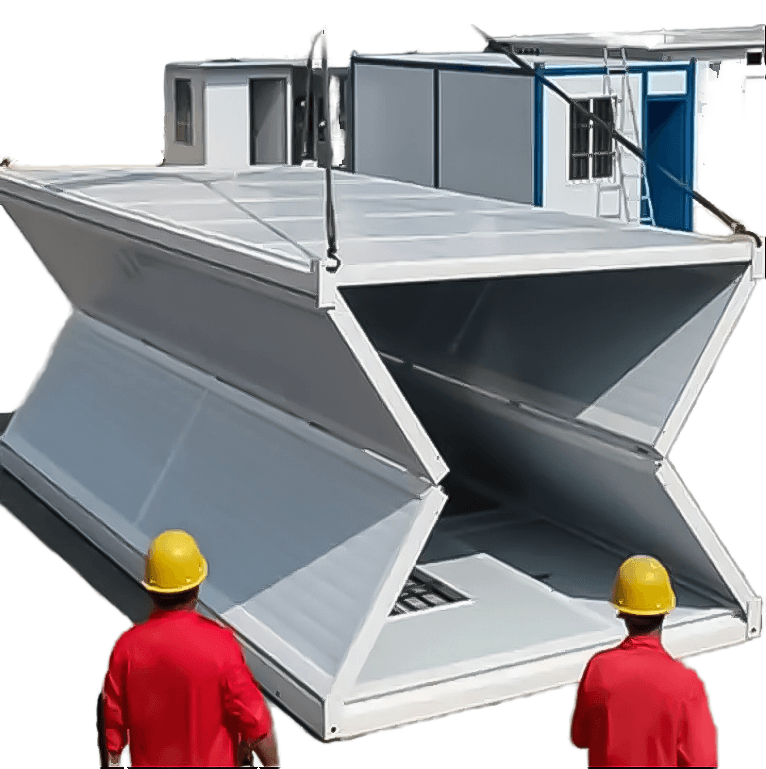
Prefabricated exterior wall panels are commonly used components in modern construction industrialization. They are produced in factories according to standardized processes and then transported to construction sites for assembly, offering advantages such as high construction efficiency, controllable quality, and energy conservation and environmental protection. Their core characteristics include:
- Material diversity: Common materials include concrete, steel structures with composite panels (such as rock wool and polystyrene boards), and wooden structures with insulation layers. For example, concrete prefabricated exterior wall panels have high strength and good durability, making them suitable for high-rise buildings; steel-structure composite panels are lightweight and have excellent thermal insulation performance, often used in low-rise residential or commercial buildings.
- Functional integration: Modern prefabricated exterior wall panels often integrate functions such as thermal insulation, sound insulation, fire resistance, and decoration. For example, the outer layer uses metal or ceramic panels for decorative effects, the inner layer is filled with rock wool or polyurethane foam to enhance thermal insulation performance, and a fire-resistant isolation zone is set in the middle to improve safety.
- Standardized connection methods: They are connected to the main structure through bolts, welding, or embedded parts to ensure installation accuracy and structural stability. Some designs adopt "dry connection" technology to reduce on-site wet operations and shorten the construction period.
Classified by structural form, prefabricated exterior wall panels can be divided into single-material panels (such as pure concrete panels) and composite panels (such as steel-concrete composite panels). Composite panels are more widely used due to their comprehensive performance advantages. For example, "sandwich panels" consist of inner and outer layers of concrete or metal panels with an intermediate insulation layer, balancing strength and energy-saving requirements.
In terms of application scenarios, prefabricated exterior wall panels are widely used in residential buildings, office buildings, schools, and other structures. In prefabricated buildings, they can account for more than 60% of the exterior walls, significantly improving construction speed and reducing labor costs. For example, a high-rise residential project using prefabricated concrete exterior wall panels shortened the exterior wall construction period from the traditional two months to three weeks, with a wall flatness error controlled within 2mm.
If you need specific images, it is recommended to search for keywords such as "prefabricated facade panel" or "prefabricated exterior wall panel" on construction industry websites (such as ArchDaily and the official website of the China Institute of Building Standard Design), product catalogs of prefabricated component manufacturers, or academic databases (such as CNKI and ScienceDirect) to find physical photos and engineering cases of different materials and structures.



