
Prefabricated Container House Case
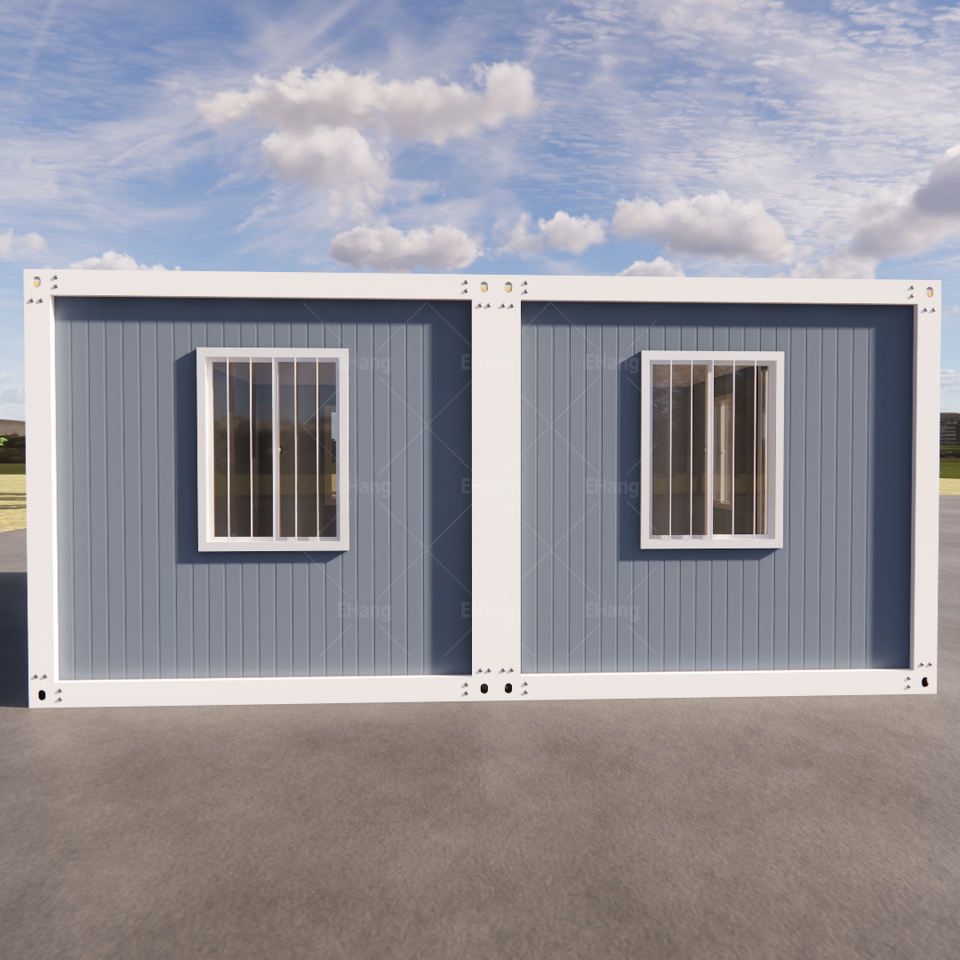
Prefabricated container houses are constructed using a modular approach, transforming containers into buildings with residential and office functions. They are characterized by flexibility, portability, cost control, and environmental friendliness, and have been widely applied in temporary buildings and overseas projects.
I. Construction Method
Prefabricated container houses use containers as basic modules, with most construction processes, including the main structure, plumbing, electrical wiring, and interior decoration, completed in factories. This includes waterproofing for bathrooms, installation of bathroom fixtures, cabinets, and wardrobes. Afterward, they are transported to the project site and quickly assembled into complete buildings through splicing and assembly, much like building with “blocks”. This construction model changes the traditional serial construction method of laying bricks one by one on-site, adopting a parallel operation mode where multiple processes are carried out simultaneously, significantly shortening the construction period. For example, the Intelligent Construction Industrial Park of China Construction Hailong Technology Co., Ltd. can deliver 20,000 to 30,000 modules annually, reducing the construction period by more than 60% compared to traditional buildings.
II. Performance Advantages
- Strong Structural Stability: Mainstream products use a fully steel structural frame, providing excellent wind and earthquake resistance. For instance, the packing boxes from Suzhou Zhongnan Steel Structure Co., Ltd. have a tested wind resistance rating of Level 12 and an earthquake resistance rating of Level 8, with a frame deformation rate of only 0.18%, well below the industry's qualified threshold.
- Environmentally Friendly: Factory production reduces dust, noise, and other pollution from on-site construction, while also achieving high material utilization rates and reducing construction waste.
- Reusability: Container houses can be disassembled and relocated multiple times, making them suitable for temporary or frequently moved scenarios and reducing long-term usage costs.
III. Application Scenarios
Prefabricated container houses have been widely used in temporary offices, accommodations, event support facilities, engineering camps, commercial pop-ups, and government and enterprise temporary buildings. Additionally, as China's modular buildings go global, their applications in overseas projects are increasing, such as remote mine camps in Australia, fully furnished apartments in the Philippines, and residential buildings in the UAE.



